
Last updated September 23, 2026
Free visual inspection and a written scope of work before any mitigation begins - photos, moisture readings, and drying logs go in your claim file
The scope we write is the scope we bill. Anything new gets shown to you, in writing, before we touch it.




 Before
 After
After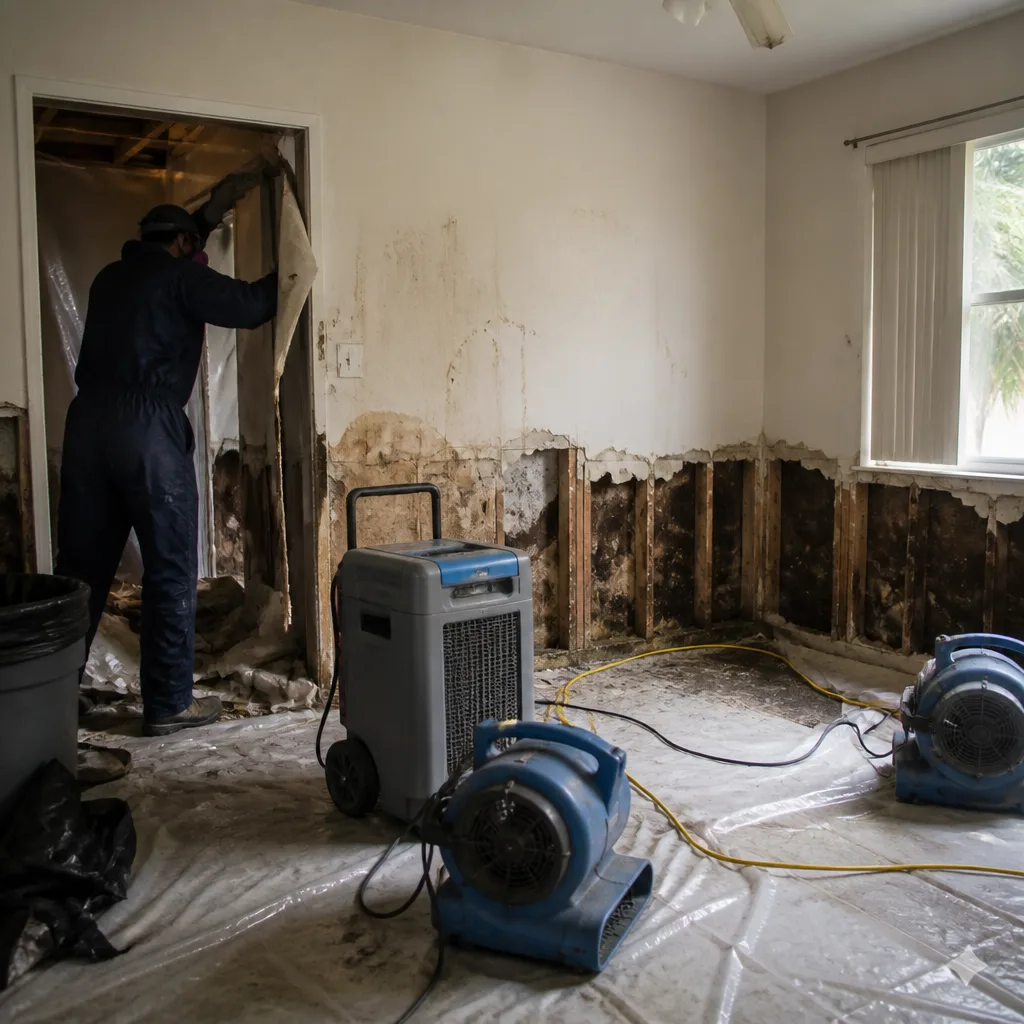 Before
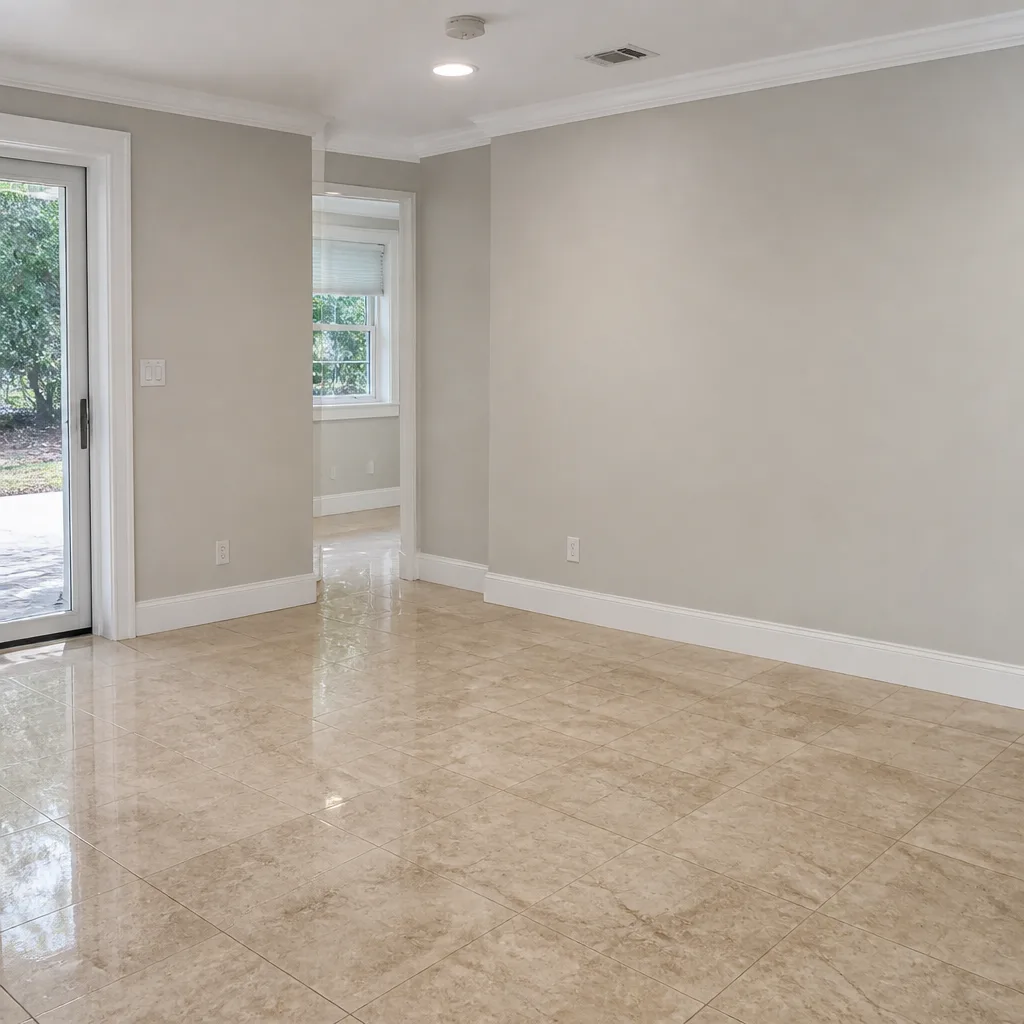 After
After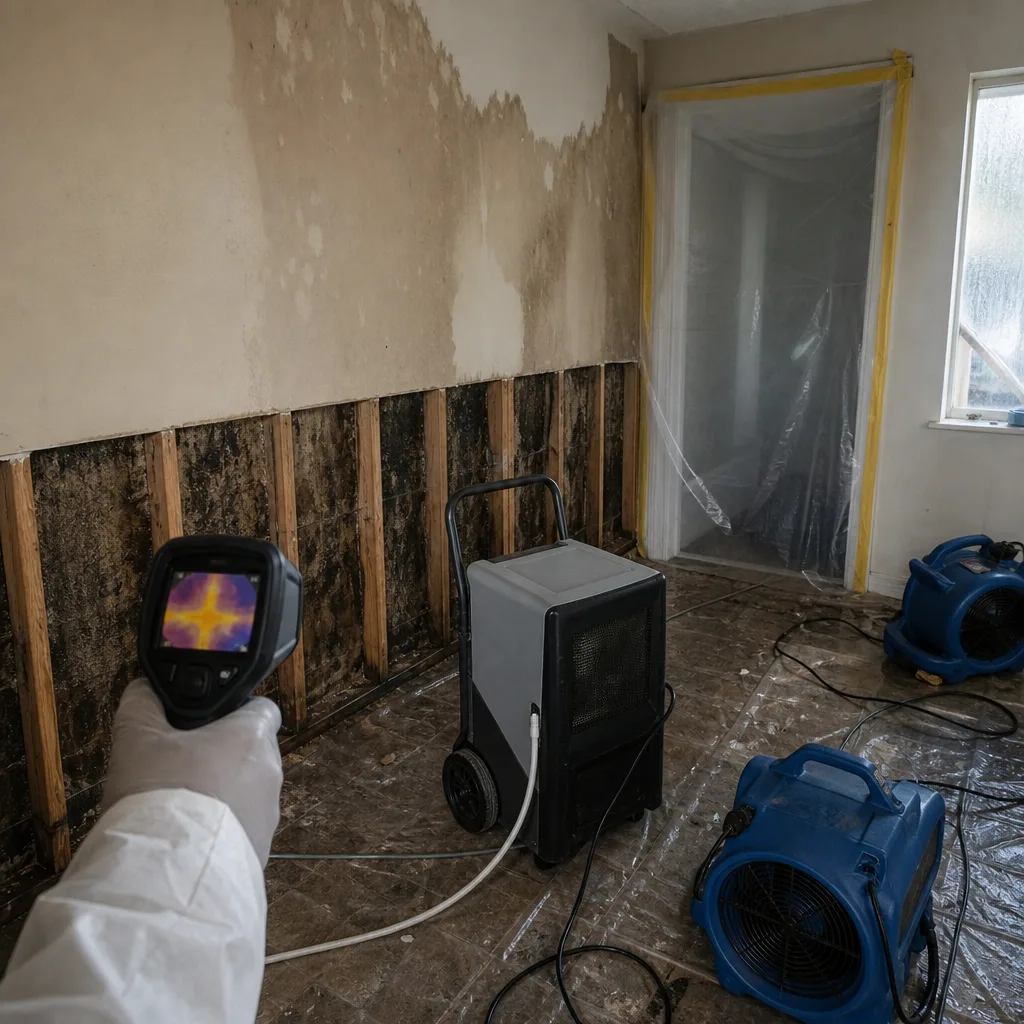 Before
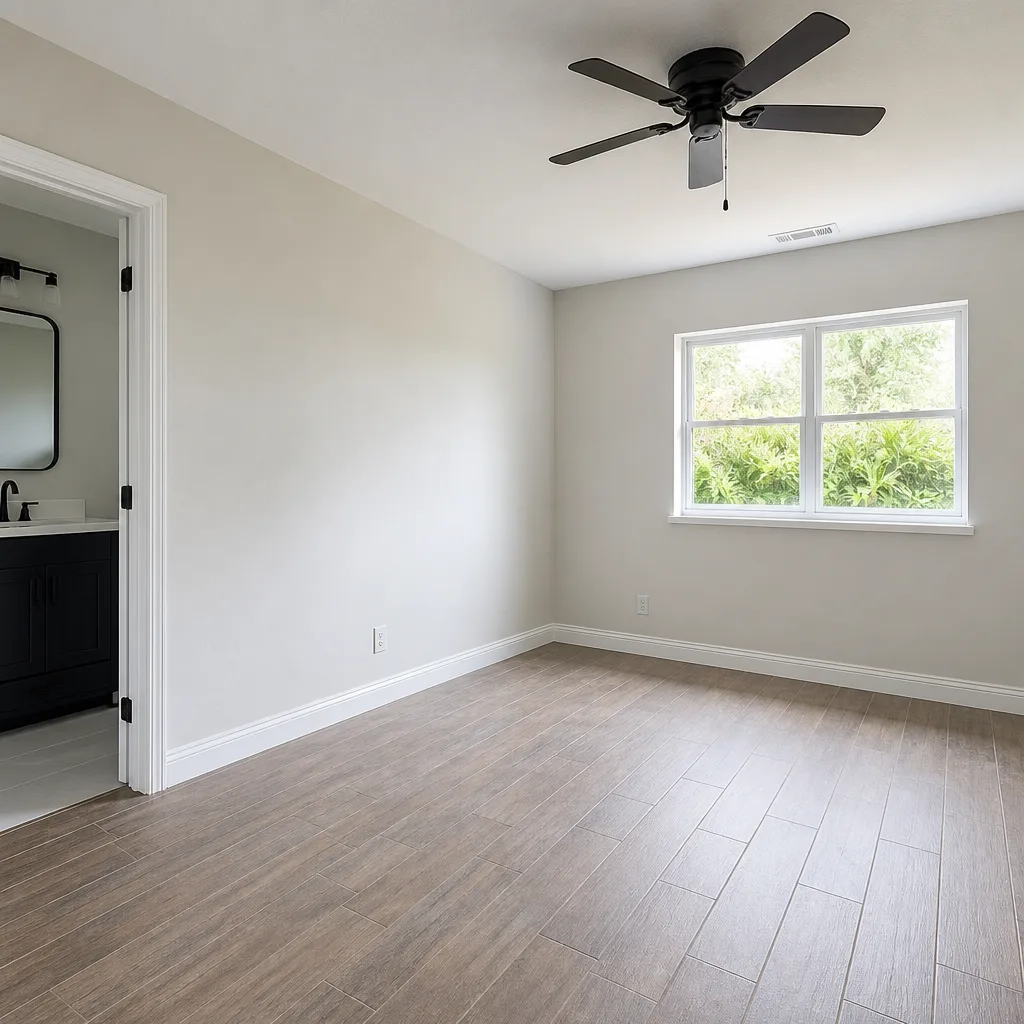 After
AfterWater Damage Restoration Maintenance Checklist for Boca Raton Homeowners
A moisture reading above 16% in a wood framing member is the number that separates a routine inspection from an active mold risk. Most homeowner checklists never mention it. They’ll tell you to look under sinks and check your water heater, but they won’t give you the threshold that turns a casual walk-through into documented evidence. In Boca Raton, where humidity sits above 70% for eight months of the year and our housing stock includes everything from 1980s concrete block ranch homes to newer coastal construction, that distinction matters. This checklist gives you the specific numbers to record, the four plumbing failure points that dominate our local claims, and the documentation format that can shorten an insurance review by proving your loss was sudden and accidental, not neglect.
Quick Answer
Our Water Damage Restoration services team recommends a maintenance checklist for Boca Raton homeowners that includes twice-yearly moisture readings of key structural materials with recorded thresholds, quarterly inspection of four high-failure plumbing points, and a dated photo log stored in a format usable for insurance claims. The ideal schedule anchors to Florida’s hurricane season: pre-season prep in April-May and post-season inspection in November, with additional checks after any tropical weather event.
Table of Contents
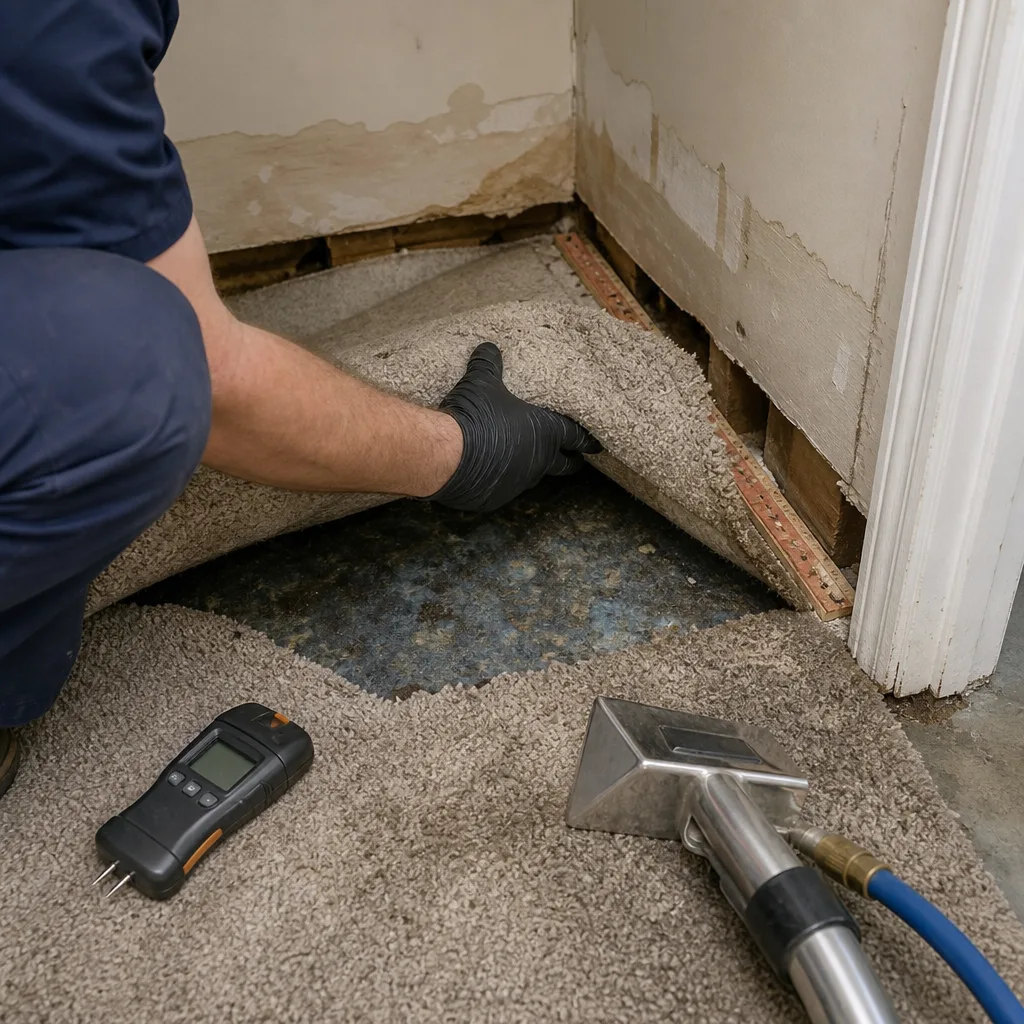
- Why Numbers Matter: Moisture Thresholds by Material
- The Four Plumbing Failure Points in Boca Raton Homes
- Your Inspection Schedule: Anchored to Hurricane Season
- The Documentation Format That Insurance Adjusters Accept
- Tools You Need and What They Cost
- Room-by-Room Checklist with Specific Readings
- Common Mistakes to Avoid
- When to Call a Professional
- Frequently Asked Questions
 Before
 After
AfterWhy Numbers Matter: Moisture Thresholds by Material
Every material in your home has a moisture content percentage that signals the boundary between normal and problematic. Without knowing these numbers, you’re guessing. We’ve restored over 12,000 homes since 2011, and the ones with documented maintenance histories settle faster, with fewer coverage disputes. See more guides & resources on building your log.
Here are the thresholds we use on every Water Damage Restoration in Boca Raton job, and what you should record twice yearly:
- Drywall (paper-faced gypsum): Normal range 5-12%. At 15%, the paper facing becomes a food source for mold. At 20%, structural integrity degrades. Record any reading above 12%.
- Wood framing (pine, fir, engineered lumber): Normal range 9-14%. The critical threshold is 16% - this is where fungal growth accelerates in Florida’s climate. At 20%, wood rot organisms become active. Record any reading above 14%.
- Concrete block (CMU): Normal range 3-5% in interior walls. Exterior walls in Boca Raton may read 8-12% seasonally due to driving rain. Record any interior block wall above 8%, or any reading that jumps more than 3% from your prior record.
- Subflooring (OSB, plywood): Normal range 8-12%. At 16%, delamination begins. At 20%, replacement is likely. Record any reading above 12%.
These numbers shift with the season. A January reading of 11% in your wood framing might be normal; that same reading in July, after weeks of afternoon thunderstorms and 85% humidity, warrants closer inspection. The value isn’t in any single reading - it’s in the trend line you build over years.
We document to IICRC standards on every job because insurers recognize the methodology. Your home maintenance log should follow the same principle: comparable readings, same locations, same device, recorded with enough detail that a third party can verify the pattern.
The Four Plumbing Failure Points in Boca Raton Homes
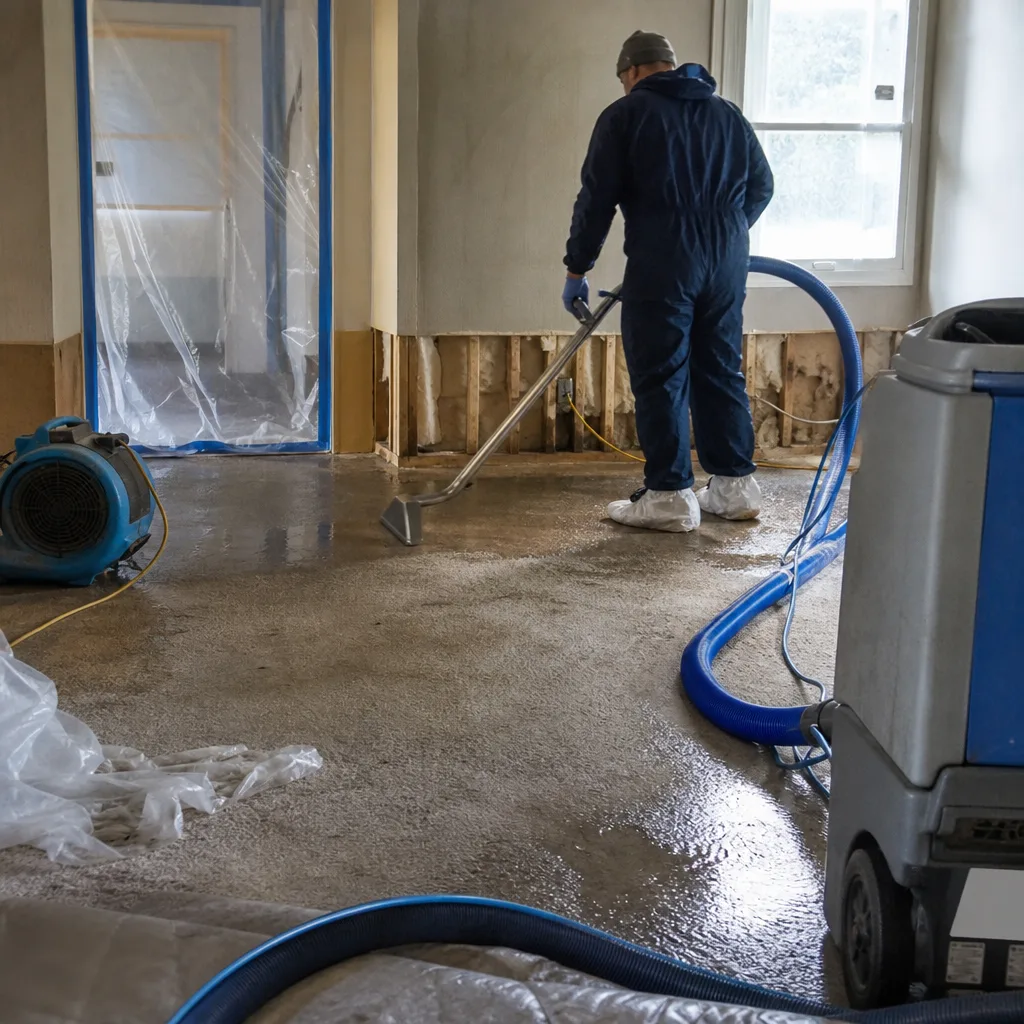
Boca Raton’s housing stock carries specific vulnerabilities. Homes built between 1985 and 2005, common in neighborhoods like Boca Del Mar, Sandalfoot Cove, and the original Country Club district, often have polybutylene supply lines or aging copper with pinhole corrosion. Newer construction in West Boca and near the Turnpike faces different risks: higher water pressure from municipal upgrades and more complex irrigation systems.
These four failure points generate the majority of water damage claims we see:
- Supply line fittings behind toilets and vanities: Braided stainless steel lines fail at the compression fitting, typically after 7-10 years. The leak is slow, hidden, and often discovered only when the vanity base swells. Inspect quarterly: shut the angle stop, disconnect the line (with a bucket), and check for corrosion, cracking, or mineral buildup at the ferrule. Replace any line showing wear; they’re $12-18 at any hardware store.
- Water heater drain pans and T&P relief valves: Florida’s hard water accelerates sediment buildup. The temperature-and-pressure relief valve should discharge when lifted; if it doesn’t, or if it weeps continuously, the tank is over-pressurized. Inspect every six months. The drain pan beneath should be dry; any standing water means the tank or its connections are failing. In Boca Raton, water heaters in garage installations are particularly vulnerable to rust-through from condensate.
- AC condensate lines: Your air conditioner removes 5-20 gallons of moisture daily during Boca Raton’s summer months. The primary drain line runs to a plumbing stack; the secondary (overflow) line terminates outside, often near a window. If you see water dripping from that secondary line, your primary is blocked and water is backing up into the handler or pan. Inspect monthly during cooling season: the primary line should show no moisture at the secondary termination point. Pour a cup of white vinegar through the clean-out every three months to prevent algae buildup.
- Irrigation backflow preventers and zone valves: Boca Raton’s irrigation systems run at high pressure, and backflow preventers fail catastrophically when they do - often flooding the yard, then the garage or interior through the slab. Inspect the backflow assembly monthly during active season (March-November): check for leaks at the test cocks, and verify the zone valves close completely without weeping. The February-March startup is when we see the most failures, as homeowners pressurize systems that have sat idle for months.
Each of these inspections should produce a dated note: what you checked, what you found, and any action taken. A photo of the water heater T&P valve discharge, timestamped, is evidence that you maintained the appliance if it later fails and floods.
Your Inspection Schedule: Anchored to Hurricane Season
Florida’s hurricane season runs June 1 through November 30. The preparation window, April through May, is when you should complete your pre-season inspection. The post-season window, November through December, catches any damage that developed during the active months.
This schedule aligns with how water actually behaves in Boca Raton homes:
April-May: Pre-Season Inspection
- Complete full moisture readings of all structural materials (record in your log)
- Inspect and test all four plumbing failure points
- Clear AC condensate lines and test drainage
- Inspect roof penetrations, flashing, and sealants (or hire a roofer - document the report)
- Test sump pumps and battery backups if installed
- Verify hurricane shutter or panel storage and hardware function
- Document exterior grade and drainage: water should flow away from foundation
June-August: Active Monitoring
- Monthly AC condensate line checks
- Post-storm walk-through after any tropical weather: check attic, garage, and lowest floor for new moisture or staining
- Irrigation system checks monthly
September-November: Peak Vigilance
- Continue monthly checks
- After any named storm, document exterior condition before and after any temporary repairs (tarps, etc.)
November-December: Post-Season Inspection
- Repeat full moisture readings at all prior locations
- Compare to April-May baseline; investigate any increase over 3%
- Inspect all four plumbing failure points
- Service irrigation system for winter (Boca Raton’s brief dormancy period)
- Review and organize all documentation from the season
The November comparison is where you catch slow leaks that developed over summer. A bathroom vanity that read 8% in May and 14% in November didn’t get there from one event. That’s the pattern that separates sudden-and-accidental coverage from gradual damage exclusion.
The Documentation Format That Insurance Adjusters Accept
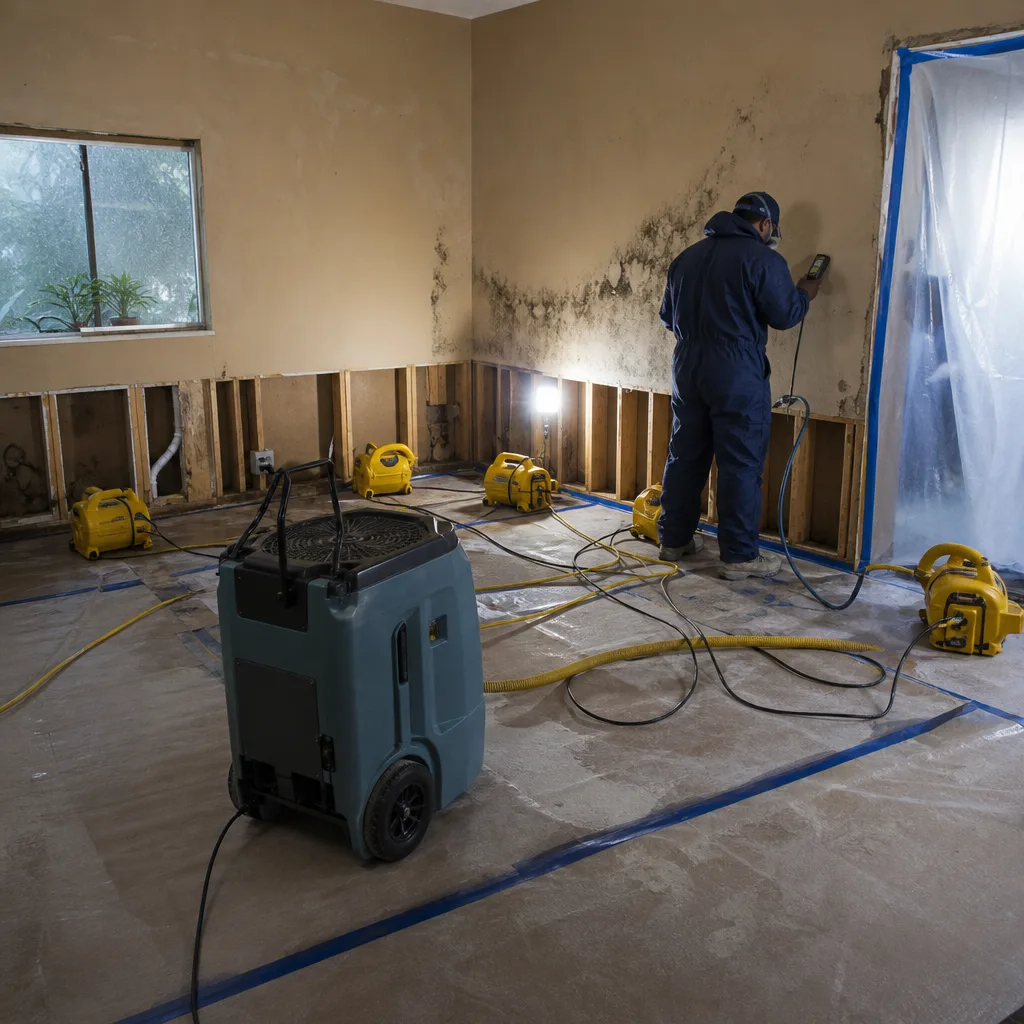
We’ve reviewed thousands of claims as part of our work. The homeowners who get full, fast settlements have one thing in common: their documentation is organized, dated, and specific enough that an adjuster can verify it without calling them.
Your maintenance log needs these fields for every entry:
- Date and time: Not just “November 2024” - “November 17, 2024, 10:30 AM”
- Location: Room, wall orientation, and specific feature (“Master bath, north wall, vanity supply line fitting”)
- Reading or finding: The number from your moisture meter, or a clear description (“T&P valve discharges when lifted, drains completely, no weeping”)
- Device used: “Protimeter Surveymaster, pin mode” or “General Tools MMH800”
- Photo file name: Cross-reference to your photo storage, e.g., “2024-11-17_MasterBath_TandP_001.jpg”
- Prior comparison: “May 2024 reading: 11.2%. Current: 11.8%. Within normal variance.”
- Action taken: “None required” or “Replaced supply line, disposed of old line, photo of new installation attached.”
Store this in a cloud folder with subfolders by year and room. The photo file naming convention matters: YYYY-MM-DD_Location_Description_Sequence. This lets you sort chronologically and search by location.
Why this format? Because when a slow leak behind your kitchen cabinets finally blows out the subfloor, and your insurer questions whether the damage was gradual, you can produce a record showing quarterly inspections with normal readings, then a single post-storm spike. That’s the documentation that turns a denied claim into a paid one.
At DryMark Restoration Boca Raton home, we produce a photo record on every visit as standard - not as an upsell. Your maintenance log should meet the same standard.
Tools You Need and What They Cost
You don’t need professional-grade equipment to maintain a valid log. You need consistency and the right thresholds. Here’s what we recommend:
| Tool | Purpose | Price Range | What to Look For |
|---|---|---|---|
| Pin-type moisture meter | Wood framing, subflooring, drywall | $50-$150 | Species correction settings, 6-30% range, 0.1% resolution |
| Pinless moisture meter | Concrete block, tile, non-destructive screening | $80-$200 | 3/4″ penetration depth, relative scale for masonry |
| Infrared thermometer (non-contact) | Spot-checking for temperature anomalies that indicate moisture | $25-$60 | -20°F to 932°F range, laser pointer |
| Digital humidity monitor | Tracking ambient conditions in crawl spaces, attics, garages | $15-$40 | Min/max memory, 1% RH accuracy |
| Inspection mirror and flashlight | Visual access to confined spaces | $20-$35 | Telescoping handle, LED light |
The pin-type meter is your primary tool. We use professional units from manufacturers whose equipment we also deploy on jobs, but a $75 General Tools or Calculated Industries model is sufficient for homeowner use if you use it consistently. The key is taking readings at the same depth, same location, same time of day when possible.
For concrete block, understand that pinless meters read differently than pin-type. They’re measuring electromagnetic properties, not direct resistance. Use the relative scale, establish your baseline, and track changes. A jump from 4% to 9% on the same block, same meter, same settings, is significant even if the absolute number seems low.
Room-by-Room Checklist with Specific Readings
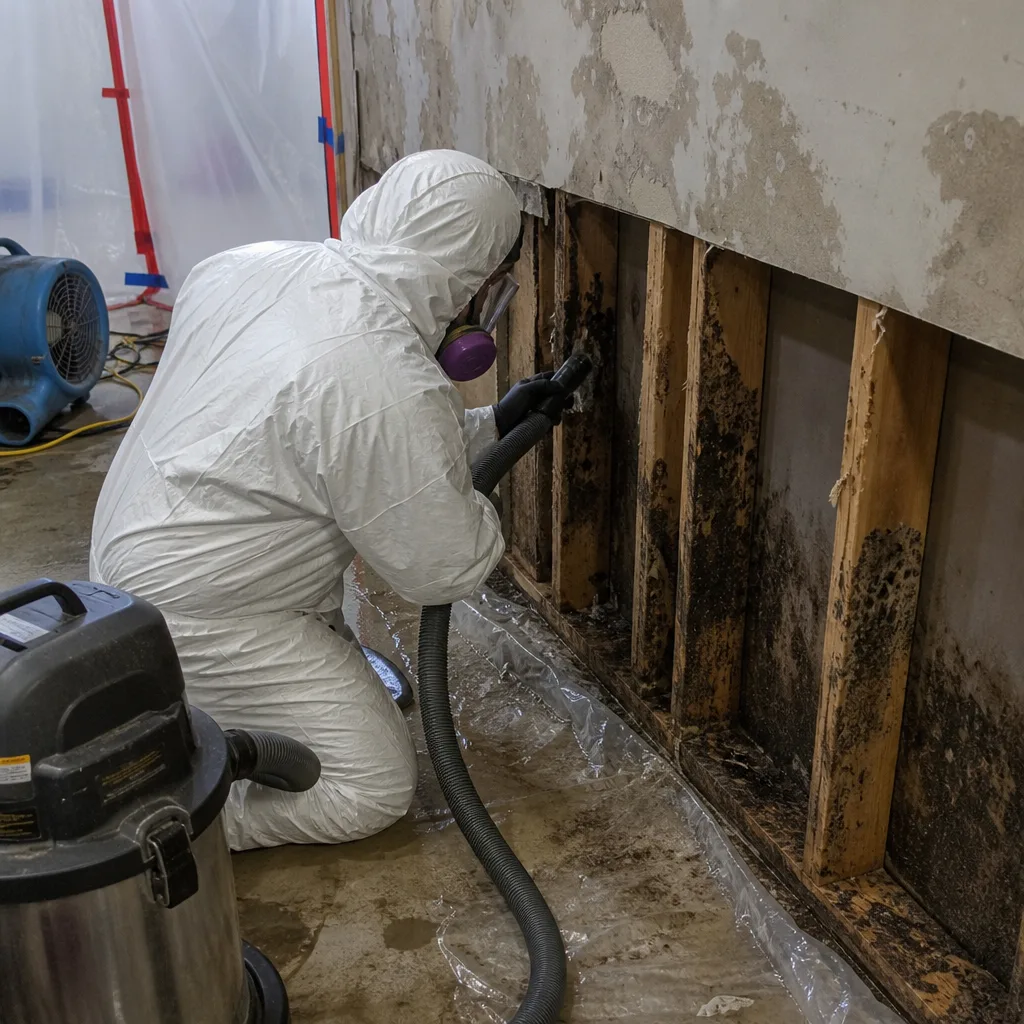
Use this as your twice-yearly inspection protocol. Record every reading in your log format.
Kitchen
- Dishwasher: moisture reading of cabinet floor beneath (pinless), supply line fitting condition
- Refrigerator ice maker: supply line, valve, floor beneath
- Sink cabinet: moisture reading of base, supply line fittings, trap condition
- Range hood: duct connection, exterior vent flap
Bathrooms (each)
- Toilet: supply line fitting, flange area (if accessible), floor around base
- Vanity: moisture reading of cabinet base, supply lines, drain connection
- Tub/shower: grout condition, caulk at edges, access panel if present
- Exhaust fan: operation, duct connection, exterior vent
Laundry
- Washer: supply hoses (replace every 5 years regardless of appearance), drain connection, pan if present
- Dryer: vent duct condition, exterior hood
- Floor drain: flow test
Water Heater (garage, closet, or attic)
- Pan: dry or wet, drain line clear
- T&P valve: lift test, discharge
- Connections: corrosion, mineral buildup
- Surrounding floor: moisture reading at 12″ intervals
AC Handler and Condensate
- Primary drain line: flow at clean-out
- Secondary/overflow: dry at termination
- Drain pan: dry, no rust-through
- Surrounding platform: moisture reading
Attic
- Roof deck underside: moisture reading at multiple points, staining
- Penetrations: plumbing vents, flues, chimney - sealant condition
- Insulation: dry, uncompressed, no staining
- Ventilation: soffit and ridge vents unobstructed
Garage
- Slab: moisture reading at perimeter, any efflorescence or staining
- Water heater area: as above
- Washer/dryer if present: as above
- Overhead door: seal condition, track drainage
Exterior
- Irrigation: backflow preventer, zone valves, visible leaks
- Hose bibs: operation, vacuum breaker
- Grade: water flows away from foundation (6″ drop in 10′ minimum)
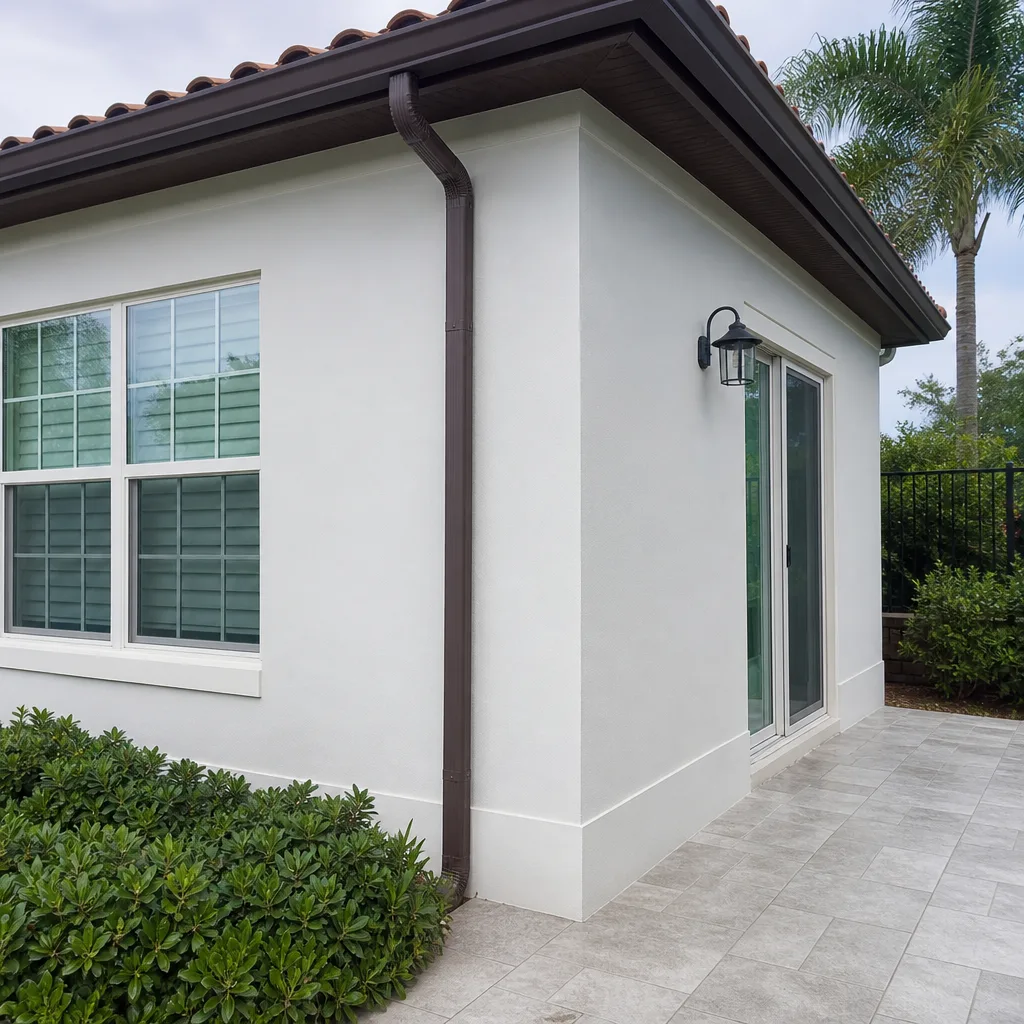
- Downspouts: discharge 6’+ from foundation, clear
In Boca Raton’s coastal areas, add salt-air corrosion inspection to any metal fittings quarterly. The chloride exposure accelerates galvanic corrosion at dissimilar metal connections - brass-to-copper, copper-to-steel. Green or white deposits at these junctions predict failure.
Common Mistakes to Avoid
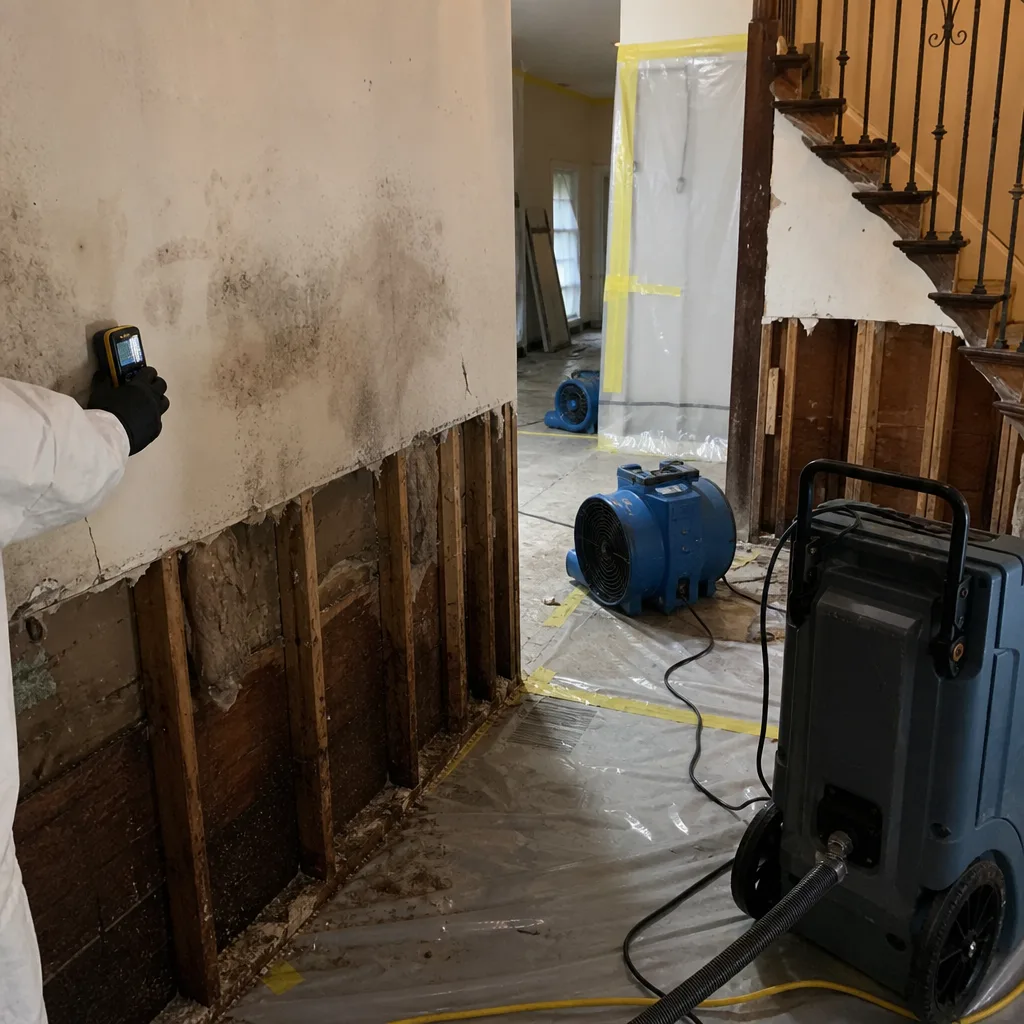
- Relying on visual inspection alone. By the time you see staining on drywall, moisture content behind it has typically exceeded 20% for weeks. The meter catches what your eyes miss.
- Taking one reading and calling it done. Moisture varies by depth and location. Take three readings in a suspect area and average them. A single spike against two normal readings suggests a surface anomaly; three elevated readings mean investigation.
- Ignoring the April-May window because “it’s not hurricane season yet.” This is when you establish your baseline. Without it, your November comparison is meaningless. We’ve seen homeowners discover active leaks in May that would have destroyed ceilings by August.
- Storing photos on your phone without backup or naming. When you need them for a claim, that phone may be the item that was damaged. Use automatic cloud sync and the naming convention.
- Assuming new construction doesn’t need inspection. Some of our most expensive Water Damage Restoration in Boca Raton jobs have been in homes under five years old, where improper flashing or a missing condensate trap passed inspection but failed in the first storm season.
- Documenting “everything looks fine” without specifics. “Fine” isn’t evidence. “T&P valve lifted, discharged, sealed; 11.2% moisture at water heater platform; photo 2024-05-03_WH_001.jpg” is evidence.
- Waiting for a problem to call a professional. If your log shows a trending increase but no active leak, that’s when a thermal imaging inspection pays for itself. We offer free second opinions on any competitor’s written estimate - bring us your log and we’ll tell you if their scope matches your findings.
When to Call a Professional
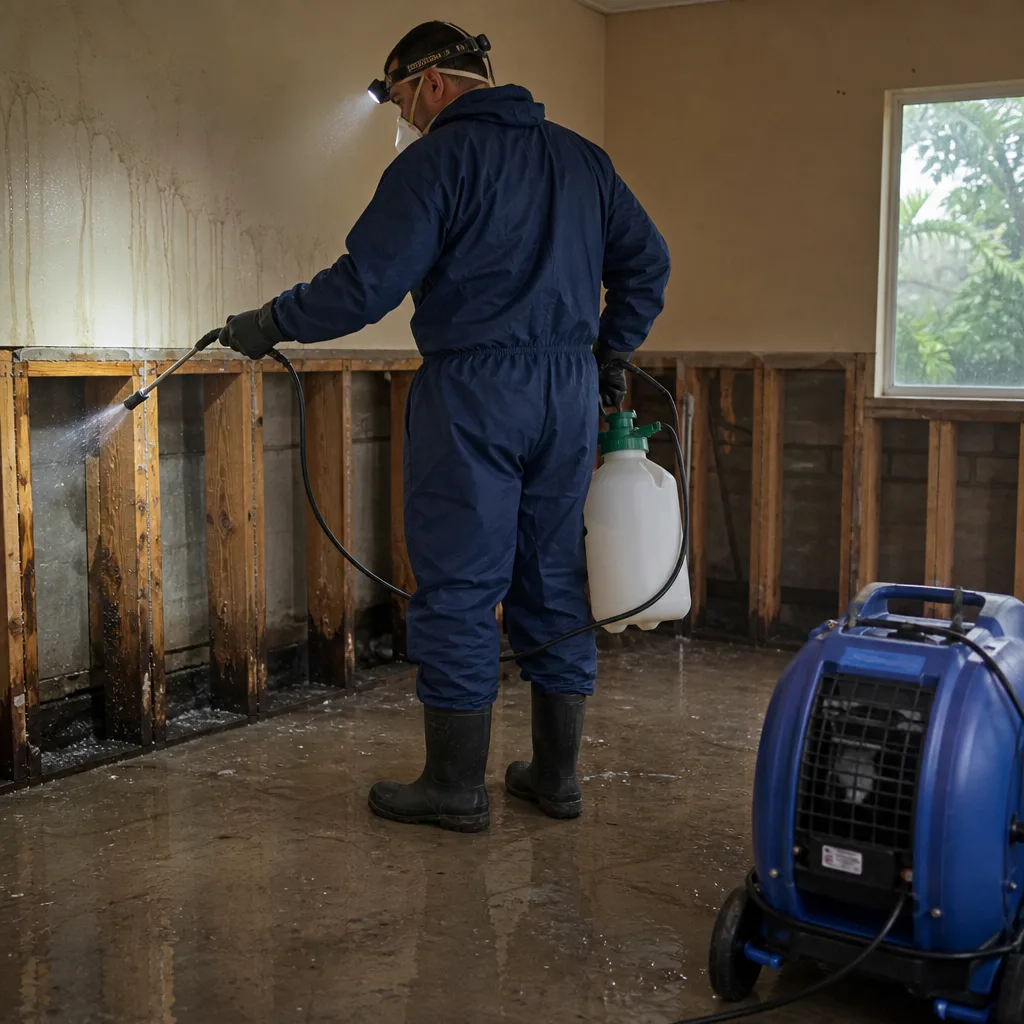
Call for professional assessment when: your moisture readings exceed the thresholds in this guide and you cannot identify the source within 24 hours; you find active dripping, spraying, or standing water; you smell mustiness but cannot locate moisture (this often indicates hidden growth); your post-storm inspection reveals any new staining or swelling; or your documentation shows a 3%+ increase from prior readings with no explanatory event.
At DryMark Restoration Boca Raton, we provide written prices before any work begins, every time - Haven Standard, Clause 1. For Damage Restoration Cost Breakdown: The Boca Raton Homeowner’s Reference for 2026 details, see our guide. Our assessments include documented moisture readings, thermal imaging, and a written scope with photo evidence. If you’ve received another company’s estimate, we’ll review it at no charge. Call (754) 247-1426 for a free estimate in Boca Raton.
Frequently Asked Questions
Most reputable restoration companies in Boca Raton charge $150-$350 for a full moisture assessment with thermal imaging and written findings. At DryMark Restoration Boca Raton, we apply this fee toward any remediation work if you proceed. Call (754) 247-1426 for exact pricing - estimates are free.
Coverage depends on whether the damage is sudden and accidental or gradual. Your maintenance log is the evidence that distinguishes the two. If you can show normal readings followed by a sudden spike after a storm or plumbing failure, coverage is more likely. If your log shows months of ignored elevated readings, insurers may deny as gradual damage. Document consistently, and the log works in your favor.
In Florida’s humidity, drywall can wick moisture 12-24 inches horizontally within 48 hours. Mold can become visible on organic materials in 72-96 hours at temperatures above 75°F, which describes most Boca Raton homes for most of the year. This is why we maintain live phone coverage 24 hours a day, 7 days a week - no voicemail while water is still moving.
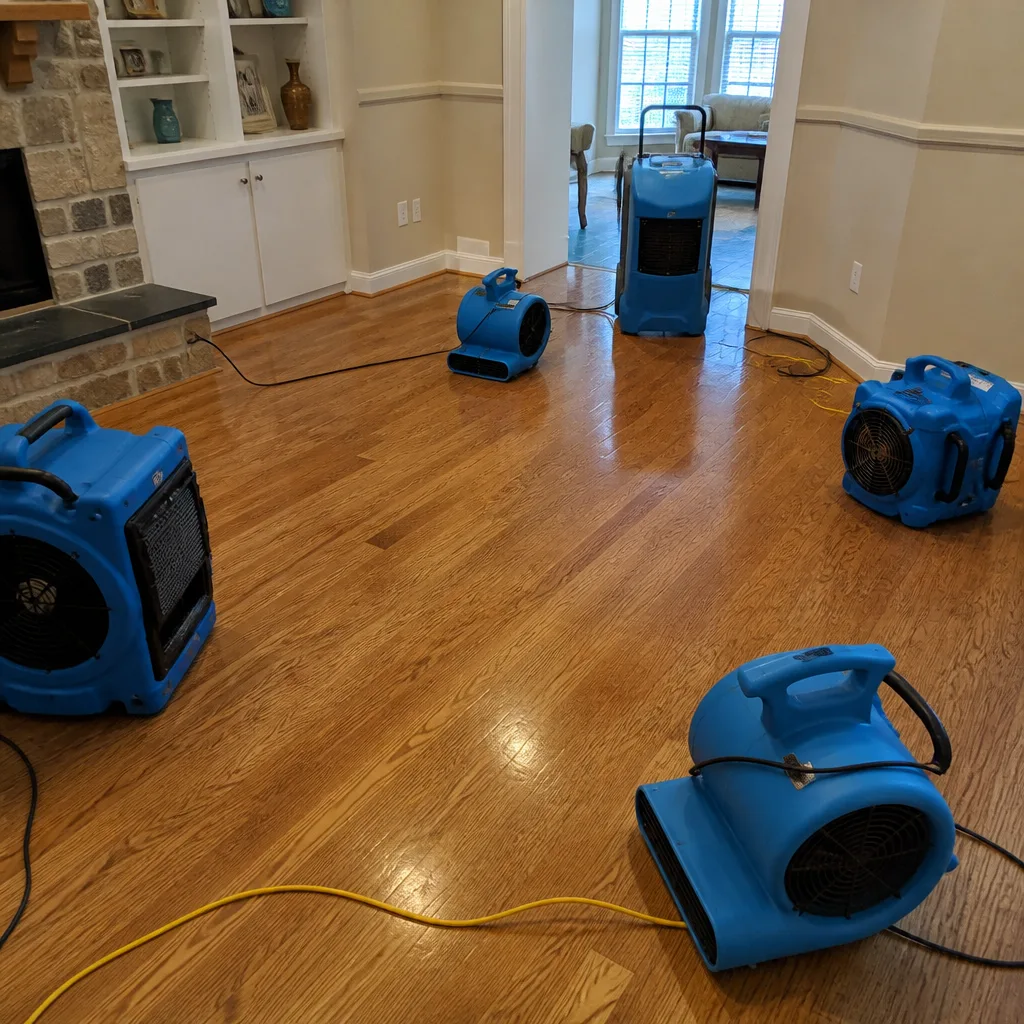
Household fans move air but don’t control humidity or create the vapor pressure differential needed to pull moisture from within materials. Professional drying uses psychrometric calculation - measuring temperature, relative humidity, and vapor pressure to determine exactly how much dehumidification and air movement is required. For minor surface moisture on non-porous materials, fans may suffice. For anything affecting drywall, wood, or subflooring, professional-grade equipment from manufacturers like XPOWER, B-Air, and Injectidry, sized to the space and monitored with daily readings, prevents secondary damage.
Yes, with modifications. Your inspection is limited to your unit’s interior and any exclusive-use elements. Common elements - building envelope, roof, main plumbing stacks - are the association’s responsibility, but document any signs of failure and notify the association in writing with photos. Your maintenance log should include copies of those notifications. If association neglect contributes to your damage, that documentation becomes evidence in any dispute.
Investigate immediately. Wind-driven rain enters through soffit vents, ridge gaps, and compromised sealants. The moisture may be in your attic insulation or wall cavities, invisible from living spaces. A thermal imaging inspection locates the intrusion point. Document the spike, the storm date, and any temporary repairs you make. This is exactly the sudden-and-accidental pattern that insurers cover - if you can prove it with dated readings.
Mold requires moisture, organic material, and time. Your log proves you didn’t provide the time through neglect. If Mold Remediation in Boca Raton becomes necessary, a documented history of normal moisture readings followed by a specific event - storm, plumbing failure, AC malfunction - supports your claim that the growth resulted from a covered loss, not maintenance failure. We document every Mold Remediation in Boca Raton job to IICRC standards for this reason.
The Bottom Line
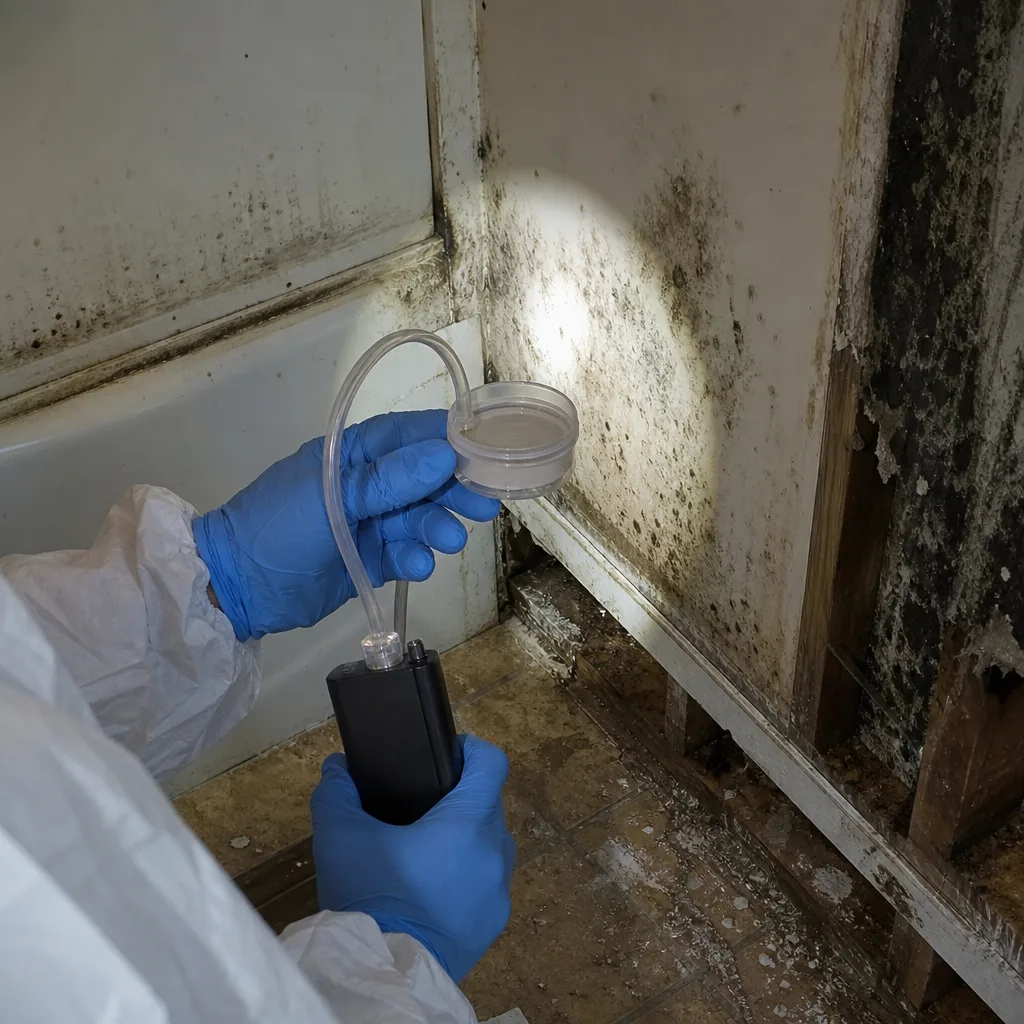
A water damage maintenance checklist only protects you if it produces evidence. The moisture thresholds, inspection schedule, and documentation format in The Complete Guide to Damage Restoration in Boca Raton give homeowners the specific numbers and processes that turn routine checks into claim-ready records. Anchor your schedule to hurricane season, record actual readings with actual devices, and store your findings where you can produce them when needed. The 16% threshold in wood framing, the quarterly inspection of supply line fittings, and the dated photo with standardized file names - these are the details that separate prepared homeowners from those who discover too late that their insurance won’t cover gradual damage. Start your log this April. Your future adjuster will recognize the effort.
Written by Alicia Brennan, Owner at DryMark Restoration Boca Raton, serving Boca Raton since 2011.