
Last updated September 23, 2026
Free visual inspection and a written scope of work before any mitigation begins - photos, moisture readings, and drying logs go in your claim file
The scope we write is the scope we bill. Anything new gets shown to you, in writing, before we touch it.
 Before
 After
After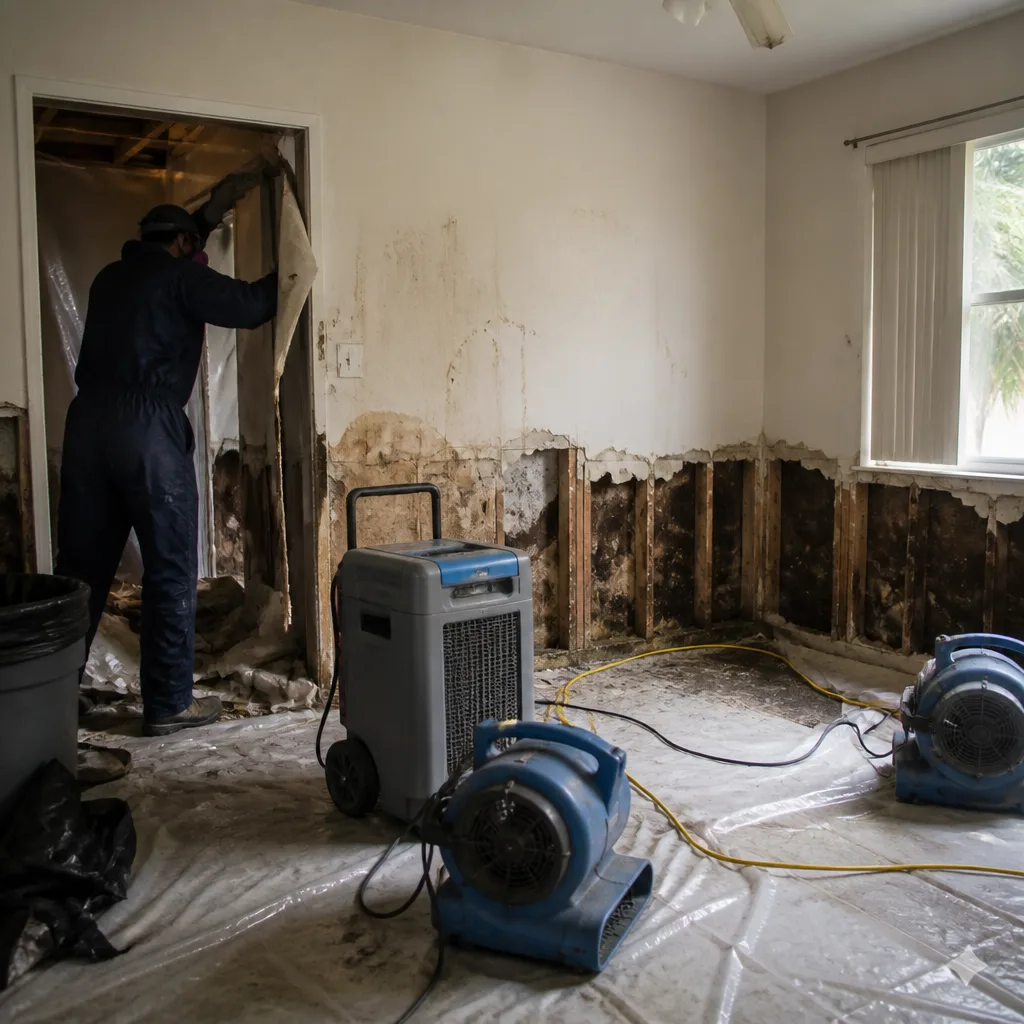 Before
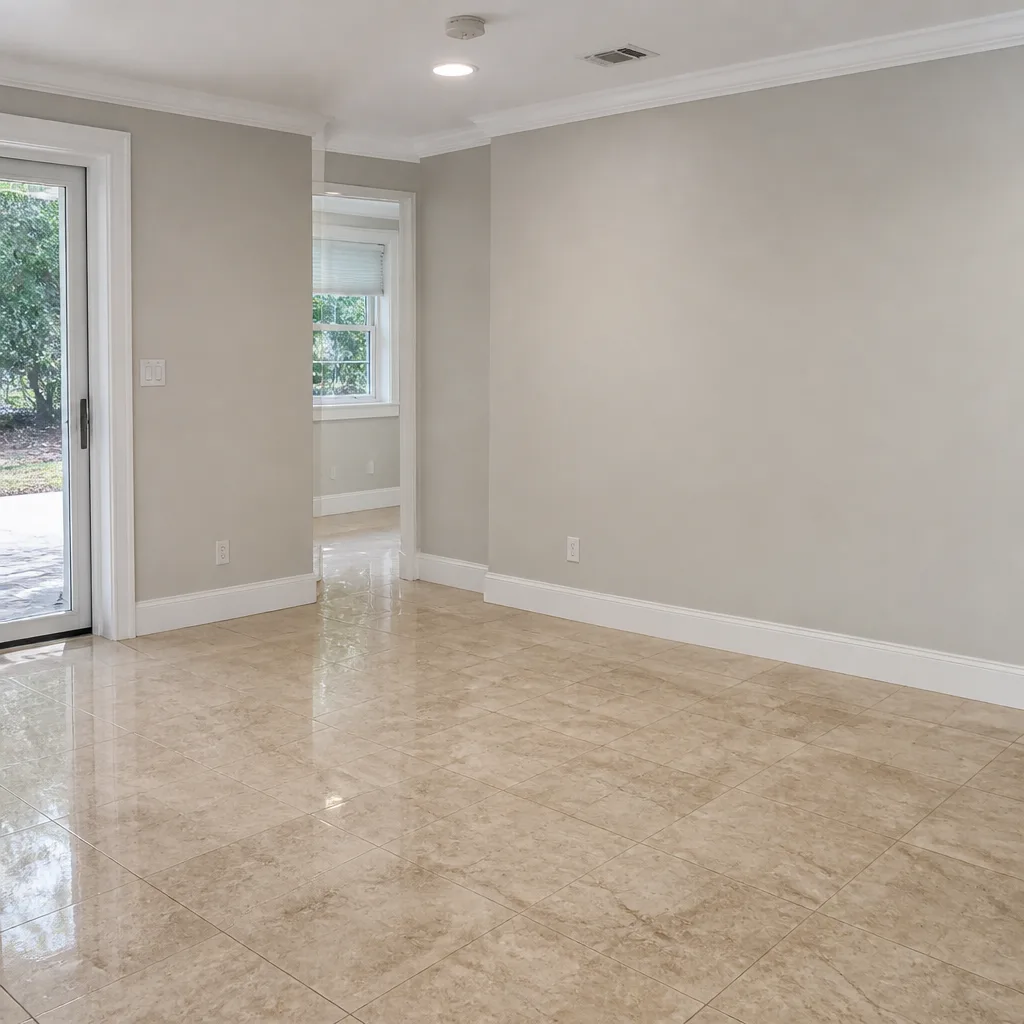 After
After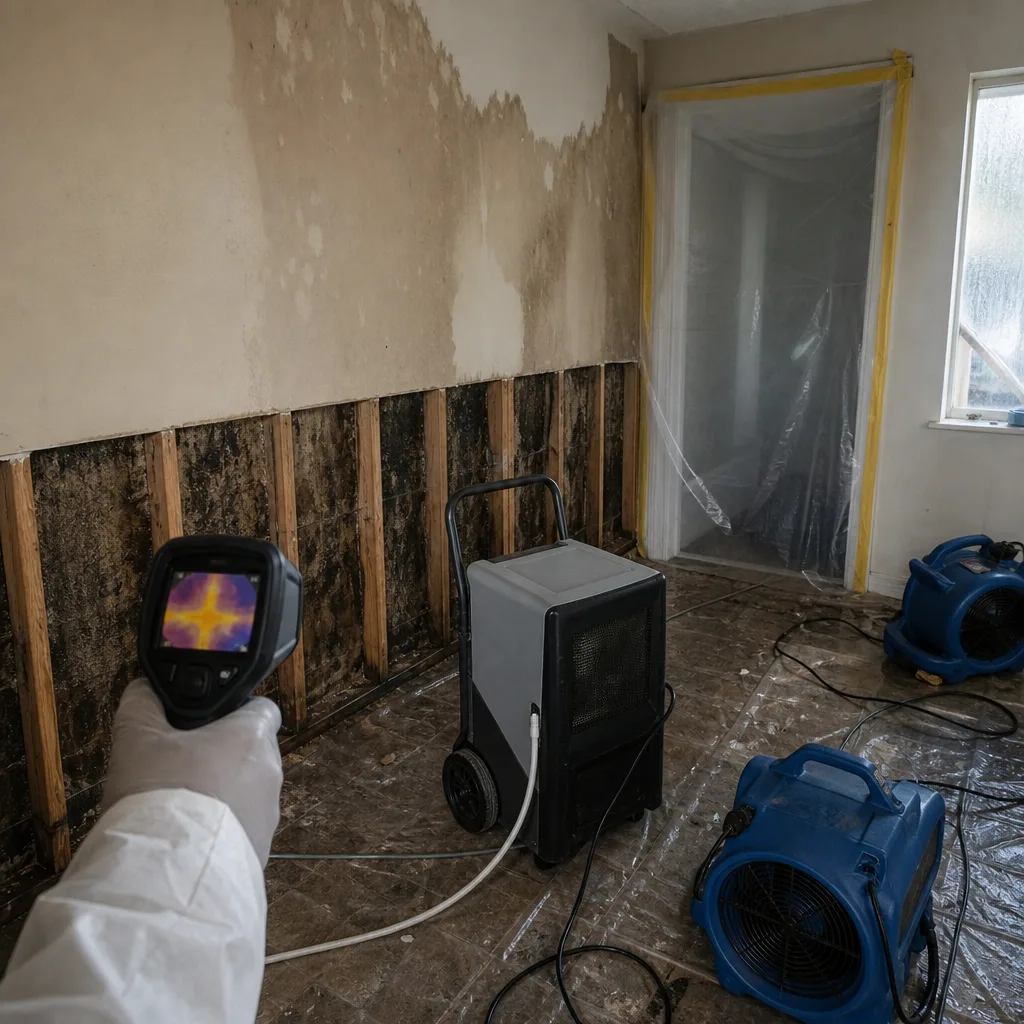 Before
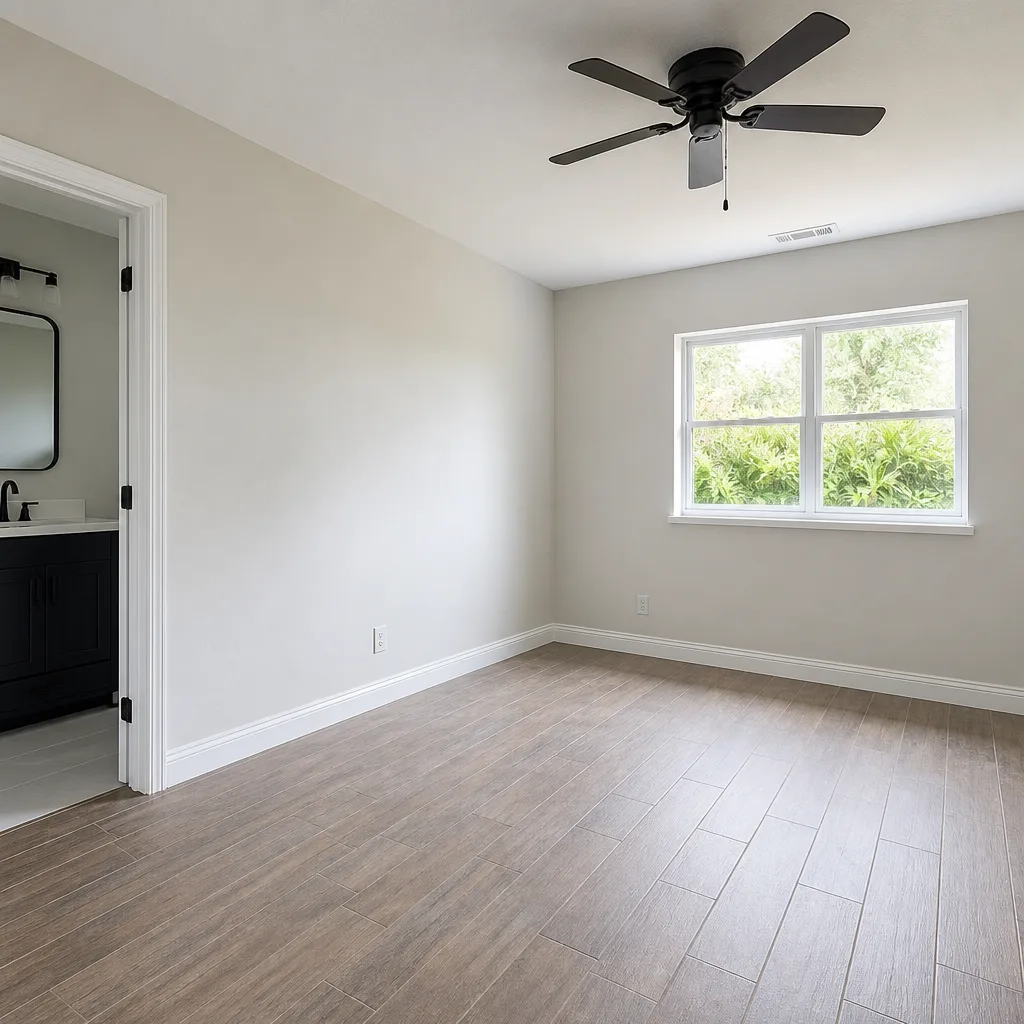 After
AfterThe Complete Guide to Damage Restoration in Boca Raton
Insurance adjusters in Florida deny or reduce an estimated 30% of water damage claims not because the damage wasn’t real, but because the contractor’s file couldn’t prove the scope. That problem starts on day one, not at the billing stage. In this guide and across our more guides & resources, you’ll learn why the most successful restoration projects in Boca Raton are documentation projects first and construction projects second, and how to protect your claim from the moment water, fire, mold, or storm damage enters your home.
Quick Answer
Damage restoration in Boca Raton is the process of returning a property to its pre-loss condition after water, fire, mold, storm, or biohazard damage, documented through moisture mapping, daily drying logs, photo records, and written scopes that satisfy both IICRC standards and Florida insurance requirements. A properly documented restoration produces an insurer-ready file that gets paid in full; a poorly documented one produces disputes that can delay settlement for months. See our Damage Restoration Cost Breakdown: The Boca Raton Homeowner’s Reference for 2026 for typical project ranges.
Table of Contents
- Why Restoration Is a Documentation Problem, Not a Construction Problem
- How South Florida Humidity Changes What “Dry” Means
- The Documentation Sequence That Converts Work Into a Paid Claim
- Water Classification in Boca Raton: Why Category 2 Is More Common Than You Think
- The Written Scope: Your Protection Against Scope Creep
- Florida’s AOB Reform and What It Means for Your Contractor Agreement
- Equipment, Standards, and What the Documentation Actually Looks Like
- Common Mistakes to Avoid
- When to Call a Professional
- Frequently Asked Questions
- The Bottom Line
 Before
 After
AfterWhy Restoration Is a Documentation Problem, Not a Construction Problem
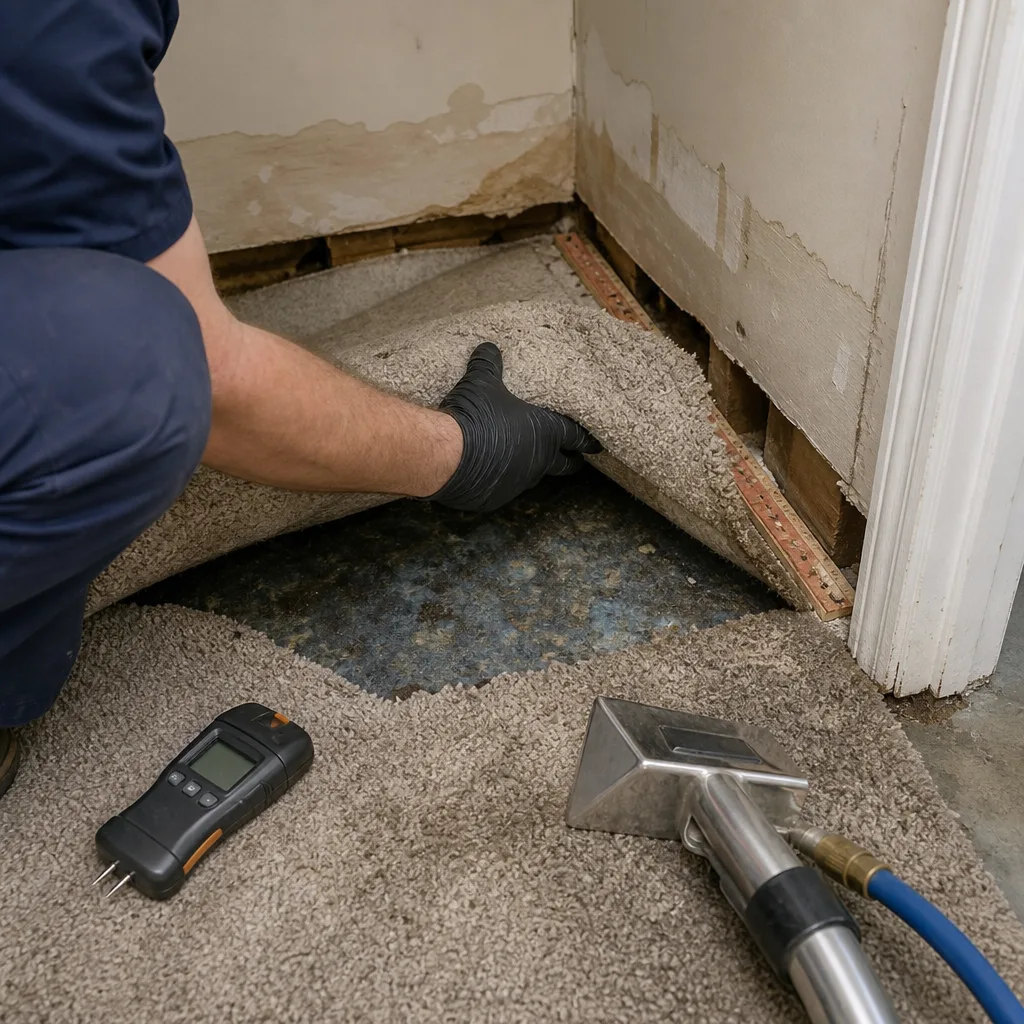
Most homeowners in Boca Raton call a restoration company because they see wet drywall, smell smoke, or spot mold behind a cabinet-often missing the Damage Restoration Warning Signs: A Boca Raton Homeowner’s Reference Guide until damage is advanced. They expect the problem to be solved with fans, demolition, and rebuild. What they don’t expect, and what determines whether their insurance claim is paid in full, is whether the contractor can produce a file that proves every hour of labor and every piece of equipment was necessary.
We’ve seen this from both sides. Alicia Brennan founded DryMark Restoration Boca Raton in 2011 after working as a claims adjuster and watching homeowners lose thousands because their contractor’s documentation was incomplete or inconsistent. An adjuster’s job is to verify that the work performed matches the damage documented. When the documentation gap is wide, the claim gets reduced or denied, and the homeowner pays the difference.
The Haven Standard was built to close that gap. Every job we take in Boca Raton follows a documentation protocol that starts before any equipment is plugged in:
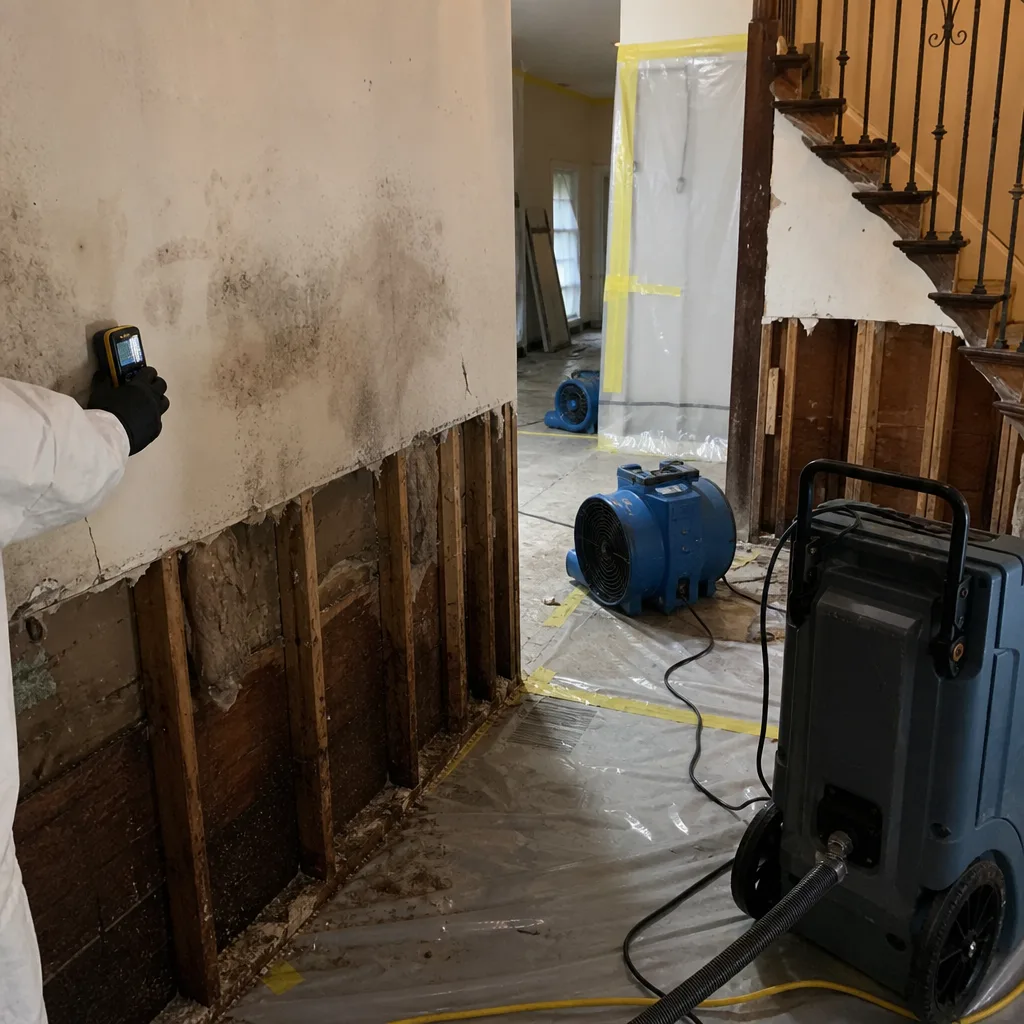
- Initial moisture mapping with calibrated penetrating and non-penetrating meters, recording readings by room and material type
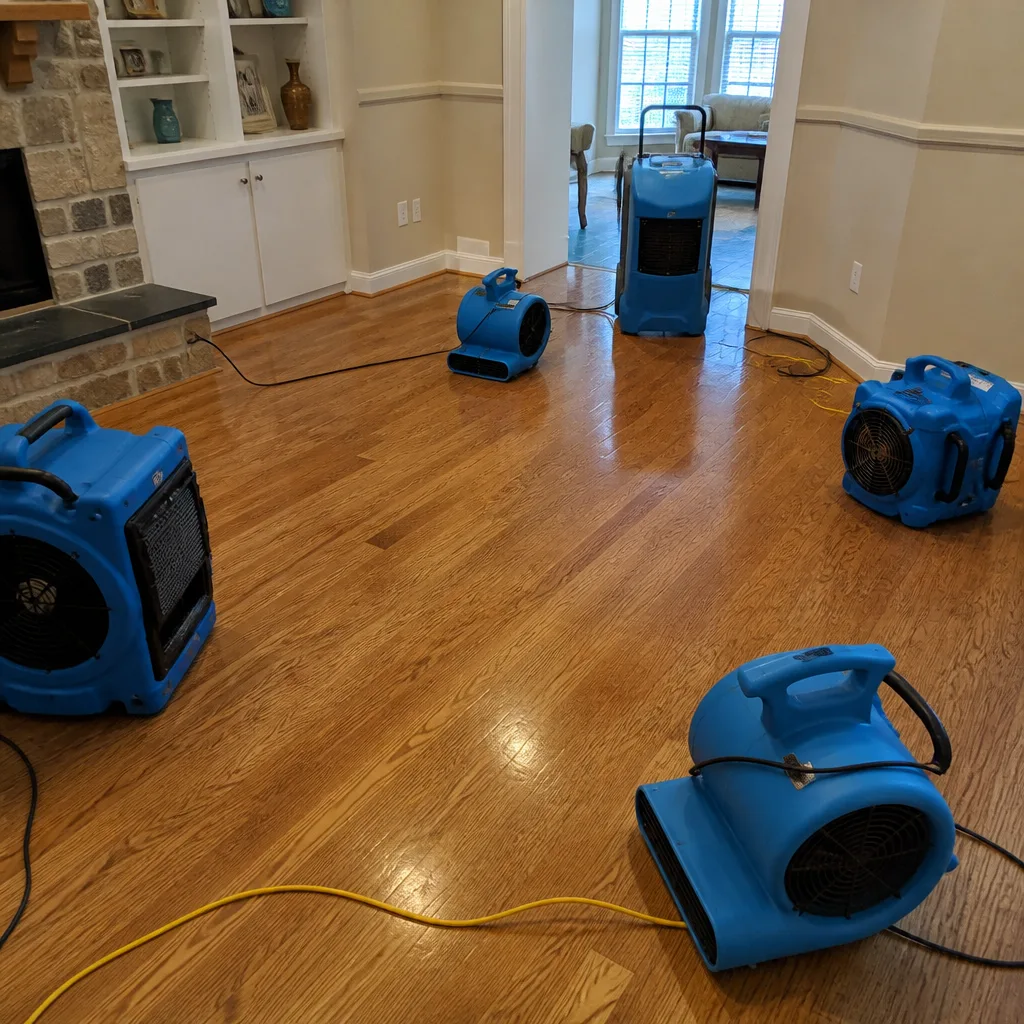
- Photo documentation of all affected areas, moisture readings displayed in frame, and equipment placement
- Written scope of work delivered and signed before demolition or drying begins
- Daily drying logs with psychrometric data, equipment readings, and moisture content progression
- Clearance documentation proving materials have returned to acceptable moisture content for South Florida’s ambient conditions
- Final photo record showing completed work, with dated images stored in the customer file
This sequence is not extra service. It is the service. Without it, restoration is just construction with an invoice that an adjuster can challenge.
How South Florida Humidity Changes What “Dry” Means
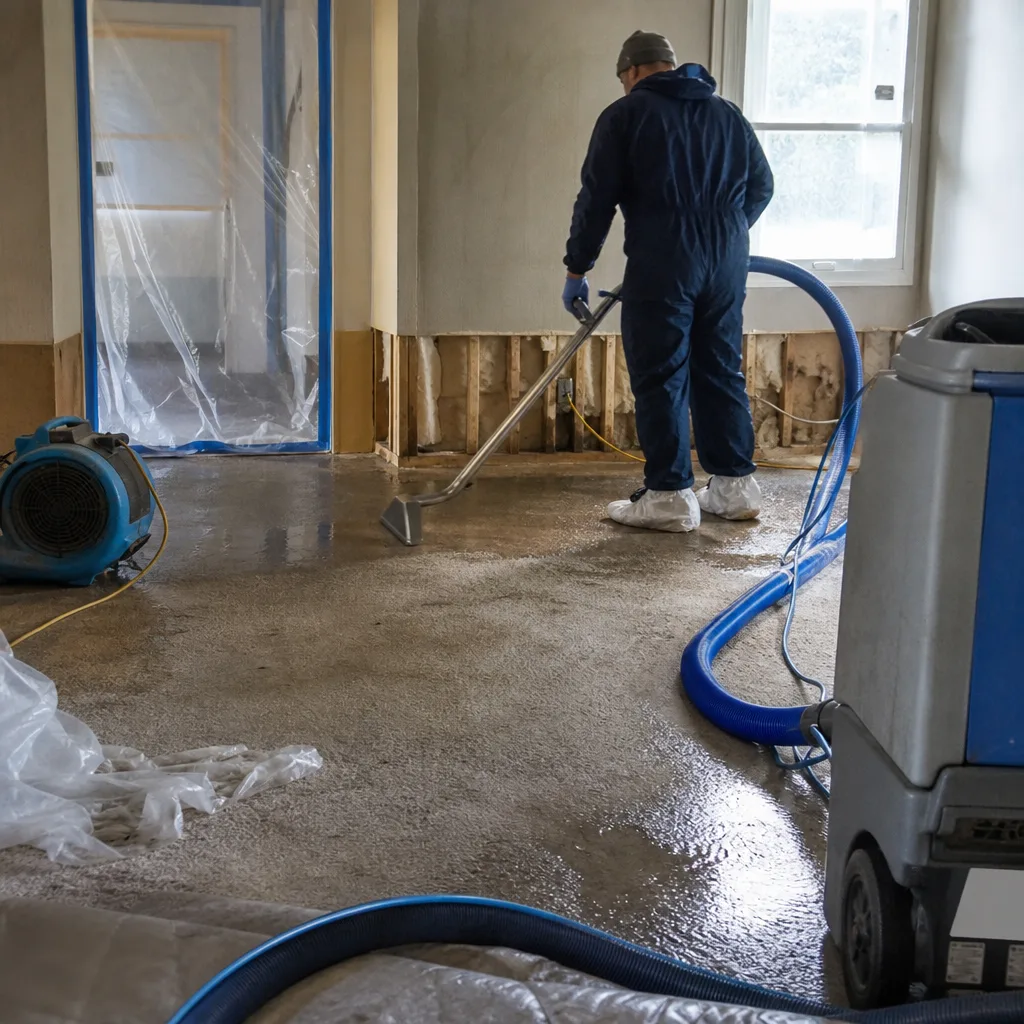
National IICRC standards define “dry” as a moisture content reading that falls within a specific percentage of a known dry standard for each material. But those standards assume ambient conditions that don’t exist in Boca Raton for most of the year.
In Boca Raton, relative humidity typically sits between 60% and 70% even on days without rain. During summer months and after afternoon thunderstorms, it can push past 80%. This matters because a drying goal set for a climate-controlled environment in Phoenix or Denver will fail here if the contractor doesn’t account for the local baseline.
Here’s what that looks like in practice. A contractor sets dehumidifiers to achieve 40% relative humidity indoors, a common target in drier climates. In Boca Raton, the outdoor air entering the structure during equipment exchanges may never drop below 65% RH. The equipment runs longer, consumes more energy, and produces more daily log entries. If those entries aren’t documented with the local ambient conditions noted, an adjuster may question why the drying phase extended to five or six days instead of three.
Our protocol requires technicians to record outdoor temperature and relative humidity at the start of each daily visit, alongside indoor readings at multiple points. This produces a vapor pressure differential calculation, the actual driver of moisture movement from wet materials to dry air. We document this because it explains why drying takes the time it takes in Boca Raton specifically, not in theory.
Materials common in Boca Raton homes add complexity. Terrazzo and marble flooring, popular in older homes near the Intracoastal and in neighborhoods like Boca Raton Hills, hold moisture differently than the oak or pine referenced in generic drying tables. Cypress and pressure-treated framing in homes built after 1980 respond to drying on different timelines. A contractor who applies national standards without local material knowledge produces documentation that doesn’t hold up under review.
The Documentation Sequence That Converts Work Into a Paid Claim
The difference between a restoration invoice that gets paid and one that gets disputed is almost always the completeness of the documentation sequence. Here’s what that sequence looks like on a typical water damage project in Boca Raton, step by step.
Step 1: Emergency Response and Initial Assessment
When our live dispatch answers a call at 2 a.m., the documentation clock starts. The technician arriving on site carries a calibrated moisture meter, a thermal imaging camera, and a tablet configured to upload photos to the customer file in real time. The first photos show the water source, the migration path, and all affected materials. These establish the baseline that every subsequent document must support.
Step 2: Moisture Mapping
We map moisture content across all affected rooms, recording readings at regular intervals on walls, floors, and structural members. In a typical Boca Raton single-family home near Palmetto Park Road, this might mean 40-60 reading points across 1,200 square feet. Each reading is photographed with the meter display visible and the location noted. This map becomes the evidence that justifies which materials are removed, which are dried in place, and which require extended monitoring.
Step 3: Written Scope Before Work Begins
Haven Standard, Clause 1: a written price is delivered before anyone starts work, every time, with no exceptions. The scope lists each task, the equipment to be deployed, the estimated duration, and the line-item cost. The homeowner signs before demolition begins. This prevents the disputes that arise when a contractor discovers “additional damage” mid-project and presents a revised bill that the adjuster hasn’t pre-approved.
Step 4: Daily Drying Logs
Each day, technicians record:
- Outdoor and indoor temperature and relative humidity
- Specific humidity and vapor pressure readings
- Equipment operational status, including dehumidifier grain depression and air mover CFM verification
- Moisture content readings at the same points mapped on day one
- Photos of equipment placement and any material changes
These logs are submitted to the customer’s file and, with authorization, to the insurance adjuster. They prove that drying progressed as expected or explain why additional days were necessary.
Step 5: Clearance and Completion
Before equipment is removed, we take final moisture readings that demonstrate materials have reached acceptable levels for Boca Raton’s ambient conditions, not just generic standards. We photograph the completed space, the restored or replaced materials, and any areas that required special attention. The customer receives a complete file: initial assessment, moisture map, signed scope, daily logs, clearance readings, and photo record.
Since 2011, we’ve produced this documentation sequence on over 12,000 homes. The result is a claim file that adjusters process without the back-and-forth that delays payment.
Water Classification in Boca Raton: Why Category 2 Is More Common Than You Think
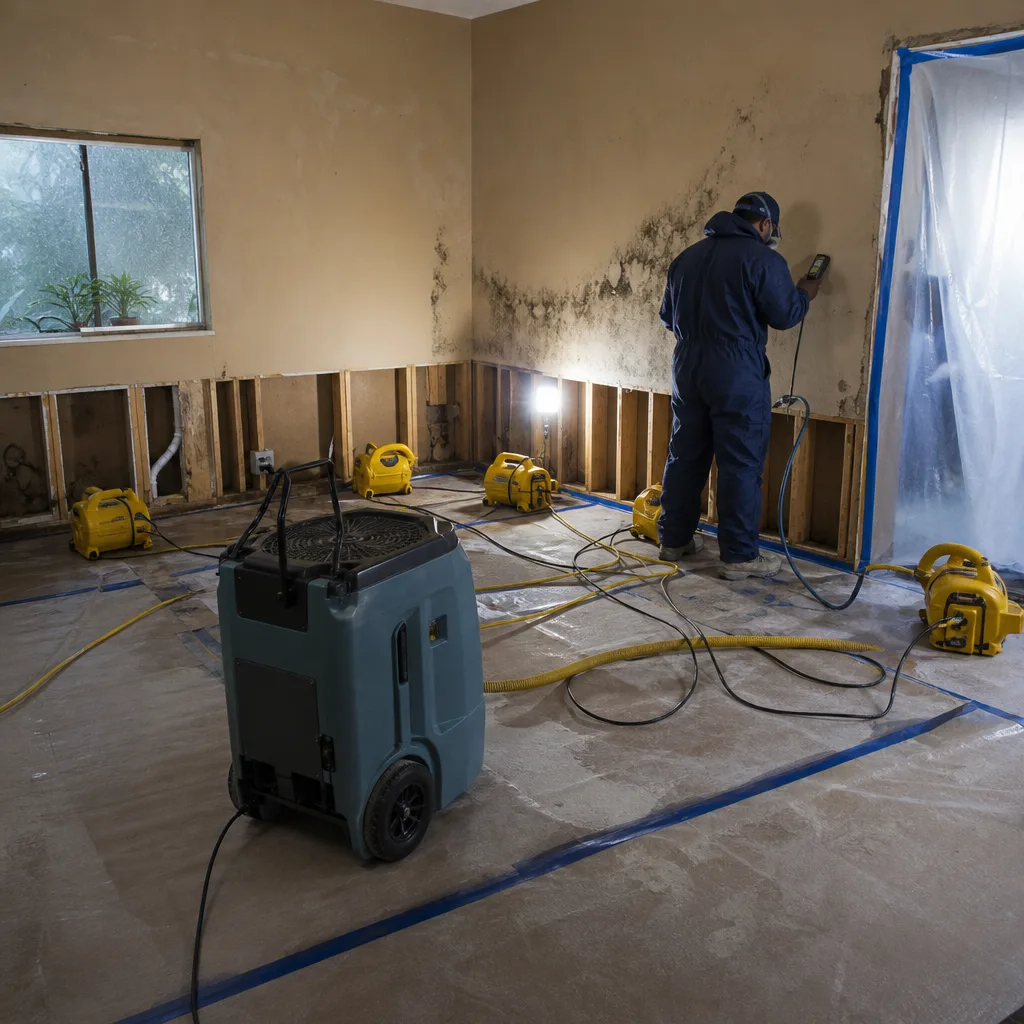
Water damage is classified by contamination level, and that classification determines both the remediation scope and whether your insurance policy covers the full cost. In Boca Raton, Category 2 water intrusions, often called “gray water,” occur more frequently than homeowners expect because of our specific climate and geography.
Category 1 is clean water from a broken supply line or overflowing sink. Category 2 contains significant contamination and has the potential to cause discomfort or sickness if contacted or consumed. Category 3 is grossly contaminated, including sewage and floodwater.
Here’s why Boca Raton’s conditions push more incidents into Category 2. Our high water table means that water intruding through slab foundations or crawl spaces often carries soil bacteria and contaminants from the ground. Afternoon thunderstorms, common from May through October, overwhelm drainage systems in older neighborhoods like Old Floresta or the areas near Spanish River Boulevard, causing backup through floor drains and sump pits. Water that starts as Category 1 from a supply line can become Category 2 within 24-48 hours in our humidity if not properly extracted and dried, because microbial growth accelerates significantly above 60% relative humidity.
The classification matters for your claim. Some policies limit coverage for Category 2 water damage or require specific documentation of the contamination source. Our Damage Restoration Permits, Codes & Inspections in FL: What You Need to Know explains additional compliance requirements. A contractor who doesn’t classify correctly on day one may find that the adjuster disputes the scope of demolition, the need for antimicrobial treatment, or the duration of drying.
Our technicians are trained to test and classify water on arrival, photograph the source and affected materials, and document the conditions that support the classification. If groundwater intrusion is suspected, we note the water table level, recent rainfall, and drainage conditions visible on site. This context helps the adjuster understand why a seemingly clean water loss requires Category 2 protocols.
We use professional-grade extraction and drying equipment from XPOWER and B-Air systems, documented to IICRC standards, to remove water quickly enough to prevent category escalation. The daily logs record this effort, showing that we didn’t allow a Category 1 loss to degrade through negligence.
The Written Scope: Your Protection Against Scope Creep
Scope creep is the most common source of dispute between homeowners, contractors, and insurance adjusters in Boca Raton restoration work. It happens when a project starts with a verbal agreement or a vague estimate, then expands as the contractor discovers “additional damage” that wasn’t visible initially. The homeowner feels trapped, the adjuster questions the new charges, and the project stalls while everyone argues.
Haven Standard, Clause 1 exists to eliminate this. The written scope delivered before work begins is a fixed document. It lists every task, every material, every piece of equipment, and every day of estimated labor. If conditions change, the scope is amended in writing, with photos documenting the new finding and a revised price signed before additional work proceeds.
This protects the homeowner in three ways. First, you know the maximum cost before anyone opens a wall. Second, the adjuster can review and pre-authorize the scope, reducing the risk of payment disputes later. Third, if the contractor fails to complete the listed work, the signed document is the basis for enforcing the 365-Day Done Right Promise.
We’ve reviewed competitor estimates for our Free Second Opinion service and seen scopes that list “dry out affected area” as a single line item with no square footage, no equipment count, and no duration. That scope cannot be verified, cannot be compared, and cannot be enforced. Our scopes specify: “Deploy X number of LGR dehumidifiers rated at X pints per day, X number of air movers at X CFM, for an estimated X days, targeting moisture content of X% in Y material.” The adjuster knows exactly what was promised and what to verify on final billing.
In Boca Raton’s competitive real estate market, where homes in neighborhoods like Royal Palm Yacht and Country Club or Boca West sell at significant price points, an unresolved restoration dispute can delay closing or reduce sale value. A written scope completed without dispute protects that equity.
Florida’s AOB Reform and What It Means for Your Contractor Agreement
Until 2019, many Florida homeowners signed Assignment of Benefits agreements that transferred their insurance policy rights directly to contractors. The contractor then billed the insurer directly, often at rates and scopes the homeowner never reviewed. AOB abuse became so widespread that Florida lawmakers passed significant reforms, and the landscape for Boca Raton homeowners changed substantially.
Under current Florida law, AOB agreements for residential property insurance are heavily restricted. Contractors cannot require an AOB as a condition of performing work. If an AOB is signed, it must meet specific notice requirements, and the homeowner retains the right to cancel within certain timeframes. Most importantly, the reforms limit the contractor’s ability to pursue the insurer directly through litigation, which was the primary driver of inflated claims.
What this means for you: you are almost always better served by a contractor who works with your insurance through direct coordination, not through an AOB. At DryMark Restoration Boca Raton, we document the loss, produce the written scope, and coordinate directly with your adjuster, but the policyholder, you, retain control of the claim and see every document before it is submitted.
This approach aligns with Haven Standard documentation practices. You receive the same photo records, drying logs, and written scopes that we provide to the adjuster. There are no separate files, no hidden charges, and no litigation that proceeds without your knowledge. If the adjuster has questions, we answer them with the documentation you’ve already reviewed.
Be cautious of any Boca Raton contractor who presents an AOB agreement without explaining these restrictions, or who suggests that signing over your benefits is the fastest way to get work started. The fastest way to get work started is a complete emergency response with documented moisture mapping and a written scope delivered for signature on day one.
Equipment, Standards, and What the Documentation Actually Looks Like
The equipment deployed on a restoration project determines whether drying succeeds, but the documentation of that equipment determines whether the claim is paid. We use professional-grade systems from Dri-Eaz, Phoenix, XPOWER, B-Air, and Injectidry, selected for the specific conditions of each Boca Raton loss. The brand matters less than the documentation that proves it was used correctly.
Here’s what a daily drying log entry actually contains. On day three of a water damage project in a Boca Raton home near Clint Moore Road, the log might show:
- Outdoor conditions: 84°F, 72% RH, specific humidity 110 grains per pound
- Indoor conditions at 9:15 a.m.: 78°F, 55% RH, specific humidity 78 grains per pound
- Dehumidifier performance: Phoenix 200 HT running 18 hours, grain depression 32 gpp, total water removal 28.4 pints
- Air mover configuration: 6 XPOWER P-230AT units, 800 CFM each, positioned for optimal airflow across wet drywall and subfloor
- Moisture readings: drywall at north kitchen wall reduced from 18.2% to 12.4%; oak strip flooring in adjacent hall holding at 14.1%, target 12%
- Technician notes: Extended drying required due to elevated outdoor humidity; no equipment changes; recheck in 24 hours
This level of detail explains why the project requires a fourth day of drying. Without it, an adjuster seeing a four-day invoice might assume overbilling. With it, the adjuster verifies the math and processes payment.
Psychrometric data, the relationship between temperature, humidity, and vapor pressure, is the technical foundation of professional drying. We document it because it proves our work was scientific, not guesswork. Tertiary drying, the final phase where bound moisture is removed from dense materials, is often where projects in humid climates extend. We note when this phase begins so the duration is expected, not questioned.
All work is documented to IICRC, RIA, and IFA standards. These are not marketing claims. They are specific protocols for equipment placement, monitoring frequency, and completion criteria that we follow and reference in every file.
Common Mistakes to Avoid
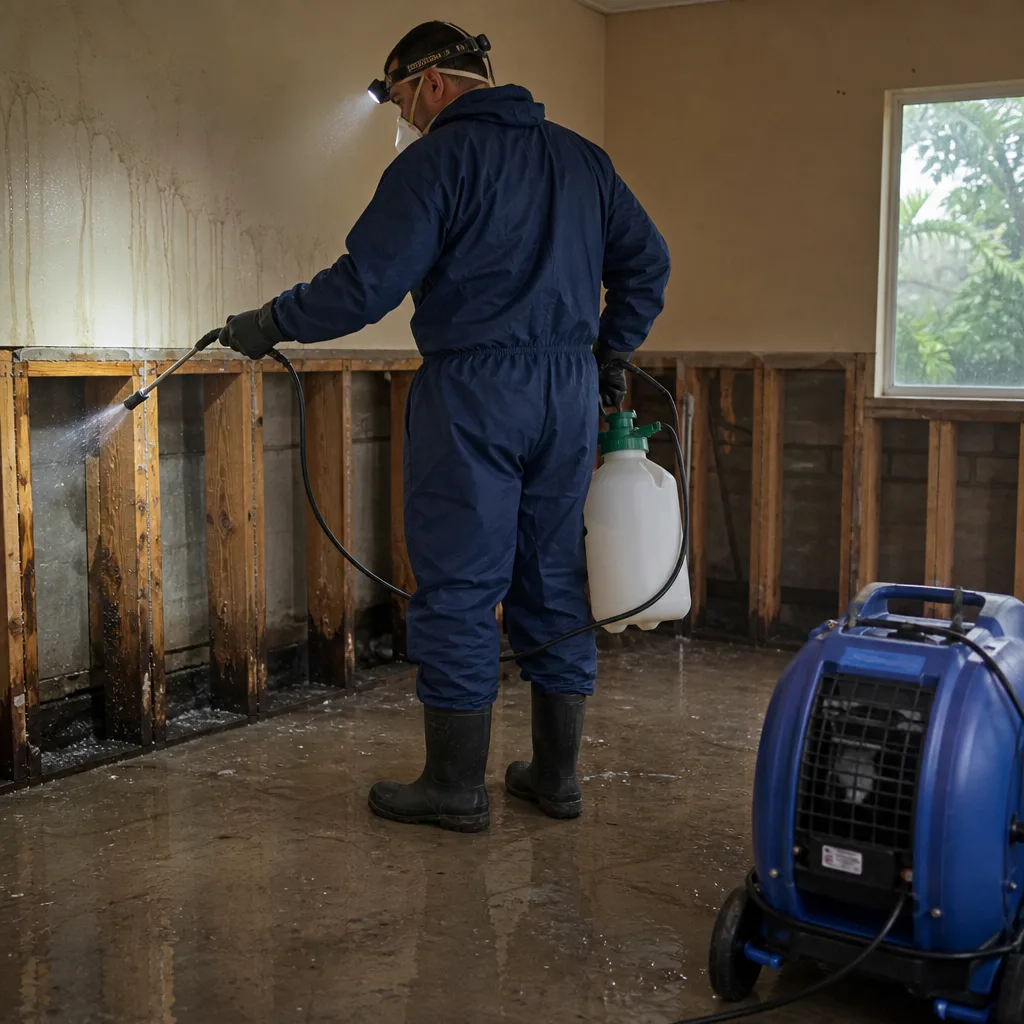
- Waiting to call until morning. Water moves through walls at roughly one inch per minute along porous materials. In Boca Raton’s humidity, microbial growth can begin within 24-48 hours. Calling at 2 a.m. when you discover the leak produces less damage and a simpler claim than waiting until business hours.
- Signing a scope you haven’t read. Some contractors present a one-page authorization with no line-item detail. If the adjuster disputes charges later, you have no documentation of what was agreed. Haven Standard, Clause 1 requires a written price before work starts for exactly this reason.
- Assuming all water is Category 1. In Boca Raton, groundwater intrusion and storm backup are common. A contractor who doesn’t test and classify water correctly may under-remediate, leaving contamination that causes problems months later, or over-remediate, producing a scope the adjuster questions.
- Accepting verbal promises about documentation. “We’ll take photos” means nothing without a delivery commitment. Our photo record is a standard deliverable, included on every job, stored in your file, and available to you and your adjuster on request.
- Ignoring the ambient conditions in drying goals. A contractor who sets drying targets for a dry climate will fail in Boca Raton and blame the equipment rather than the plan. Ask how local humidity affects the timeline and demand that it be documented.
- Not reviewing the daily logs. These are not internal documents. They are your evidence. If your contractor doesn’t share them during the project, you won’t have them when the adjuster asks.
- Choosing price over documentation. The lowest estimate often omits the monitoring, logging, and photo documentation that gets claims paid. A higher upfront cost with complete documentation typically produces lower total out-of-pocket expense after insurance settlement.
When to Call a Professional
Call immediately when water is actively flowing, when you smell smoke or see soot beyond a small contained area, when mold covers more than a few square feet, when sewage is involved, or when structural damage is visible. These situations escalate quickly in Boca Raton’s climate and carry health or safety risks that require trained response.
For water damage, even a small leak that has been running unnoticed for days can saturate wall cavities and produce Category 2 conditions. For mold, disturbance without containment spreads spores. For fire and smoke, acidic residues begin etching surfaces within hours.
DryMark Restoration Boca Raton offers free estimates in Boca Raton. Our live dispatch answers every call, 24 hours a day, 7 days a week, with no voicemail on emergency lines. Call (754) 247-1426 to speak with a person who can dispatch a documented response immediately.
Frequently Asked Questions
Most water damage restoration projects in Boca Raton range from $2,800 to $7,500 for drying and extraction, with reconstruction costs additional depending on materials and square footage. Category 2 and 3 losses, common here due to groundwater and storm backup, typically run 30-50% higher than Category 1 because of antimicrobial treatment and additional demolition. We deliver a written price before work begins on every job, Haven Standard, Clause 1, with no exceptions. Call (754) 247-1426 for a specific estimate at no charge.
Most homeowners policies cover sudden and accidental water damage, but coverage depends on the water source, the policy’s specific language, and the completeness of your contractor’s documentation. The 30% of claims that get reduced or denied are almost always documentation failures, not coverage exclusions. Our file protocol, developed from adjuster experience, produces the records that support full payment. We coordinate directly with your adjuster and provide the same documentation to you that we submit to them.
Our live dispatch answers immediately, and emergency response teams are deployed as soon as the call is completed. For active water flow, fire damage, or biohazard situations, speed matters because damage compounds by the hour. We do not quote specific arrival times because traffic and call volume vary, but we do confirm dispatch and provide technician contact information so you can track progress. For non-emergency assessments, we schedule at your convenience and still deliver a written scope before any work begins.
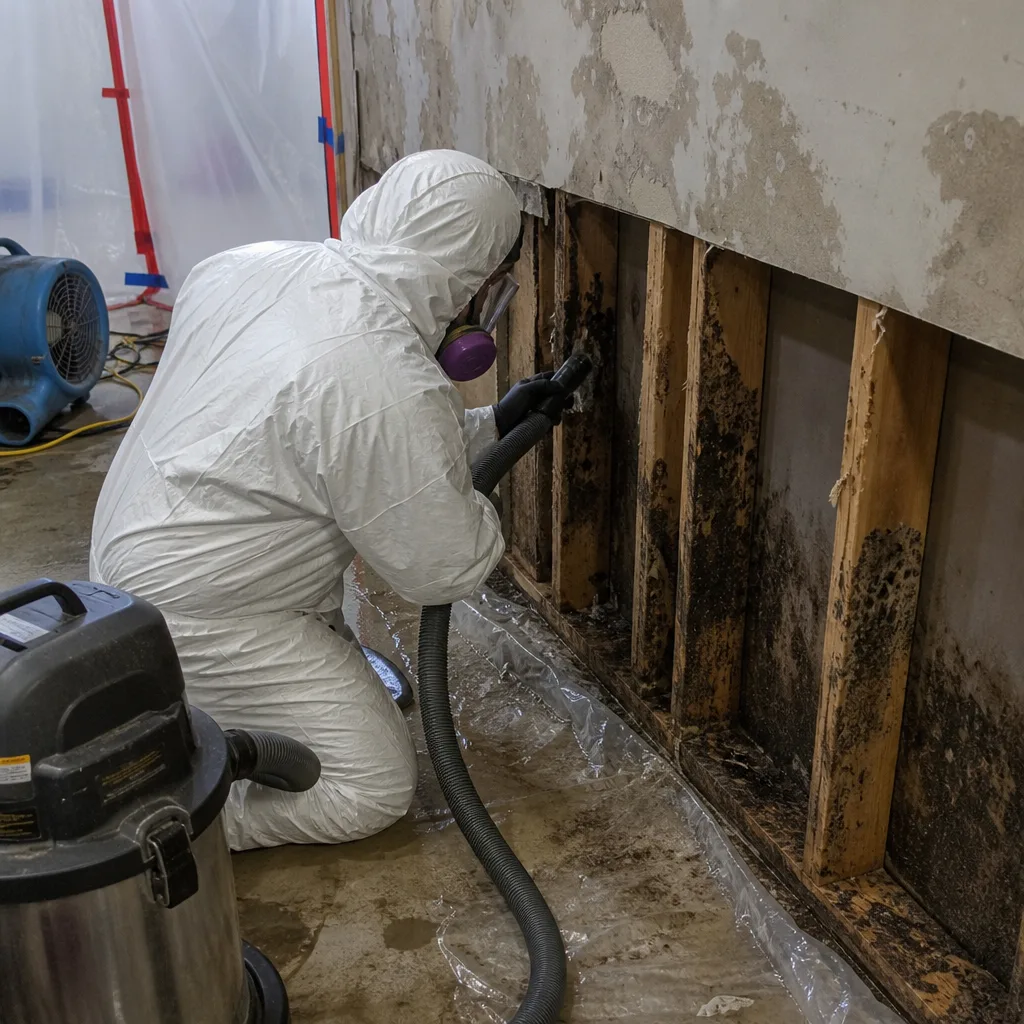
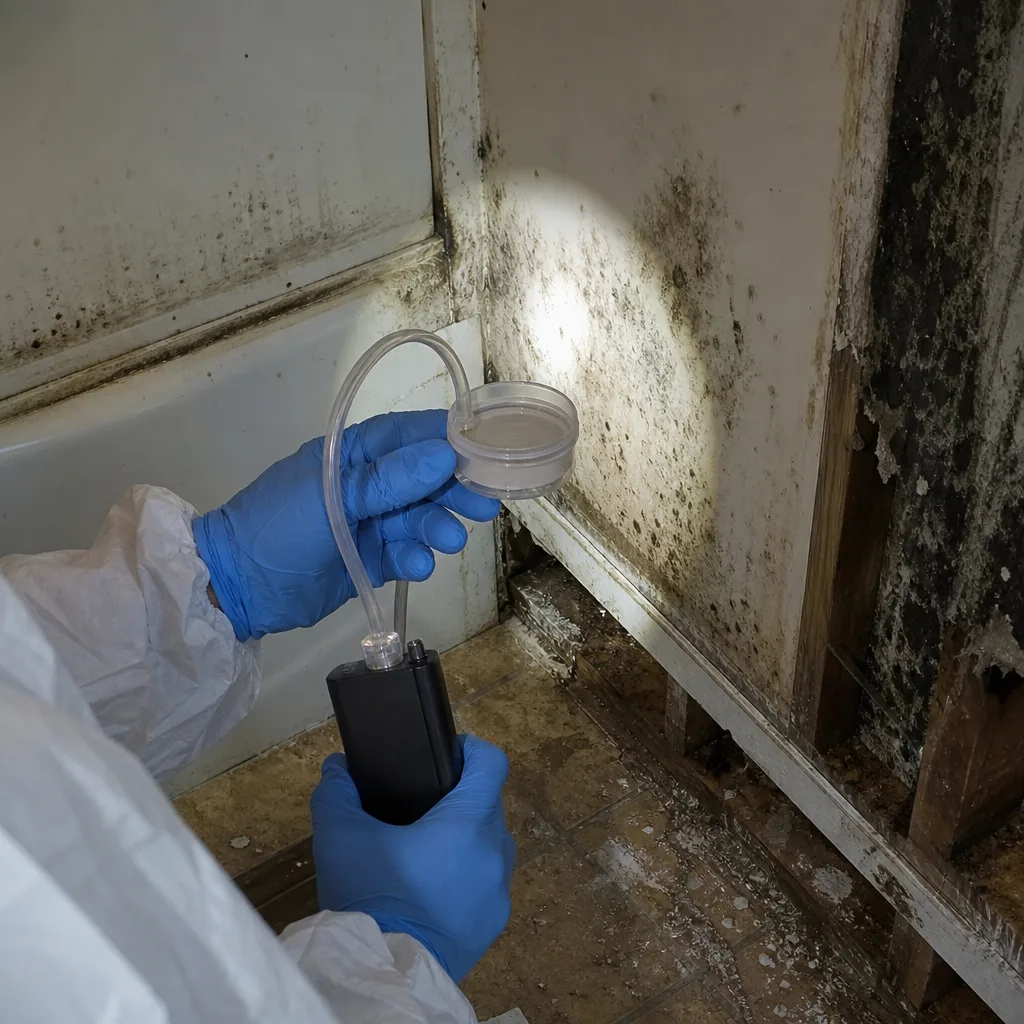
Visible mold growth larger than approximately 10 square feet, or any mold resulting from water damage that involved Category 2 or 3 water, requires professional remediation under IICRC standards. In Boca Raton’s humidity, incomplete cleaning often leaves viable spores that regrow within weeks. More importantly, disturbance without proper containment and negative air pressure spreads contamination to unaffected areas. We provide mold remediation in Boca Raton with documented clearance testing that satisfies both health concerns and real estate disclosure requirements.
We coordinate directly with your adjuster, providing the complete documentation file: moisture mapping, daily drying logs, photo records, and the signed written scope. You remain the policyholder and see every document before submission. This direct coordination, without an Assignment of Benefits, keeps you in control of your claim while ensuring the adjuster receives a file that can be processed without delay.
If any work we perform is not done right, we make it right, for a full year from completion. This is a written guarantee under The Haven Standard, not a verbal assurance. It covers both our restoration work and, for reconstruction projects, materials and installation. The promise is stamped on every job file and enforceable because the documentation exists to prove what was originally completed. Since 2011, this guarantee has governed every one of the 12,000+ homes we’ve restored.
Fire and smoke damage restoration in Boca Raton requires additional documentation of acidic residue testing, content inventory and cleaning, and structural assessment for heat damage. Smoke migrates beyond the visible burn area, often entering HVAC systems and wall cavities, so moisture mapping is replaced or supplemented by soot and odor mapping. The documentation sequence is similar, written scope before work, photo records, daily logs, but the equipment and protocols differ significantly. We deploy specialized cleaning systems and document residue levels to prove that restoration, not just masking, was achieved.
The Bottom Line
The most important decision you make after property damage in Boca Raton is not which contractor has the fastest trucks or the lowest estimate. It is which contractor can produce the documentation that turns your restoration project into a paid insurance claim. The complete file, moisture mapping, written scope, daily drying logs, photo records, and clearance documentation, is what protects your out-of-pocket costs and your home’s value. Every other factor, equipment quality, technician training, response speed, serves this goal. Without the file, you have construction. With it, you have restoration that an adjuster can verify and a policyholder can enforce.
Written by Alicia Brennan, Owner at DryMark Restoration Boca Raton, serving Boca Raton since 2011.