
Last updated September 23, 2026
Free visual inspection and a written scope of work before any mitigation begins - photos, moisture readings, and drying logs go in your claim file
The scope we write is the scope we bill. Anything new gets shown to you, in writing, before we touch it.
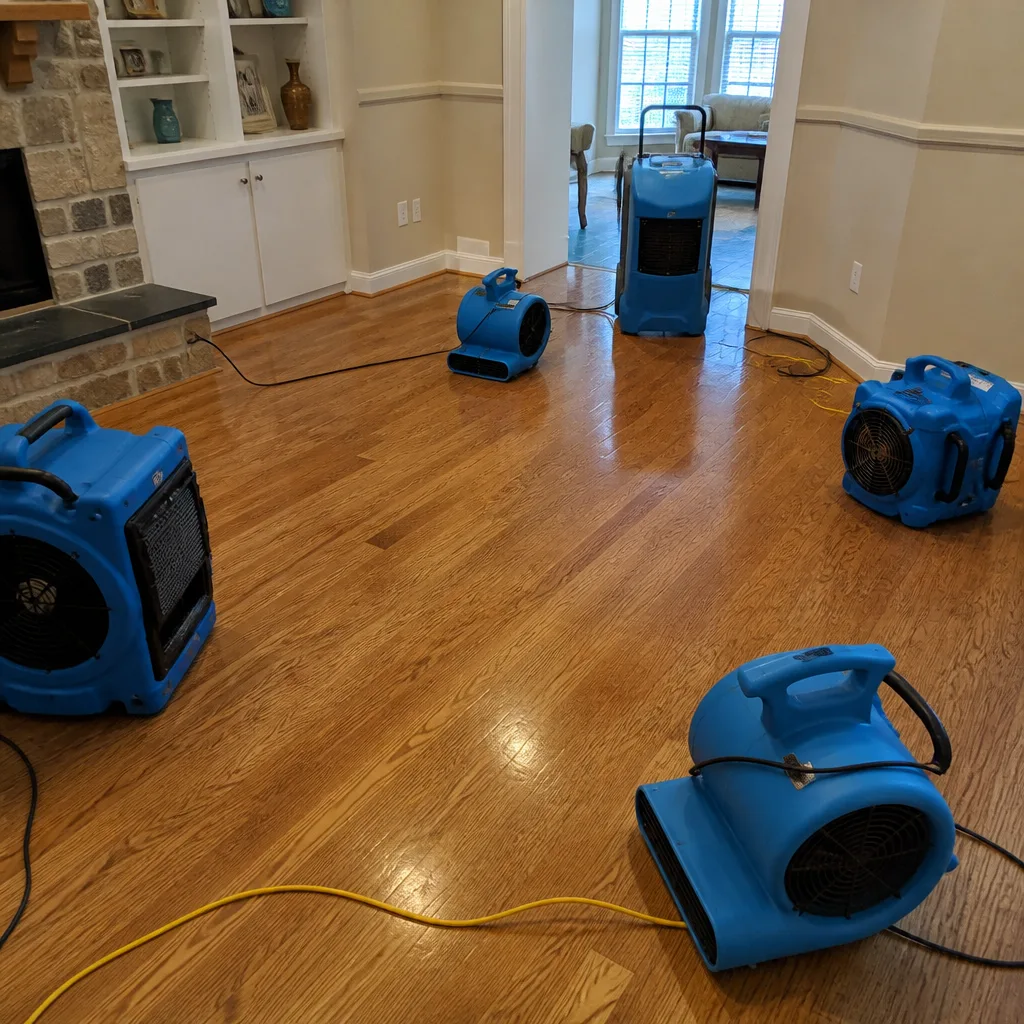

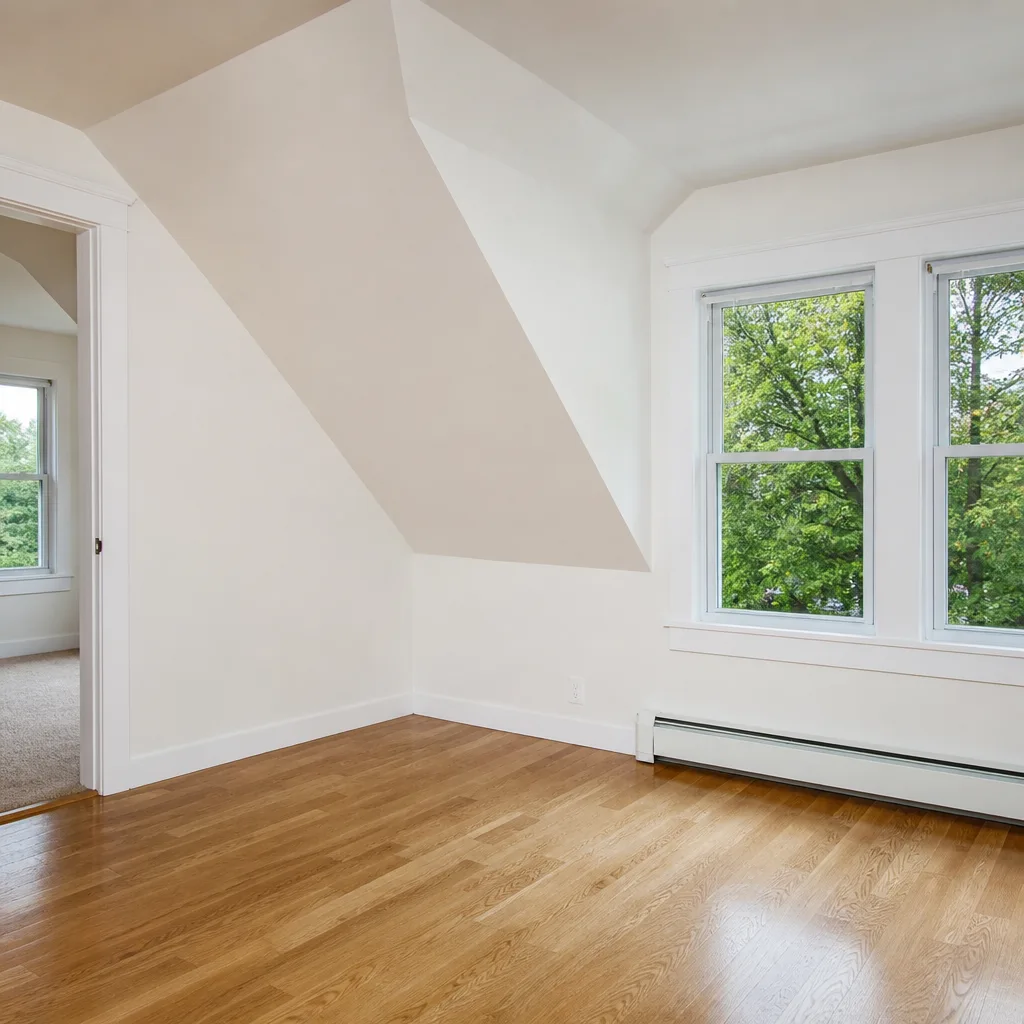

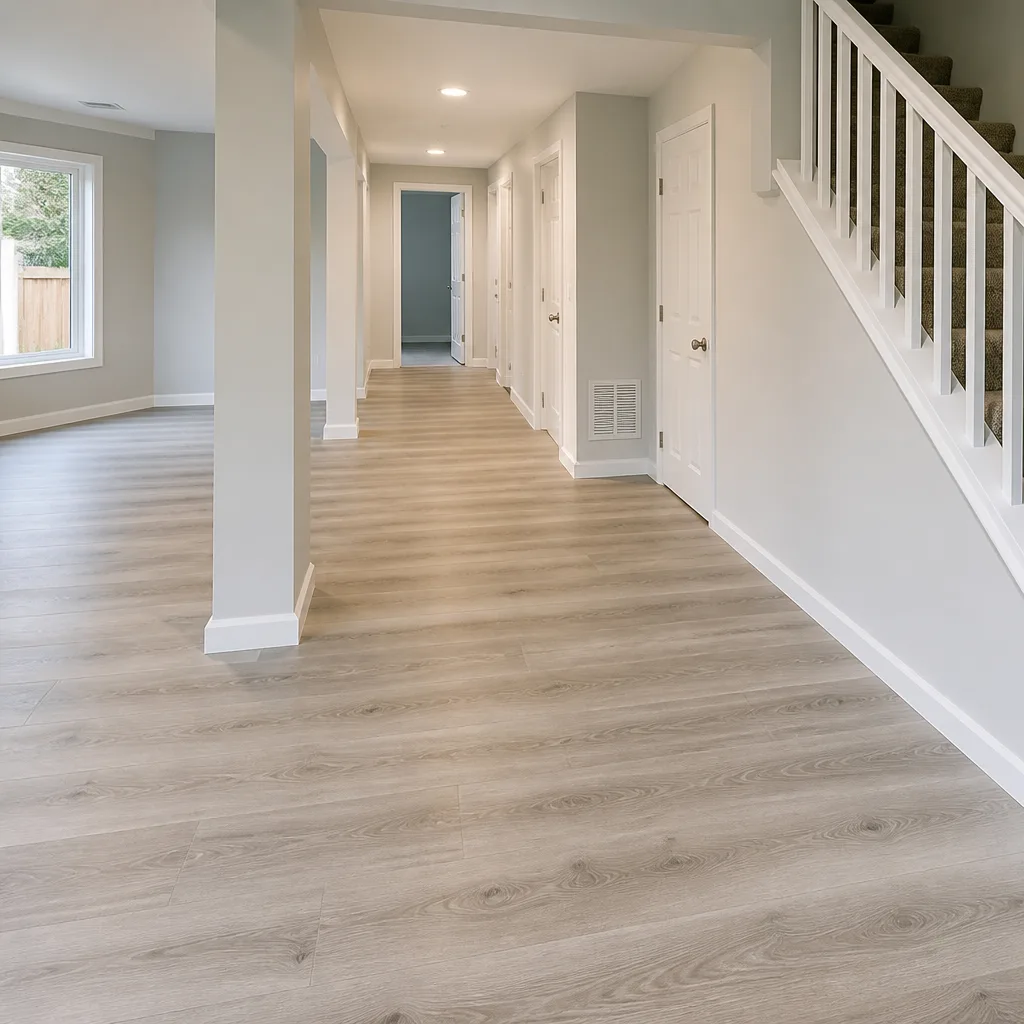

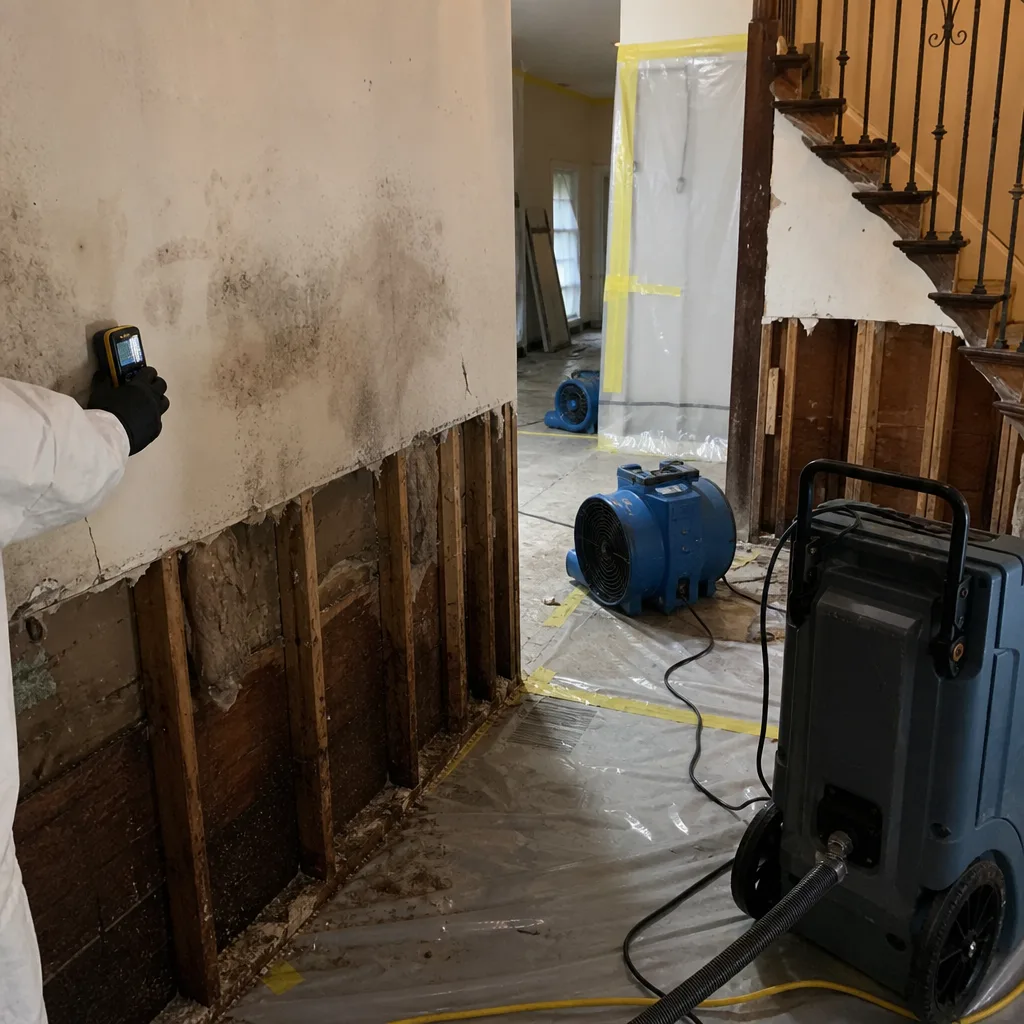 Before
 After
After Before
 After
After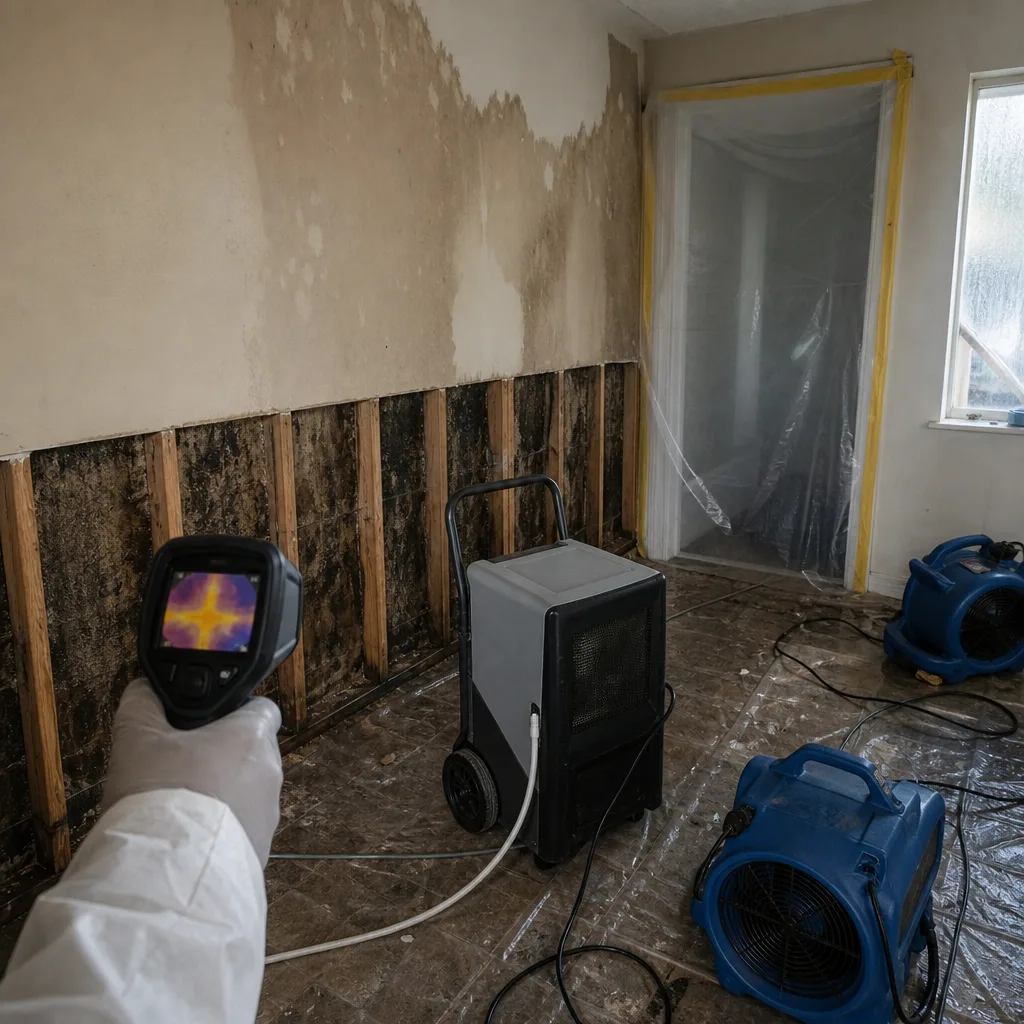 Before
 After
AfterDamage Restoration Warning Signs: A Boca Raton Homeowner’s Reference Guide
A musty odor in a Boca Raton home is not a warning sign. It is confirmation that mold has already colonized a surface, which means the moisture that caused it has been present for at least 24-48 hours, and possibly weeks. By the time most homeowners notice stains, bubbling paint, or warped flooring, the underlying damage has progressed through multiple stages of saturation, microbial growth, and material degradation. This guide covers the measurable precursors that appear before any visible damage, the instruments to detect them, and the documentation protocol that turns an early finding into a payable insurance claim. For related guidance, see our Seasonal Damage Restoration Care for Boca Raton: Year-Round Homeowner’s Guide.
Quick Answer
The earliest warning signs of damage in a Boca Raton home are measurable, not visible: sustained indoor relative humidity above 60%, pin moisture meter readings exceeding 16% on wood framing or 12% on drywall, efflorescence on concrete block walls, unexplained water bill increases, and soft or discolored tile grout. These indicators appear 48 hours to 6 months before stains, odors, or structural symptoms become obvious. A homeowner who documents these readings with dates, photos, and fixed reference points can establish the timeline insurers require to cover subsequent remediation.
Table of Contents
- The Five Pre-Visible Indicators of Active Moisture
- How to Use a Pin Moisture Meter: A 10-Location Protocol
- CBS Construction in Boca Raton: What Hides Behind Stucco
- The Documentation Protocol for Suspected Warning Signs
- DIY Repair vs. Professional Moisture Investigation
- Category-Specific Warning Signs by Damage Type
- Common Mistakes to Avoid
- When to Call a Professional
- Frequently Asked Questions
 Before
 After
AfterThe Five Pre-Visible Indicators of Active Moisture
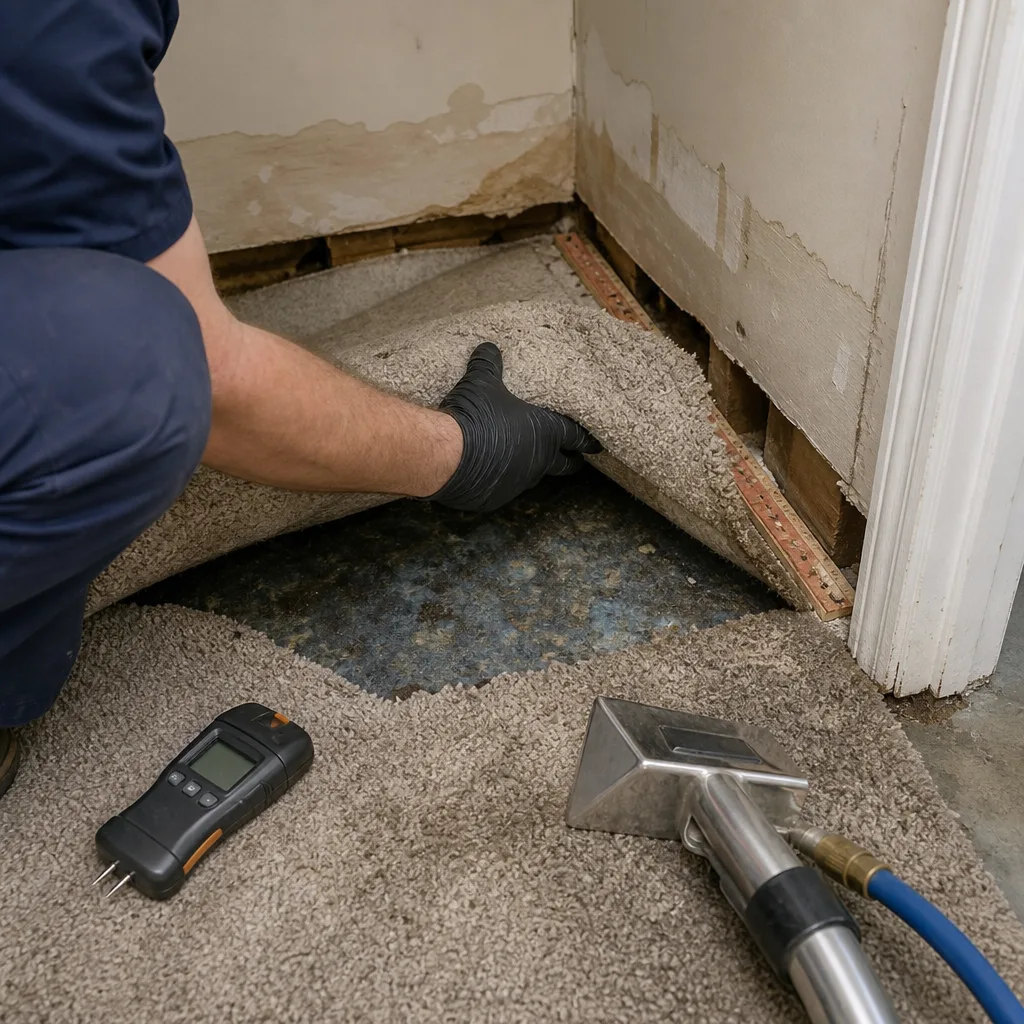
Most damage restoration guides recycle the same late-stage symptoms: water stains, musty odors, peeling paint. These are not warning signs. They are damage reports. In Boca Raton’s subtropical climate, where outdoor relative humidity routinely exceeds 75% for six months of the year, moisture intrusion follows a predictable sequence. The following five indicators appear before any visible symptom, and each is measurable with instruments costing under $50.
1. Sustained Indoor Relative Humidity Above 60%
Indoor relative humidity (RH) in a properly conditioned Boca Raton home should run 45-55% during cooling season. When RH sustains above 60% for more than 48 hours, the vapor pressure differential shifts: moisture migrates from humid air into cooler wall cavities, concrete block cells, and subflooring. We see this pattern regularly in homes near the Intracoastal Waterway, where salt-laden air holds more moisture and HVAC systems are often undersized for the latent load.
Measurement: Place a digital hygrometer in the center of the room, 3 feet off the floor, away from vents. Record morning and evening readings for three days. Sustained readings above 60% warrant investigation of the HVAC system’s dehumidification capacity, duct leakage, or envelope breaches.
2. Unexplained Increases in Water Bills
A monthly water bill increase of 15% or more without changed usage patterns indicates a pressurized leak: slab leak, irrigation line breach, or supply pipe failure. In Boca Raton’s limestone geology, slab leaks are common in homes built between 1970 and 2000 with copper piping. The water escapes below the slab, saturates the substrate, and wicks upward through concrete block walls before any interior symptom appears.
Threshold: Compare the current bill to the same month one year prior. A 15% increase triggers a meter test (turn off all fixtures, check if the meter dial moves). A moving dial with zero usage confirms a pressurized leak requiring professional location and repair.
3. Efflorescence on Concrete Block Walls
Efflorescence is the white, powdery deposit of mineral salts left when water evaporates from masonry. On Boca Raton’s concrete block and stucco (CBS) homes, it appears at the base of exterior walls, in garages, or on foundation stems. It indicates water is moving through the block matrix, dissolving soluble salts, and depositing them at the evaporation surface. The moisture source may be groundwater, irrigation overspray, or failed waterproofing at the slab edge.
Critical distinction: Efflorescence is not mold. It is, however, proof of water migration paths that will eventually support mold growth if relative humidity at the surface exceeds 60%. Document the location, extent in square inches, and whether the deposit is powdery (active migration) or crystalline (historic, possibly reactivated).
4. Soft Spots in Tile Grout Lines
Ceramic and porcelain tile in Boca Raton homes is often installed directly on concrete slab or cement backer board. When moisture accumulates beneath, the grout lines soften first. Press a flathead screwdriver into grout joints in bathrooms, kitchens, and laundry rooms. Sound grout resists with a gritty texture; compromised grout yields, powders, or separates from the tile edge.
Grout softening indicates either a current leak (toilet flange, supply line, pan failure) or vapor drive from a saturated substrate. In homes near Spanish River Park and other low-lying areas with high water tables, we regularly see vapor drive through slabs with no active plumbing leak.
5. Door and Window Frames That Stick Without Apparent Cause
Wood door and window frames expand when moisture content increases. In Boca Raton’s climate, seasonal swelling from outdoor humidity is normal. Frame swelling that persists during dry periods, or that affects only one side of a room, indicates localized moisture accumulation in the wall cavity. Check the gap between frame and jamb with a feeler gauge. A gap that varies by more than 1/16 inch from top to bottom, or that closes entirely at one point, suggests uneven moisture distribution in the framing.
How to Use a Pin Moisture Meter: A 10-Location Protocol
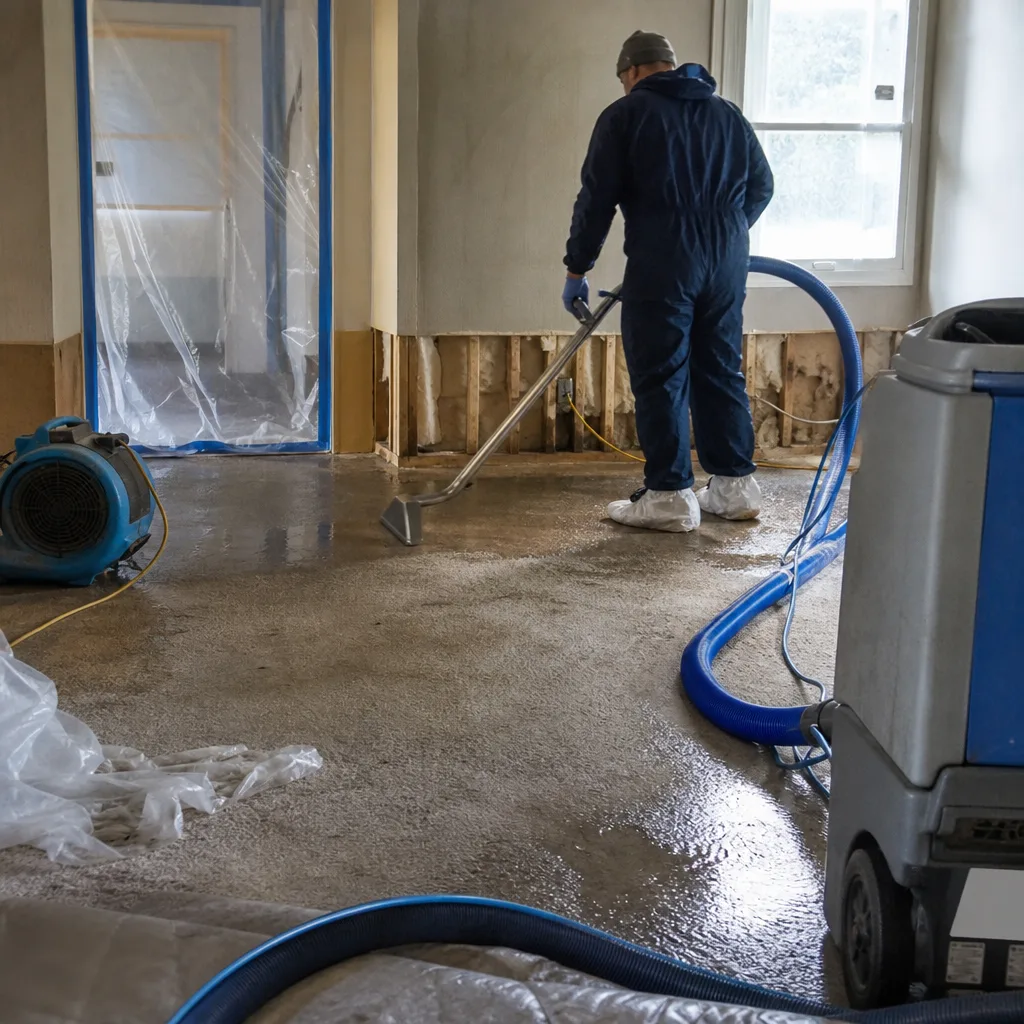
A consumer-grade pin moisture meter costs $35-$80 and provides objective data that subjective observation cannot match. The pins penetrate the material surface and measure electrical resistance, which correlates to moisture content. The following protocol establishes baseline readings for a typical Boca Raton single-family home and identifies investigation thresholds.
Equipment and Settings
Use a pin meter with species correction for wood (setting: Douglas fir or “softwood” for South Florida pine framing) and a reference scale for non-wood materials. Do not use pinless meters for this protocol; they measure surface conditions only and miss moisture trapped behind tile or drywall.
The 10 Baseline Locations
- Exterior wall baseplate, ground floor: Drive pins horizontally into the sole plate where it meets the slab. Threshold: >16% wood moisture content (WMC) warrants investigation of slab edge dampness or termite shield failure.
- Interior wall baseplate, opposite side: Compare to exterior reading. A differential >4% indicates moisture migration path through the wall cavity.
- Kickspace under kitchen sink: Test the cabinet floor and rear wall. Threshold: >20% WMC or any reading on the “wet” scale for composite materials indicates active or recent leak.
- Bathroom vanity toe-kick: Same parameters as kitchen. Supply line failures under vanities are among the most common slow leaks we document in Boca Raton homes.
- Shower/tub surround, lower corner: Test grout and adjacent drywall. Threshold: >12% on drywall or any reading above “dry” on tile backer indicates pan or surround failure.
- Water heater platform or closet floor: Tank failures begin slowly; the platform shows elevated moisture before the tank ruptures. Threshold: >18% WMC on plywood platform.
- Laundry room wall behind washer: Test drywall at 6 inches and 24 inches above floor. Differential >6% suggests drain line backup or supply hose seepage.
- Garage interior wall, ground level: In CBS homes, garage walls often lack the moisture barrier present in living spaces. Threshold: >15% WMC or visible efflorescence on block.
- Window sill, lowest point: Test wood or drywall at the interior sill corner. Threshold: >14% WMC indicates seal failure or flashing defect.
- Attic access frame or pull-down stair surround: Test framing at the access opening. Elevated readings here indicate roof leak, duct condensation, or inadequate ventilation in the attic space.
Recording Baseline Readings
Document each location with: date, time, indoor temperature, indoor RH, meter make/model, material tested, reading in % WMC (or scale position for non-wood), and any visible condition. Repeat quarterly. A reading that increases by more than 4 percentage points between measurements indicates active moisture gain, even if still below the investigation threshold.
CBS Construction in Boca Raton: What Hides Behind Stucco
Boca Raton’s prevailing construction type, concrete block and stucco (CBS), behaves differently than wood-frame construction under moisture stress. Understanding these differences is essential to interpreting warning signs correctly.
Concrete block is porous and hygroscopic. Water moves through the block matrix by capillary action, wicking from a wet source to a dry surface. The stucco exterior provides a semi-permeable barrier: it sheds bulk water but allows vapor transmission. When the moisture drive exceeds the drying capacity, water accumulates in the block cells and at the interior drywall interface.
In wood-frame construction, moisture typically manifests as visible staining on drywall, because the wood studs create localized cold spots where condensation occurs. In CBS construction, moisture spreads more evenly across the wall plane. The result: a broad area of slightly elevated moisture with no distinct stain pattern, often dismissed as “humidity” until mold appears.
Unique warning signs in CBS homes:
- Chalking or softening of interior paint at the wall base: Indicates moisture wicking up from the slab through the block, a pattern we document frequently in older Boca Raton neighborhoods like Old Floresta where original slab waterproofing has degraded.
- Corrosion of drywall screws or nail pops in horizontal rows: The steel fasteners rust where they contact the moist block surface, while the drywall paper remains visually intact.
- Tile delamination in bathrooms on slab: Moisture vapor from the slab breaks the thinset bond before any plumbing leak occurs. The tiles sound hollow when tapped.
- Musty odor concentrated in closets on exterior walls: Closets have minimal air circulation and cooler surfaces; in CBS homes, they become moisture sinks for wall cavity vapor.
The Water Damage Restoration in Boca Raton page details our moisture investigation protocol for CBS homes, including the Injectidry systems we use to dry block cavities without destructive removal.
The Documentation Protocol for Suspected Warning Signs
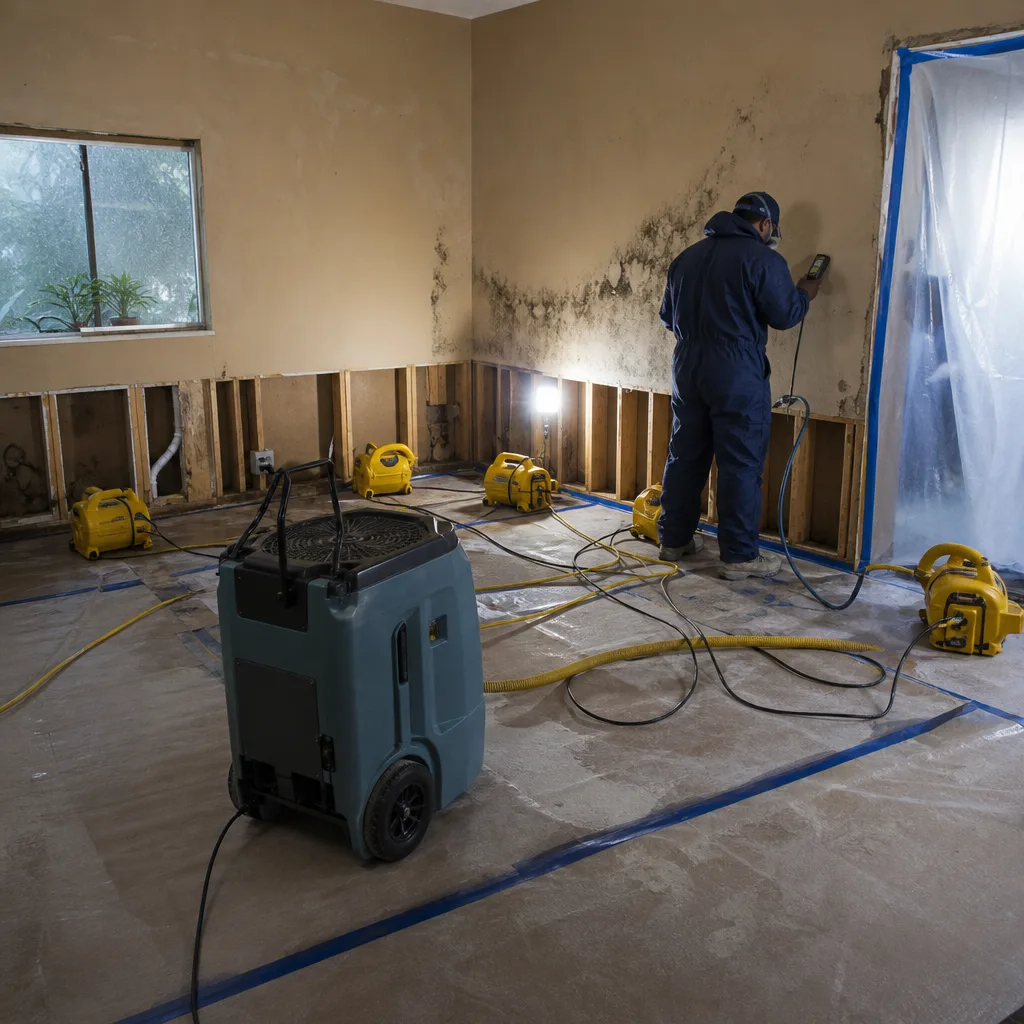
A warning sign without documentation is an anecdote. An insurer requires a timeline. The following protocol produces records that satisfy adjuster scrutiny and support claim payment.
Required Elements for Each Entry
- Date and time: Include the time of day; moisture readings vary with HVAC cycling and outdoor conditions.
- Location relative to a fixed reference point: Not “master bathroom wall” but “north wall of master bathroom, 18 inches west of door jamb, 6 inches above baseboard.”
- Instrument reading: Include make, model, and calibration date if available. For moisture meters, record the scale setting and the reading.
- Photo with ruler or tape measure in frame: The measuring device establishes scale and proves the photo was taken at the documented location. Include a handwritten date slip in the frame.
- Adjacent conditions: Note temperature, RH, HVAC status, recent weather, and any changes since last reading.
Storage and Format
We recommend a dedicated cloud folder with subfolders by date. Each entry gets a numbered photo file and a text document with the five elements above. Email a copy to yourself; the timestamped email creates an unalterable record. If the condition progresses to a claim, this documentation establishes the date of loss and proves the damage was not pre-existing or gradual deterioration excluded by most policies.
At DryMark Restoration Boca Raton home, our standard deliverable on every job includes this documentation format: dated photos, moisture logs with psychrometric data (temperature, RH, vapor pressure, dew point), and a written scope with fixed reference points for every measurement location.
DIY Repair vs. Professional Moisture Investigation
Some warning signs warrant immediate professional involvement; others permit monitored observation. The following criteria are based on 12,000+ homes restored since 2011, every one with a written price before work started and a documented record when the crew left.
DIY Monitoring Is Appropriate When:
- Moisture meter readings are below investigation thresholds and stable or declining over two quarterly measurements.
- The source is identified and stopped: a one-time overflow, a repaired supply line, a sealed window.
- The affected area is less than 10 square feet of visible material and does not involve HVAC ductwork or electrical components.
- Indoor RH returns to 55% or below within 48 hours of source control, documented with hygrometer readings.
Professional Moisture Investigation Is Required When:
- Any moisture meter reading exceeds the investigation threshold for that material and location.
- Multiple locations show simultaneous elevation, suggesting a systemic source (slab leak, roof failure, HVAC condensate).
- Efflorescence is present and expanding, indicating active water migration.
- Indoor RH sustains above 60% despite HVAC operation, suggesting equipment inadequacy or envelope failure.
- Any odor is present. By definition, a musty odor confirms microbial activity that requires professional assessment and remediation protocol.
- The home was built 1978-1995 with polybutylene plumbing, common in Boca Raton subdivisions like Boca Del Mar and Sandalfoot Cove. Systemic deterioration is likely; isolated repair is rarely sufficient.
Professional investigation includes thermal imaging to identify moisture patterns behind finishes, borescopic inspection of wall cavities, and psychrometric analysis to determine the drying capacity required. The output is a written scope with line-item pricing, delivered before any work begins. Haven Standard, Clause 1.
Category-Specific Warning Signs by Damage Type
Water Damage
Beyond the five pre-visible indicators, water damage in Boca Raton presents specific early warnings tied to local conditions. Hurricane season brings wind-driven rain through soffit vents and ridge gaps; the first sign is often rust staining on drywall ceiling corners, appearing 2-6 weeks after the event as the moisture completes its migration path. Irrigation systems in affluent neighborhoods like Royal Palm Yacht & Country Club frequently over-pressurize, producing slab-edge saturation that enters through foundation vents.
Key threshold: Water damage that has reached the subfloor or wall cavity requires professional drying equipment. Consumer dehumidifiers achieve approximately 30 pints per day under optimal conditions; a typical water loss in a Boca Raton home requires 150-400 pints per day of extraction capacity, achieved with Dri-Eaz and Phoenix LGR units running in series with air movement and controlled temperature.
Mold
Mold requires three conditions: moisture source, suitable temperature, and organic food source. Boca Raton provides temperature and food source year-round; control of moisture is the only variable. The pre-visible indicator for mold is not mold itself but the sustained moisture condition that precedes it. Once visible mold appears, the colonization is typically 30-90 days established.
Early mold-specific indicators: darkening of grout lines in showers (not soap scum; test with bleach on a cotton swab; mold darkens further, soap scum lightens), velvety texture on wood surfaces in closets, and increased HVAC filter soiling with dark, fibrous material. The Mold Remediation in Boca Raton page details our containment and air filtration protocols using HEPA-negative air machines.
Fire and Smoke
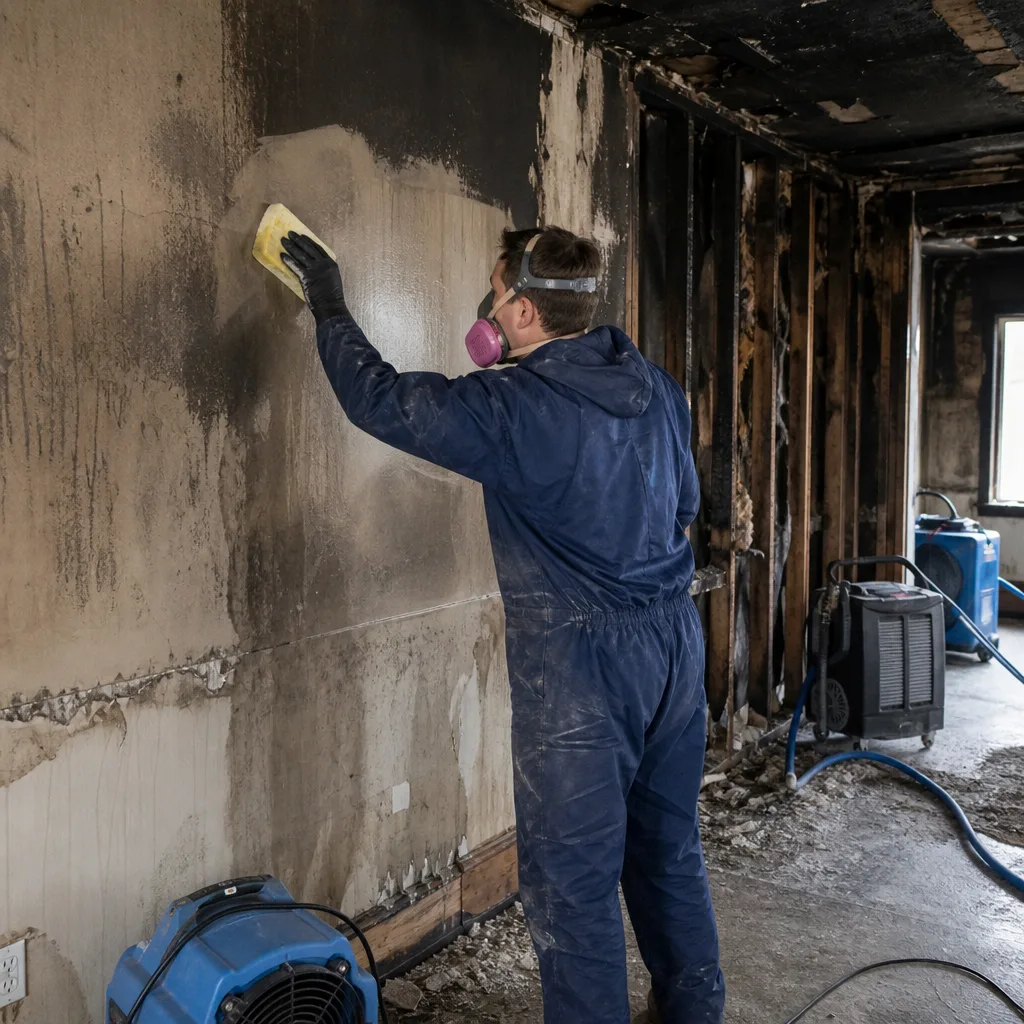
Post-fire warning signs are often chemical rather than visual. Persistent acrid odor after cleaning indicates protein smoke residue, common in kitchen fires, which requires alkaline cleaning agents not available to consumers. Corrosion of metal surfaces (doorknobs, hinges, outlet covers) within 48-72 hours of a fire indicates acidic smoke residue active on the surface; this corrosion progresses to permanent damage without professional intervention.
The Fire & Smoke Damage Restoration in Boca Raton page describes our documentation of smoke damage by type: wet smoke, dry smoke, protein smoke, and fuel oil soot, each requiring distinct cleaning chemistry.
Storm and Disaster
Post-storm warning signs include: roof shingle granules in gutters or downspout discharge (indicates hail or wind damage to the protective layer), water marks on the attic side of roof decking that appear only after several rain events (indicates compromised underlayment), and separation of soffit panels from the fascia (indicates wind uplift that has compromised the roof edge seal).
Sewage and Biohazard
Sewage backup presents immediate health hazards; there are no “early warning signs” that permit DIY assessment. Any sewage intrusion into a structure requires professional remediation under IICRC S500 Category 3 protocols. The warning sign is the backup itself; the critical decision is whether the affected materials are salvageable or must be removed, determined by porosity and contact time, not visual inspection.
Common Mistakes to Avoid
- Waiting for visible stains before acting: In CBS construction, visible staining appears late in the damage sequence. By the time a stain shows on interior drywall, the block cavity may contain gallons of accumulated moisture and established mold colonization.
- Using bleach on mold: Bleach does not penetrate porous materials and leaves water behind that feeds deeper growth. It also destroys the pigment without killing the mycelium, creating a false sense of remediation while the problem progresses.
- Running HVAC continuously without dehumidification: Standard cooling mode removes some moisture but often maintains 60%+ RH in Boca Raton’s climate. The HVAC must be properly charged, with a correctly sized evaporator coil and adequate runtime, to achieve dehumidification. A separate dehumidifier may be necessary.
- Ignoring seasonal water bill fluctuations: Many homeowners compare December to January usage, but the relevant comparison is current month to the same month prior year. Irrigation schedules change seasonally; year-over-year comparison isolates true leaks.
- Documenting without scale references: Photos of damage without a ruler or measuring tape are inadmissible in many claim disputes. The photo proves nothing about extent or progression.
- Assuming new construction is immune: We have documented moisture intrusion in Boca Raton homes less than two years old, typically from failed flashing at balcony doors, missing weep screed at slab edge, or irrigation spray directed at the foundation by landscaping contractors.
- Delaying professional assessment for “minor” odors: A musty odor is never minor. It indicates active microbial metabolism at concentrations that affect indoor air quality and may trigger policy exclusions if not addressed promptly.
When to Call a Professional
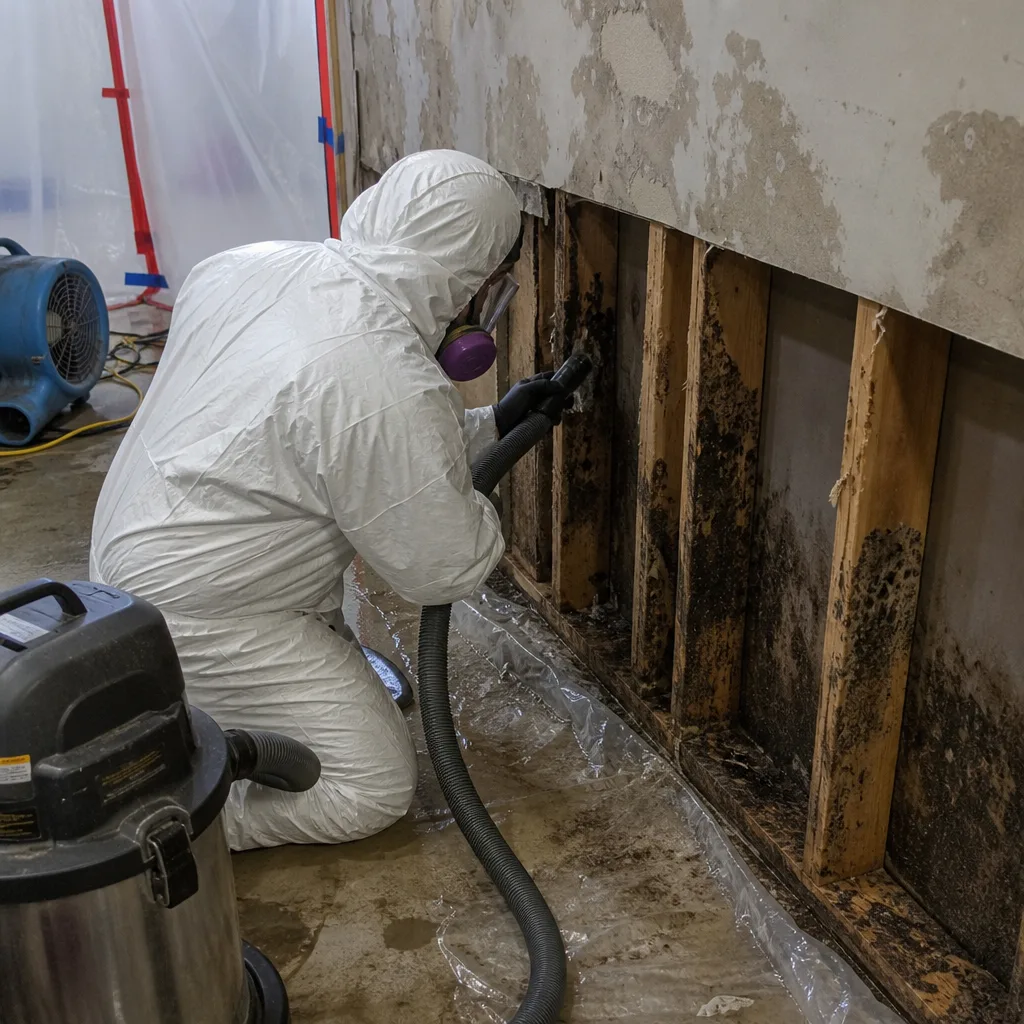
Call a professional when any moisture meter reading exceeds the investigation threshold for that material, when indoor relative humidity sustains above 60% for more than 48 hours, when any odor is present, or when multiple warning signs appear simultaneously. These conditions indicate active moisture dynamics that consumer equipment cannot resolve and that will progress to structural damage, mold colonization, or both.
DryMark Restoration Boca Raton offers free estimates in Boca Raton. A trained technician will arrive with thermal imaging, pin and pinless moisture meters, and borescopic inspection capability. We deliver a written scope with line-item pricing before any work begins, documented to IICRC, RIA, and IFA standards. Every job includes a photo record on every visit and is covered by our 365-Day Done Right Promise under The Haven Standard. Call (754) 247-1426.
Frequently Asked Questions
A professional moisture investigation for a single-family home in Boca Raton typically ranges from $150 to $350, depending on square footage and the number of suspect areas. At DryMark Restoration Boca Raton, we apply this fee toward any remediation work if we perform the restoration. We also offer a Free Second Opinion on any competitor’s written estimate. Call (754) 247-1426 to schedule.
Coverage depends on whether the damage is “sudden and accidental” versus “gradual deterioration,” which most policies exclude. Documenting warning signs with dated photos and moisture readings establishes that you monitored the condition and acted when thresholds were crossed, supporting the sudden-and-accidental characterization. Without documentation, insurers may argue the damage developed over time and deny the claim. We coordinate directly with adjusters and provide the daily drying logs, photo records, and written scopes that turn restoration invoices into payable claims.
Live person answers every call, 24 hours a day, 7 days a week, with no voicemail trees. Emergency dispatch for active water intrusion, sewage backup, or post-fire stabilization is typically under 90 minutes in Boca Raton proper. Reconstruction and non-emergency remediation are scheduled after written scope approval, not dispatched for same-day arrival. Call (754) 247-1426 for current availability.
Visible mold represents the colonized portion; the mycelium typically extends 12-24 inches beyond visible growth in porous materials like drywall and insulation. Surface cleaning addresses pigment only and leaves the active growth, which will reappear within weeks. Professional remediation includes containment, negative air filtration, removal of affected porous materials, and clearance testing to confirm spore counts have returned to ambient levels. The scope is determined by moisture mapping, not visible extent alone.
We do. Our documentation package, delivered in the format adjusters expect, includes the initial moisture investigation report, daily drying logs with psychrometric data, photo records with fixed reference points, and the final clearance documentation. We have direct adjuster relationships with major carriers operating in South Florida and understand the documentation gaps that delay payment. You are not responsible for translating our work into insurance language.
Microclimates matter. A home on the north side of a lake experiences different wind-driven rain exposure than one on the south side. Irrigation spray patterns, tree canopy coverage affecting slab temperature, and slight grade differences in Boca Raton’s flat topography all alter moisture dynamics. We have investigated homes on the same street where one had severe slab-edge moisture and the other was dry, the difference traceable to a single sprinkler head angle and the resulting hydrostatic pressure against the foundation.
The Bottom Line
Warning signs that wait for visibility wait too long. The measurable precursors, sustained indoor RH above 60%, pin moisture meter thresholds, efflorescence, water bill anomalies, and frame swelling, give Boca Raton homeowners a 48-hour to 6-month advance window before structural damage or mold colonization becomes inevitable. The instrument investment is under $80. The documentation protocol requires 30 minutes quarterly. The cost of missing the window is typically $8,000-$25,000 in remediation, plus potential claim denial for gradual deterioration. Document early, measure objectively, and engage professionals when thresholds are crossed. Explore more guides & resources on protecting your Boca Raton home. The evidence you gather is the claim you keep.
Written by Alicia Brennan, Owner at DryMark Restoration Boca Raton, serving Boca Raton since 2011.