
Last updated September 23, 2026
Free visual inspection and a written scope of work before any mitigation begins - photos, moisture readings, and drying logs go in your claim file
The scope we write is the scope we bill. Anything new gets shown to you, in writing, before we touch it.
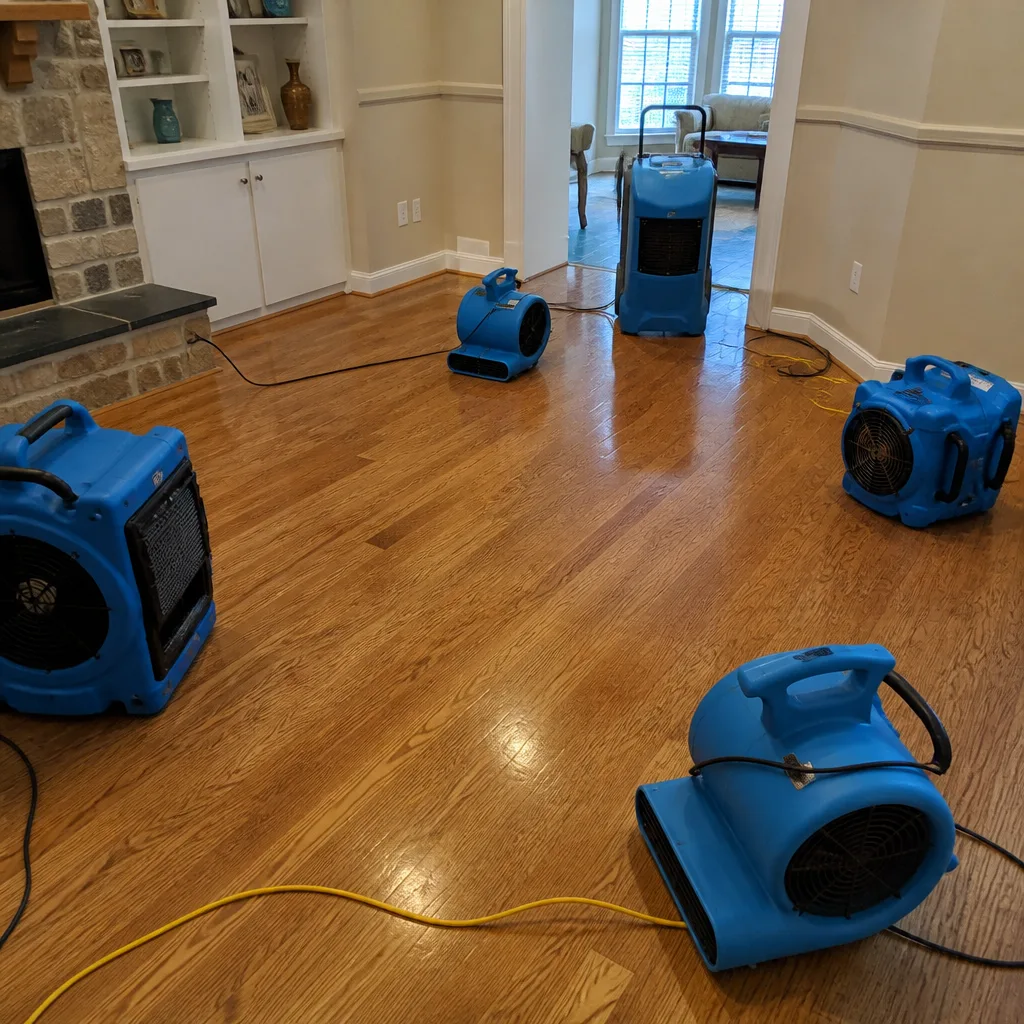

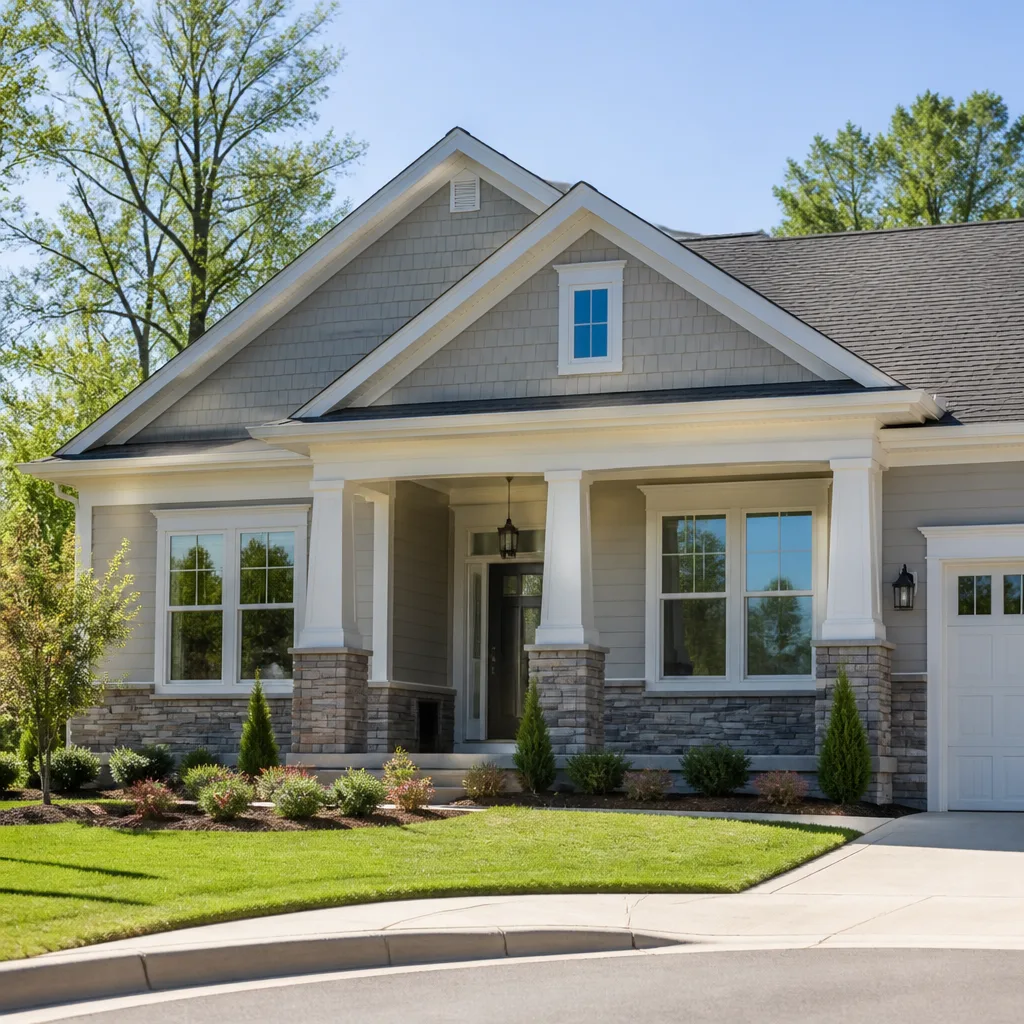
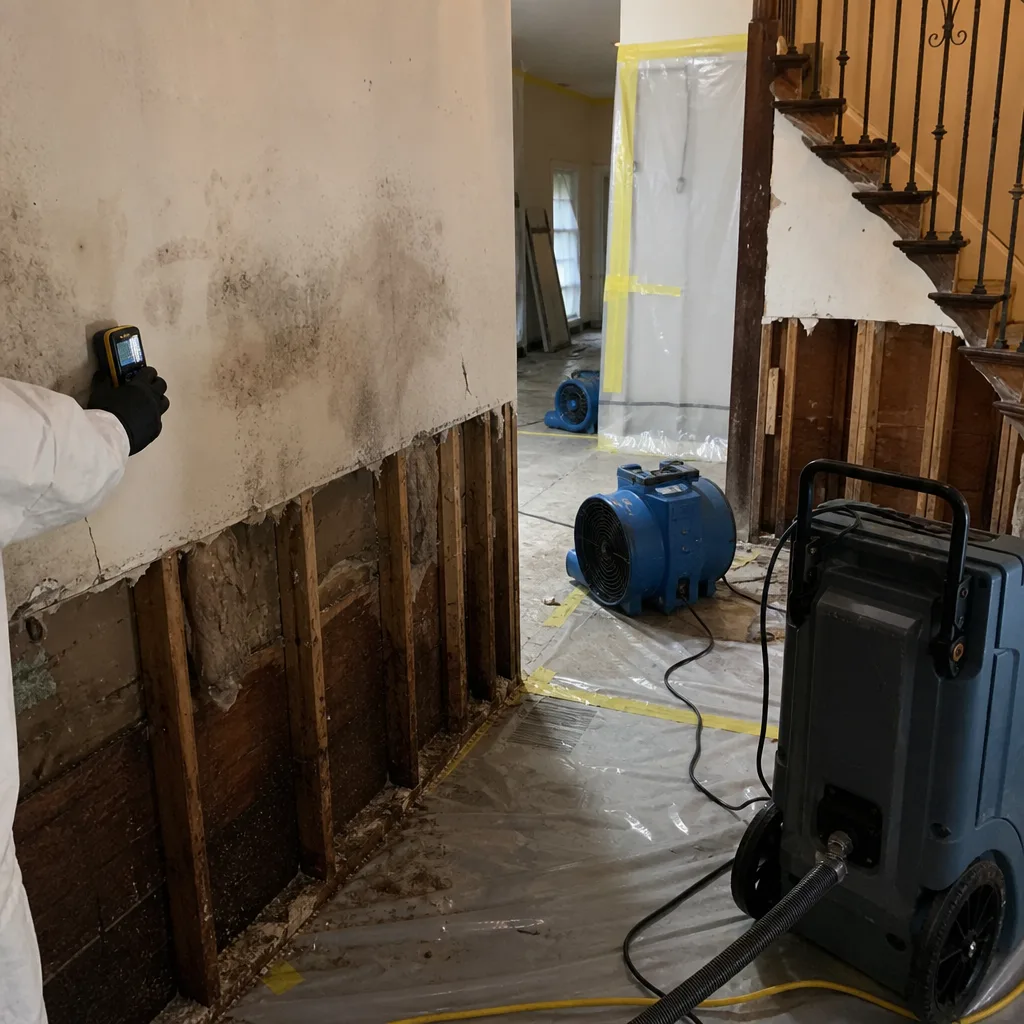 Before
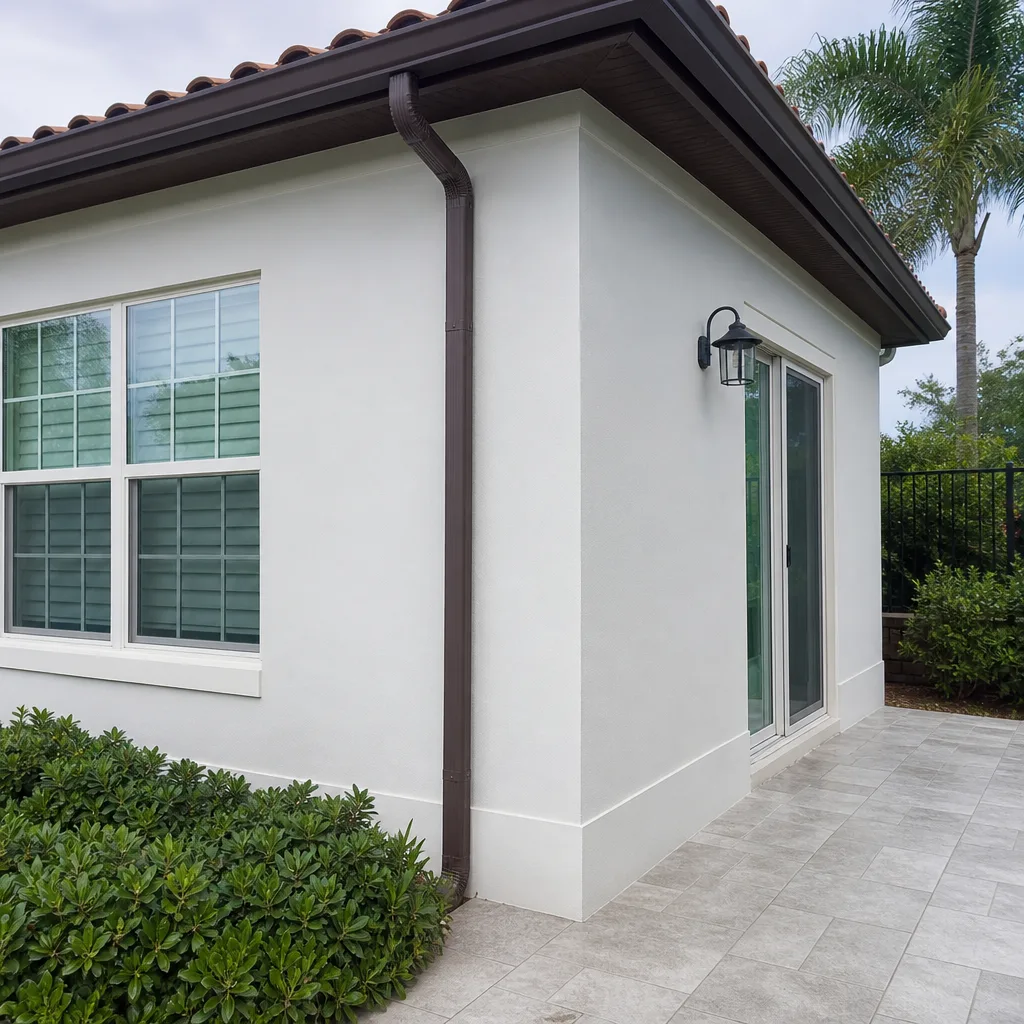 After
After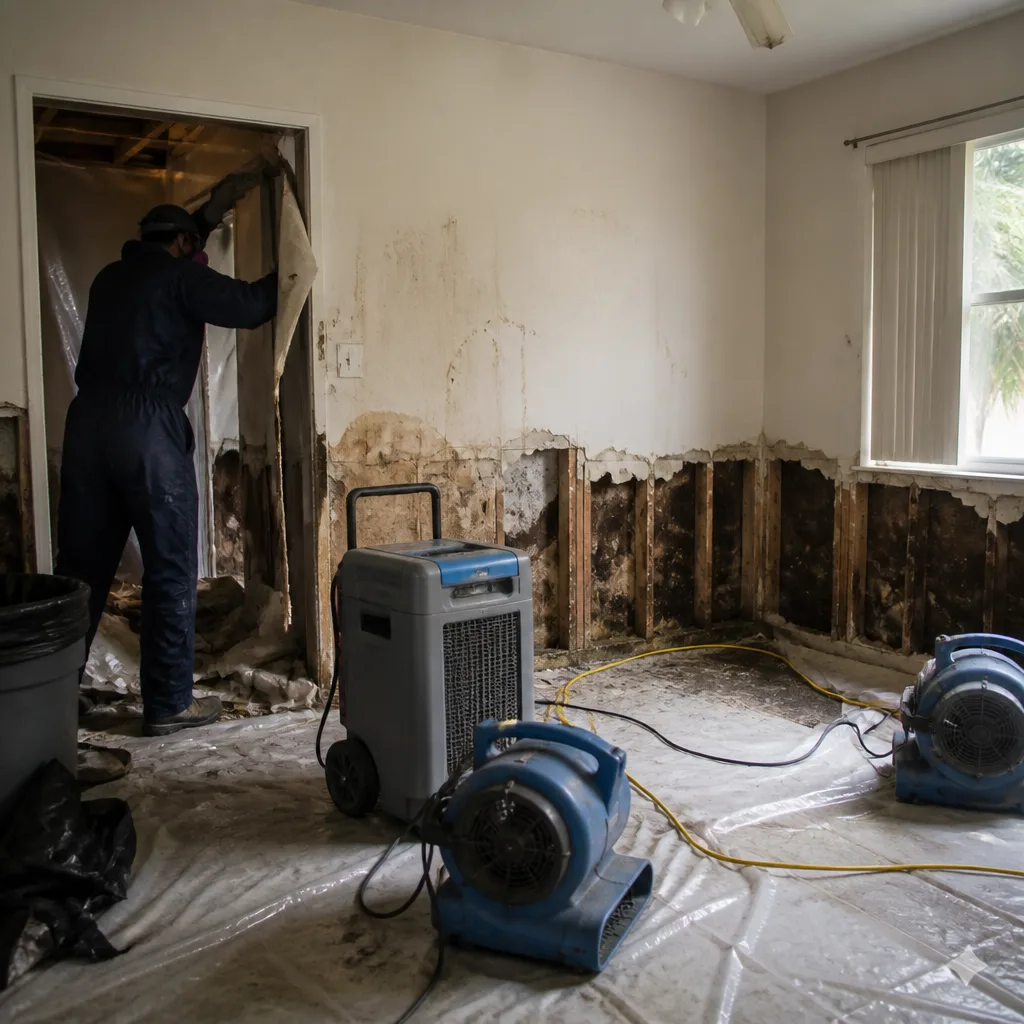 Before
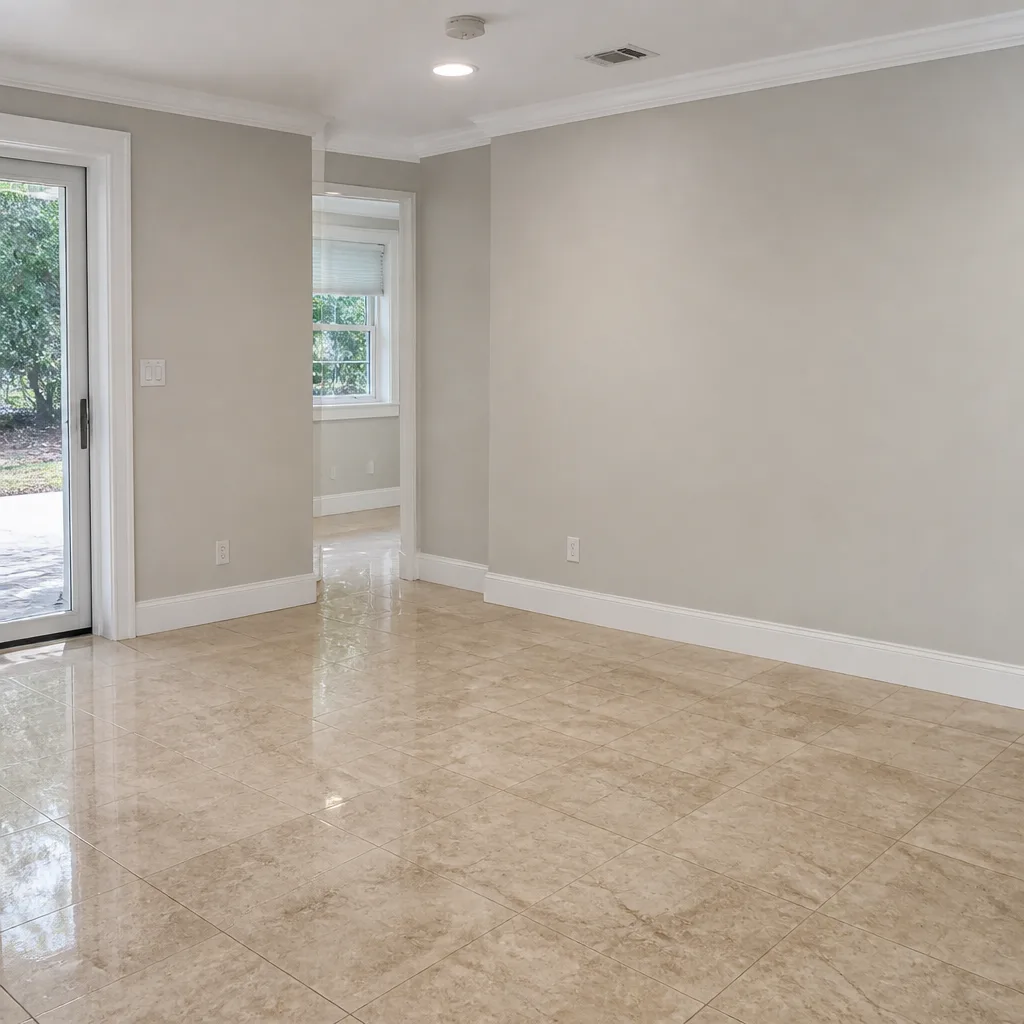 After
After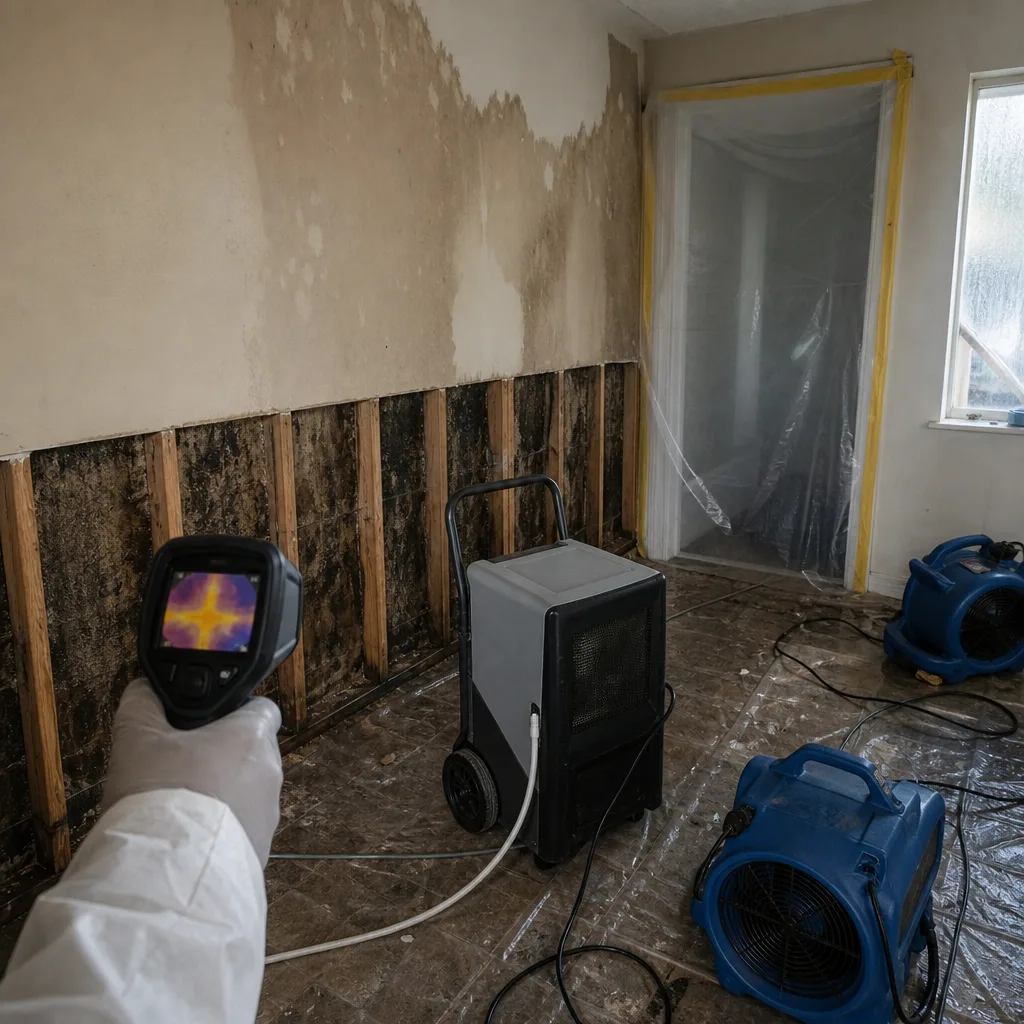 Before
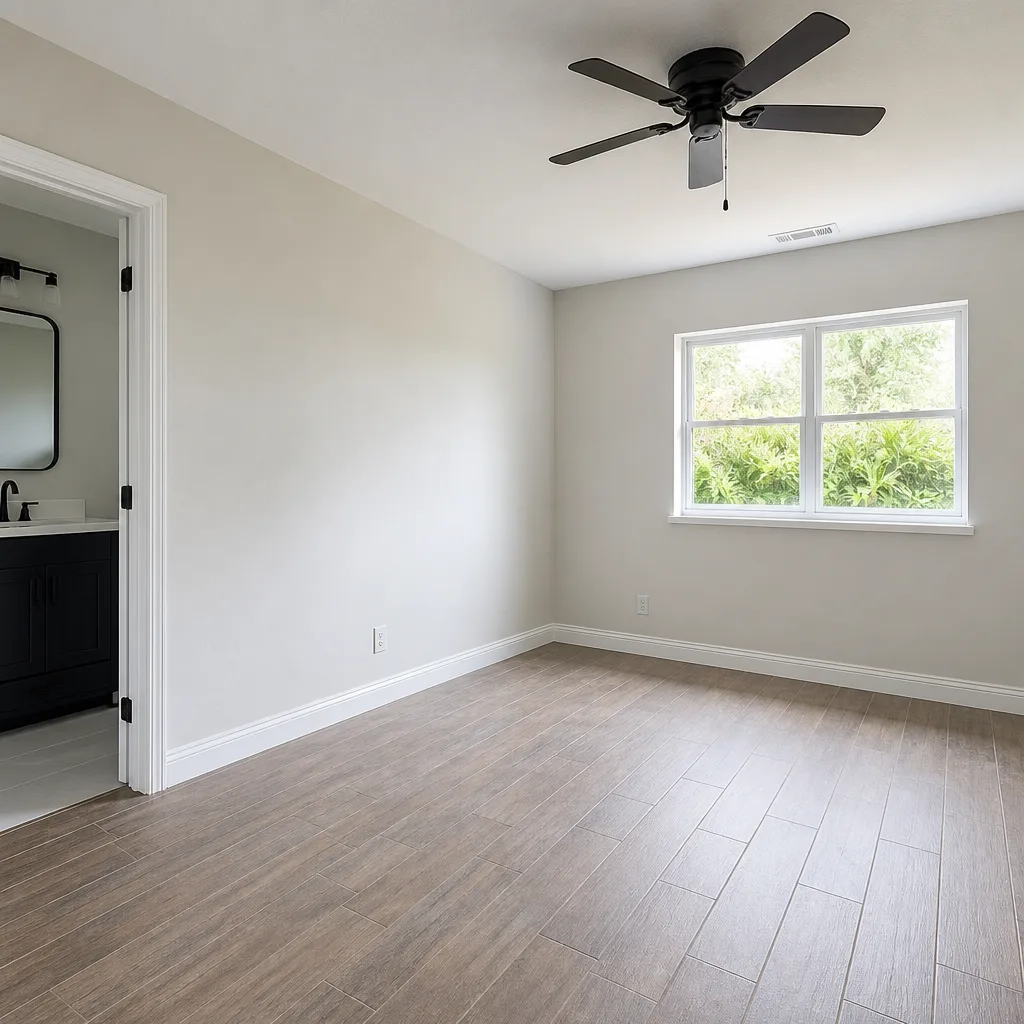 After
AfterHow to Hire a Damage Restoration Contractor in Boca Raton: A Step-by-Step Guide
Storm-chasing contractors have been documented arriving at Boca Raton neighborhoods within two hours of a named storm - before some homeowners have called their insurer - and the contracts they carry are designed to be signed under stress. The single highest-risk moment in any restoration project is the first 20 minutes after a loss, when panic and water damage create a window for decisions you’ll regret for months. This Complete Guide to Damage Restoration in Boca Raton gives you a fixed sequence for vetting any damage restoration contractor, from the five credential checks that protect your claim to the contract language that signals whose interests come first.
Quick Answer
Hiring a damage restoration contractor in Boca Raton requires verifying five credentials before signing anything, demanding a written scope of work with line-item equipment and material lists, and rejecting any contract containing broad Assignment of Benefits language. The contractor who documents moisture baseline readings on day one and calls your insurer with you on the line is the one most likely to produce a clean claim outcome.
Table of Contents
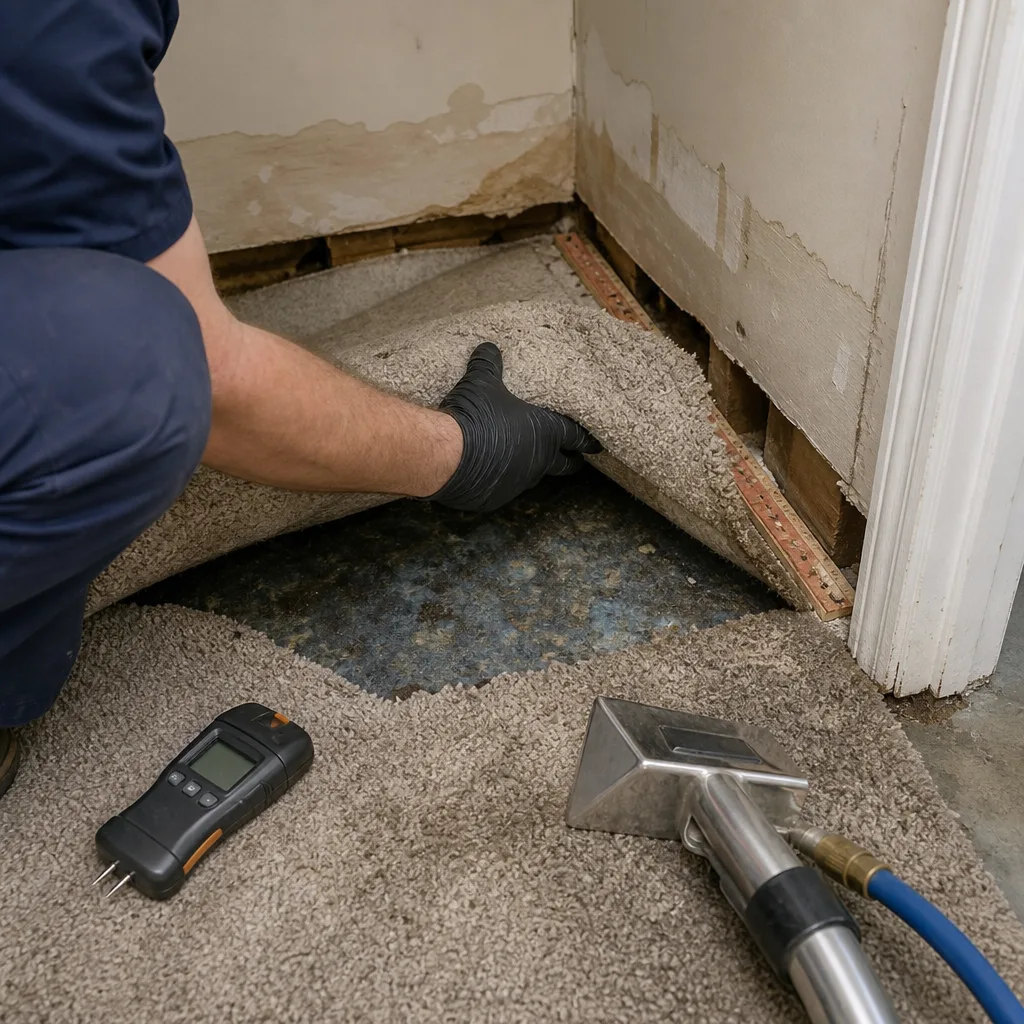
- The Five Credential Checks Every Boca Raton Homeowner Should Complete
- What a Written Scope of Work Must Contain (And Why Verbal Estimates Fail)
- Contract Clauses That Signal Whose Interests Come First
- How to Read a Moisture Mapping Report on the Spot
- Why the Contractor Who Calls Your Insurer With You Wins
- Boca Raton-Specific Risks: Climate, Code, and Market Realities
- Common Mistakes to Avoid
- When to Call a Professional
- Frequently Asked Questions
 Before
 After
AfterThe Five Credential Checks Every Boca Raton Homeowner Should Complete
Before any contractor enters your home in Boca Raton, complete these five verifications in order. Each takes under five minutes, and skipping any one has cost local homeowners their deductible, their claim, or both.
- Florida contractor license lookup. Visit the Florida Department of Business and Professional Regulation license verification portal. Enter the contractor’s license number and confirm status is “Current/Active.” Check for any disciplinary actions in the past 36 months. In Florida, restoration work exceeding $1,000 requires a licensed contractor; unlicensed operators are a recurring problem in Palm Beach County after major weather events.
- IICRC firm certification. The Institute of Inspection, Cleaning and Restoration Certification maintains a public firm locator. Verify the company appears as a certified firm, not just that individual technicians hold certificates. IICRC-certified firms are bound to documented standards for water damage restoration (S500), mold remediation (S520), and fire and smoke restoration (S700). At DryMark Restoration Boca Raton, we document all work to IICRC, RIA, and IFA standards - the daily drying logs that turn restoration invoices into payable insurance claims.
- General liability certificate of insurance. Request a certificate directly from the contractor’s insurance broker, not from the contractor. Confirm coverage is active, naming your property address if possible, with minimum limits of $1 million per occurrence. Verify the policy includes pollution liability for mold and sewage work. We’ve seen certificates presented in Boca Raton that were cancelled weeks prior.
- Workers’ compensation verification. Florida requires workers’ comp for construction trades with employees. Verify through the Florida Division of Workers’ Compensation online proof of coverage system. If a worker is injured on your property and the contractor lacks coverage, your homeowner’s policy may be drawn into litigation.
- Better Business Bureau standing. Check the BBB profile for complaint patterns, not just the rating. Look specifically for complaints about billing disputes, incomplete work, and insurance claim issues. A pattern of complaints about any one category is more predictive than a single recent review.
Complete these checks before the contractor’s first visit. A legitimate operator expects this sequence and has documentation ready. Anyone who pushes back, rushes you, or claims verification “takes too long” has identified themselves as someone to avoid.
What a Written Scope of Work Must Contain (And Why Verbal Estimates Fail)
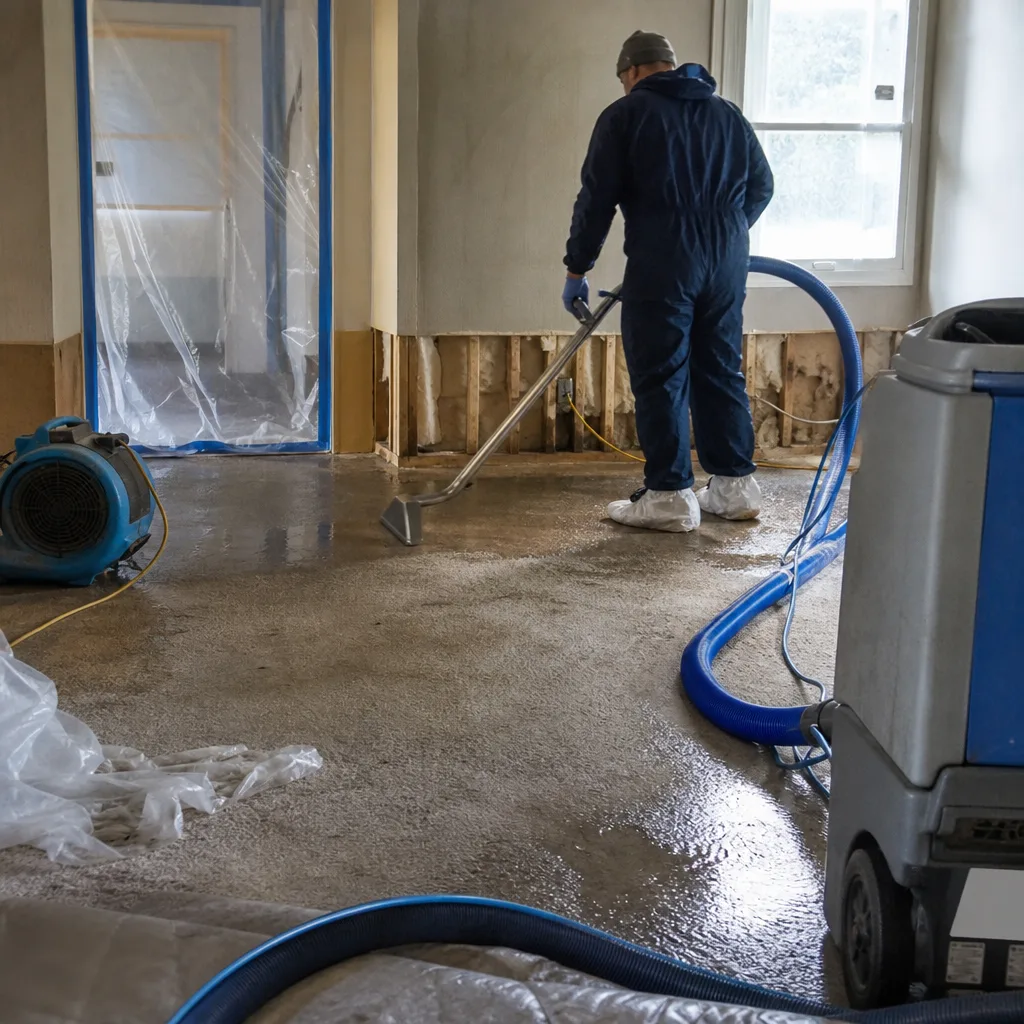
Haven Standard, Clause 1: written price before work begins. This exists because verbal estimates in restoration work are not estimates at all - they’re invitations to scope creep once the crew is inside and the homeowner is committed.
A legitimate written scope of work for restoration in Boca Raton must contain these elements, minimum:
- Line-item equipment list. Specific dehumidifier models (Dri-Eaz LGR 7000XLi, Phoenix R200), air mover counts (XPOWER P-230AT), and specialty drying systems (Injectidry HP60 for hardwood or cabinet drying). Each item tied to a specific room or affected area.
- Affected material list. Every wet or damaged material identified by trade name and location: “Oak engineered flooring, 340 sq ft, living room, moisture content 28% at 3/4″ depth.” This prevents the “we’ll see what we find” expansion that doubles invoices.
- Projected drying goal in days. A psychrometric drying plan with daily target moisture readings, not open-ended daily rates. Psychrometrics is the measurement of air temperature, relative humidity, and vapor pressure differential - the science that determines how fast materials actually dry, not how long equipment runs.
- Written price for the complete scope. Total project cost, payment schedule, and conditions for any change order. At DryMark Restoration Boca Raton, this is delivered before anyone starts work, every time, with no exceptions.
- Documentation deliverables. Photo record on every visit, daily moisture logs, and final clearance readings. These are standard deliverables, never upsells.
The verbal estimate fails because it contains none of these. It gives a contractor room to discover “additional damage” at premium rates, to extend equipment rental indefinitely, and to produce documentation too thin for your insurer to approve. We’ve reviewed competitor invoices in Boca Raton where equipment ran for 14 days on a loss that should have dried in five, with no daily moisture logs to justify the extension.
Water Damage Restoration in Boca Raton requires this documentation discipline because the humid subtropical climate extends drying timelines when not actively managed. A written scope forces that management.
Contract Clauses That Signal Whose Interests Come First
Restoration contracts in Boca Raton often contain language that appears standard but functionally assigns control of your claim to the contractor. Read for these specific patterns before signing.
Broad Assignment of Benefits (AOB) language. Florida has tightened AOB regulation, but contractors still embed versions that grant the right to “negotiate, settle, and litigate” insurance claims on your behalf. A narrow AOB limited to “direct payment of approved amounts” is defensible; broad AOB language that transfers your policy rights is not. The contractor who prioritizes their relationship with your insurer over your interests typically leads with this clause.
Open-ended authorization clauses. Language like “contractor is authorized to perform all work necessary to restore property to pre-loss condition” without dollar caps or material specifications. This is an invitation to unlimited billing.
Direction to pay without contingency. Clauses directing your insurer to pay the contractor directly regardless of whether your claim is approved, denied, or underpaid. You remain liable for the difference.
Waiver of appraisal rights. Any clause preventing you from invoking the appraisal process in a coverage dispute. This removes your primary dispute-resolution tool.
Pre-loss condition definitions. Vague standards like “return to satisfactory condition” rather than specific material matching, code compliance, and documented moisture clearance. The difference determines whether your Mold Remediation in Boca Raton is actually complete or merely declared complete.
The Haven Standard addresses this directly: written price before work begins, with no scope-creep additions once the crew is inside. If a contract doesn’t match that standard, it serves someone else’s interests.
How to Read a Moisture Mapping Report on the Spot
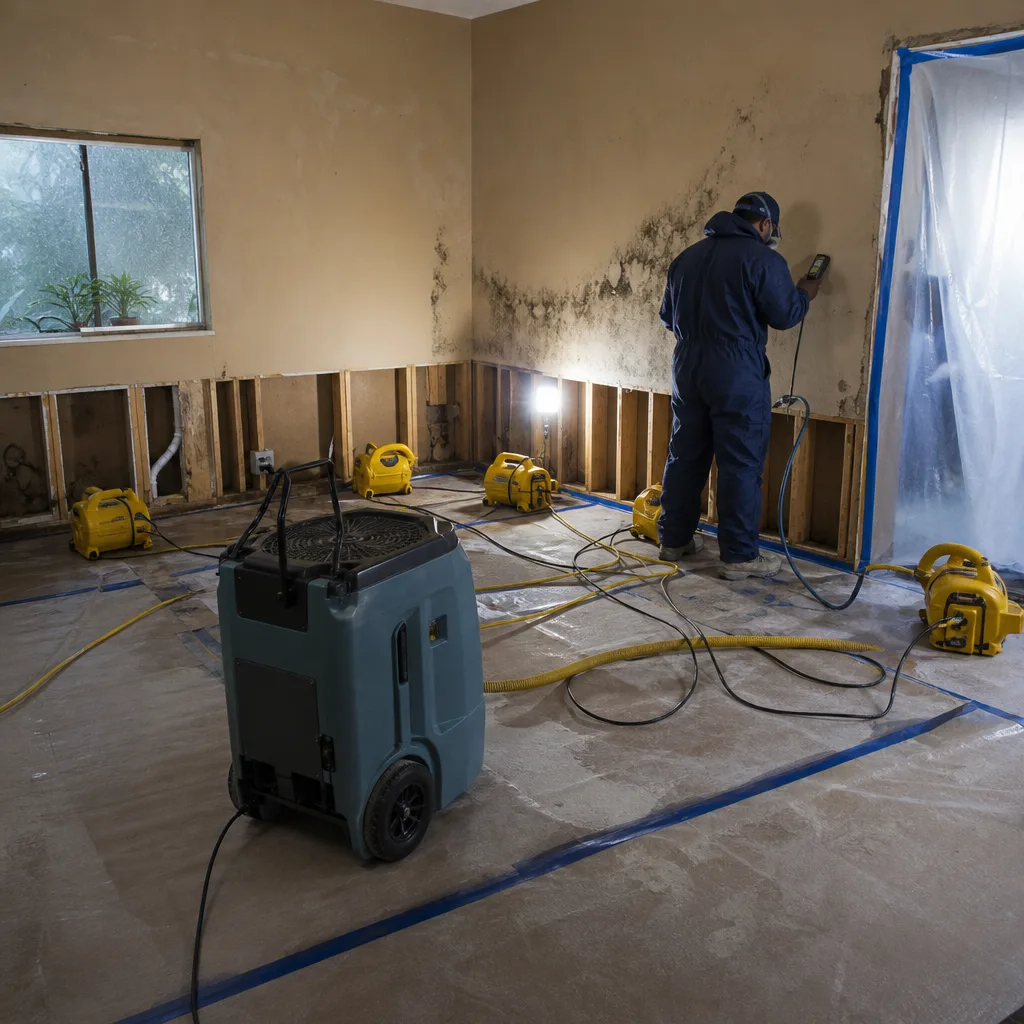
Moisture mapping is the baseline documentation that determines whether your drying plan is legitimate or fabricated after the fact. When a contractor presents a moisture map, verify these elements before they begin work.
What legitimate baseline readings contain:
- Date and time stamp for every reading, photographed where possible
- Specific meter used (Protimeter Surveymaster, Delmhorst BD-2100) and scale (wood moisture equivalent, reference scale, or actual percentage)
- Room-by-room grid with readings at multiple depths: surface, 1/2″, and 3/4″ for flooring; multiple heights for drywall
- Untouched control reading from an unaffected area of the same home, establishing normal baseline for that structure
- Technician signature and license number
What fabricated or after-the-fact documentation looks like:
- Round numbers throughout (18.0%, 22.0%, 25.0%) rather than the variable readings actual moisture meters produce
- Single-depth readings only, missing the gradient that shows water migration
- No control reading from an unaffected area
- Identical timestamp for all readings despite multiple rooms
- Readings that don’t match visible damage (drywall reading 8% directly below a ceiling stain)
Ask the contractor to explain one reading: what meter, what scale, what depth, what it means for the drying plan. A technician who cannot answer in plain language is reading from a document they did not create. At DryMark Restoration Boca Raton, every moisture map is photographed with the meter in frame, timestamped, and included in the photo record delivered to you and your adjuster.
Tertiary drying - the final phase where vapor pressure differential drives residual moisture from deep materials - is where most documentation fails. A legitimate report shows the progression through primary (surface water removal), secondary (evaporation), and tertiary (bound moisture) phases with readings that support each transition.
Why the Contractor Who Calls Your Insurer With You Wins
The restoration industry’s dirty secret is that many contractors prefer to work around adjusters rather than with them. They know that documented, transparent communication produces faster approvals but lower per-job revenue. The contractor who calls your insurer with you on the line is choosing the harder path that produces cleaner claims.
Here’s what that call should accomplish:
- Claim number established and contractor noted as vendor of record. This prevents the “out of network” disputes that delay payment.
- Adjuster and contractor exchange direct contact information. You are copied on all communication. No back-channel negotiations.
- Scope of work reviewed verbally with adjuster before work begins. Not for approval - that’s the adjuster’s job on site - but for alignment on approach and documentation standards.
- Photo documentation protocol confirmed. What the adjuster needs, when they need it, in what format. IICRC, RIA, and IFA documentation standards are the common language that makes this efficient.
- Payment authorization confirmed. Direct billing or homeowner reimbursement, with amounts and timing specified.
The contractor who avoids this call, who says “we’ll handle the insurance,” who asks you to sign documents before the adjuster sees the loss - this contractor is optimizing for their revenue, not your claim outcome. In Boca Raton’s insurance market, where Citizens Property Insurance and multiple private carriers operate with varying documentation requirements, this distinction matters.
We’ve handled claims in Boca Raton where the adjuster’s first site visit happened on day three because the prior contractor never notified them. By then, emergency mitigation was complete, documentation was thin, and the homeowner faced a coverage dispute that lasted months. The 15-minute call on day one prevents this.
Fire & Smoke Damage Restoration in Boca Raton particularly requires this coordination, as smoke damage scope is inherently disputed and documentation from day one determines whether contents cleaning, structural cleaning, or full reconstruction is authorized.
Boca Raton-Specific Risks: Climate, Code, and Market Realities
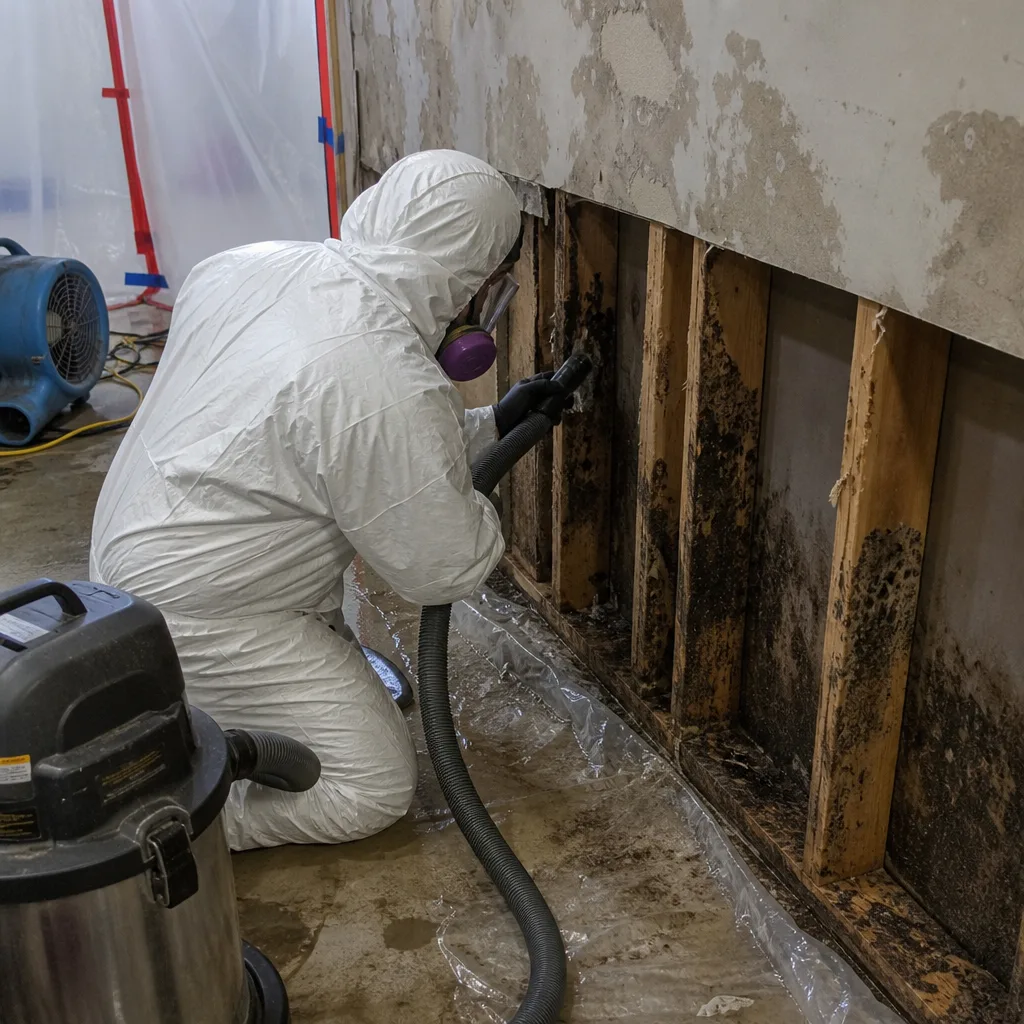
Boca Raton’s location on Florida’s Atlantic coast creates restoration challenges that inland contractors underestimate. Understanding these local factors - and reviewing our Seasonal Damage Restoration Care for Boca Raton: Year-Round Homeowner’s Guide - helps you evaluate whether a contractor actually knows this market.
Climate and drying dynamics. Boca Raton’s average relative humidity hovers near 75% annually, with summer months exceeding 80%. This means ambient air cannot absorb moisture efficiently without mechanical dehumidification. A contractor using residential-grade equipment or insufficient dehumidifier capacity will extend drying timelines and increase secondary damage risk. The LGR (low grain refrigerant) dehumidifiers we deploy - Dri-Eaz and Phoenix units - are specified precisely because they achieve the low specific humidity required in this climate.
Hurricane season and storm-chasing contractors. June through November brings documented influxes of out-of-state restoration contractors to Palm Beach County. These operators often lack Florida licensure, carry insurance from states with different requirements, and disappear when warranty issues arise. Verify license status through Florida’s DBPR system, not the contractor’s word. In Boca Raton neighborhoods like Boca Del Mar and Whisper Walk, we’ve seen storm-chasers operating from unmarked trucks with out-of-state plates within hours of tropical storm warnings.
Building code and flood zone considerations. Boca Raton’s flood zones (AE, VE, and X zones across the city) determine elevation requirements and material specifications for reconstruction. A contractor unfamiliar with Palm Beach County amendments to the Florida Building Code may specify materials or methods that fail inspection. Post-Hurricane Irma, we encountered multiple jobs where prior contractors had installed non-flood-damage-resistant materials below base flood elevation, requiring complete removal and replacement.
Mold timeline acceleration. In Boca Raton’s climate, mold growth on wet materials begins within 48-72 hours, faster than the 72-96 hour window typical in drier regions. This compresses the decision timeline for water damage response but should not compress your vetting process. The contractor who arrives fastest is not necessarily the contractor who arrives prepared. DryMark Restoration Boca Raton home maintains live phone coverage 24 hours a day, 7 days a week precisely so you can complete credential verification without sacrificing response speed.
Insurance market complexity. Boca Raton homeowners may carry policies from Citizens Property Insurance, standard private carriers, or surplus lines companies, each with distinct documentation requirements and preferred vendor programs. A contractor who knows which carriers require which moisture log formats, which accept photo documentation via specific platforms, and which mandate independent mold assessment before remediation - this contractor produces faster, cleaner claims.
Common Mistakes to Avoid
- Signing before verifying credentials. The contractor who pressures you to sign an authorization “so we can start work” before you’ve completed the five license and credential checks is creating a commitment you cannot easily unwind. In Boca Raton’s competitive post-storm environment, this pressure is common and costly.
- Accepting a verbal estimate for emergency work. Emergency mitigation should still produce a written scope with line-item pricing. “We’ll figure it out after we open it up” is not a plan; it’s a pricing strategy that favors the contractor.
- Ignoring equipment specifications. A contractor who specifies “four dehumidifiers and six air movers” without model numbers, capacity ratings, or room assignments is not providing a scope. They’re providing a category. Demand specificity.
- Letting the contractor handle insurance communication alone. The contractor who excludes you from adjuster calls, who presents “settled” numbers you never approved, who directs payment without your knowledge - this contractor has converted your claim to their revenue stream.
- Failing to document pre-existing conditions. Photograph everything before work begins. In Boca Raton’s older neighborhoods like Old Floresta, pre-existing settling cracks, prior water stains, and worn finishes are common. Without documentation, these become disputes about whether damage is new or pre-existing.
- Neglecting to confirm warranty terms in writing. The 365-Day Done Right Promise at DryMark Restoration Boca Raton is a signed guarantee under The Haven Standard, not a verbal assurance. Any warranty should specify duration, coverage scope, response time for claims, and whether it transfers to subsequent owners.
- Choosing based on arrival speed alone. In Boca Raton’s humid climate, fast response matters. But a contractor who arrives in 30 minutes with no credentials, no written scope, and no documentation protocol will cost more than one who arrives in 90 minutes fully prepared.
When to Call a Professional
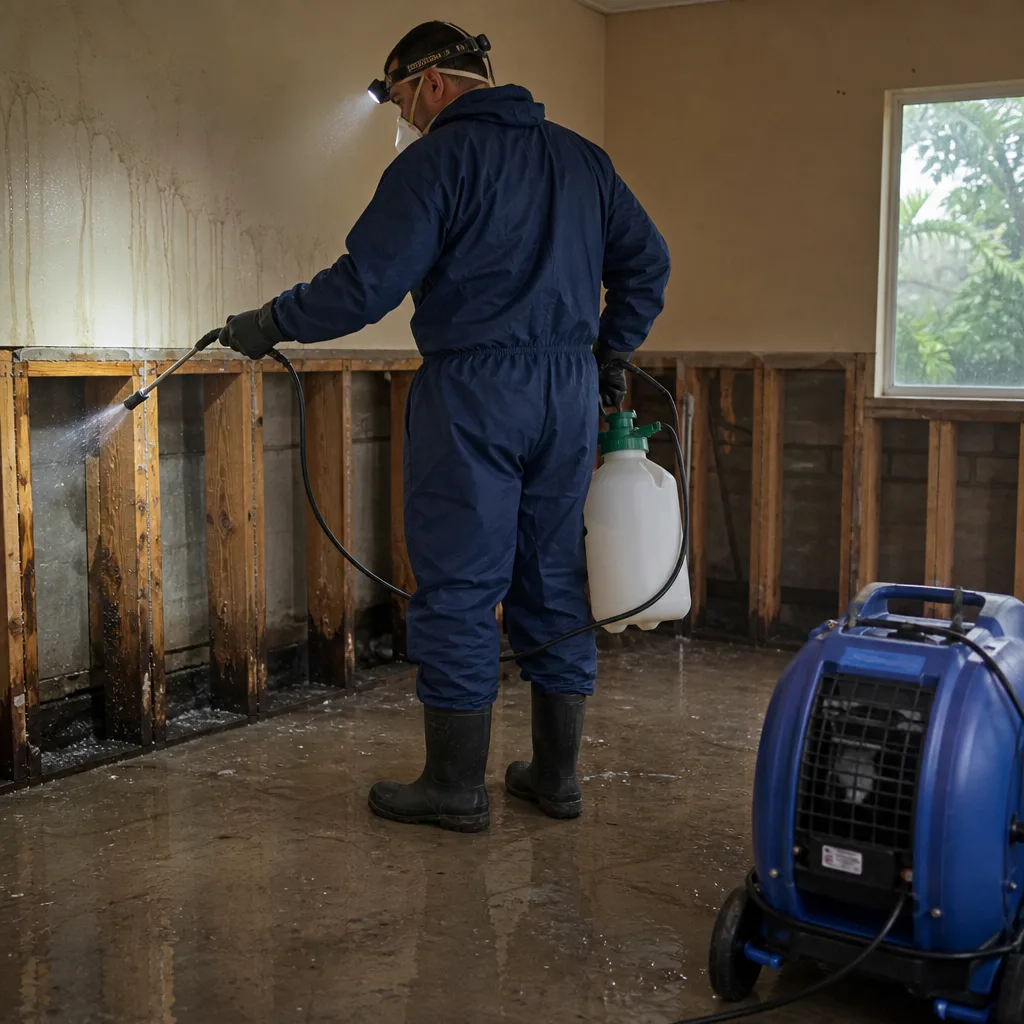
Call a damage restoration contractor immediately when: water has affected finished surfaces or penetrated wall cavities; you smell musty or earthy odors suggesting hidden mold; fire damage has occurred regardless of visible extent; sewage or gray water contamination is present; or storm damage has compromised the building envelope. In each case, delay increases damage scope and cost.
DryMark Restoration Boca Raton offers free estimates in Boca Raton. Call (754) 247-1426. Every estimate includes a written scope with line-item pricing before any work begins, documented to IICRC standards, backed by the 365-Day Done Right Promise under The Haven Standard. We also provide a Free Second Opinion on any competitor’s written estimate at no charge.
Frequently Asked Questions
Water damage restoration in Boca Raton typically ranges from $1,200 for limited clean water extraction and drying to $8,500+ for Category 3 losses with contaminated water, extensive material removal, and full reconstruction. Category 1 clean water losses with prompt response average $2,500-$4,500 for a single affected room with standard drying and minimal material replacement. Costs increase with water contamination level, affected square footage, and whether specialty drying systems like Injectidry are required for hardwood or cabinet preservation. Call (754) 247-1426 for a written estimate with exact pricing - estimates are free and delivered before any work begins under Haven Standard, Clause 1.
Insurance coverage depends on your policy type, the cause of loss, and documentation quality. Sudden and accidental water damage is typically covered; gradual leaks and maintenance issues are not. The contractor who documents moisture baseline readings, produces daily drying logs, and maintains a photo record on every visit produces the documentation that supports full coverage. Contractors who work around adjusters rather than with them create the documentation gaps that lead to underpayment or denial. We coordinate directly with your adjuster, with you on the call, to align scope and documentation from day one.
Legitimate restoration contractors in Boca Raton typically arrive within 1-2 hours for emergency water damage during normal operations, and within 2-4 hours during major storm events when demand surges. Response time matters, but arrival without credentials, equipment, or documentation capability is not a response - it’s a sales call. Verify that the contractor en route has completed your five credential checks and can produce a written scope on arrival. Our live phone coverage means you’ll speak to a person, not a voicemail tree, who can confirm technician dispatch and estimated arrival.
DIY cleaning is appropriate only for Category 1 clean water losses under 10 square feet with no penetration into wall cavities, no HVAC contamination, and no sensitive occupants (infants, elderly, immunocompromised). All other scenarios require professional assessment. In Boca Raton’s climate, water that reaches drywall, insulation, or subflooring creates mold conditions within 48-72 hours. Category 2 and 3 water, fire and smoke damage, and any suspected mold require professional containment, air filtration, and documented clearance testing. We provide free second opinions on any competitor’s scope if you’re uncertain whether proposed work is necessary.
A legitimate written restoration estimate must include: line-item equipment list with model numbers and room assignments; affected material list with measurements and moisture readings; projected drying timeline with daily target readings; total project cost with payment schedule; and documentation deliverables including photo record and moisture logs. Verbal estimates, lump-sum pricing without material specifications, and open-ended daily rates are not legitimate scopes. Haven Standard, Clause 1 requires a written price before work begins, every time, with no exceptions.
Both. You retain control of your claim; the contractor provides the technical documentation that supports it. The optimal process is a three-way call on day one where you, your contractor, and your adjuster align on scope, documentation requirements, and payment authorization. Contractors who ask you to “sign over” insurance communication, who present themselves as your exclusive representative, or who negotiate settlements without your participation are prioritizing their interests. We document every job to IICRC, RIA, and IFA standards specifically so your adjuster has the clear, defensible evidence required for prompt approval.
The Bottom Line
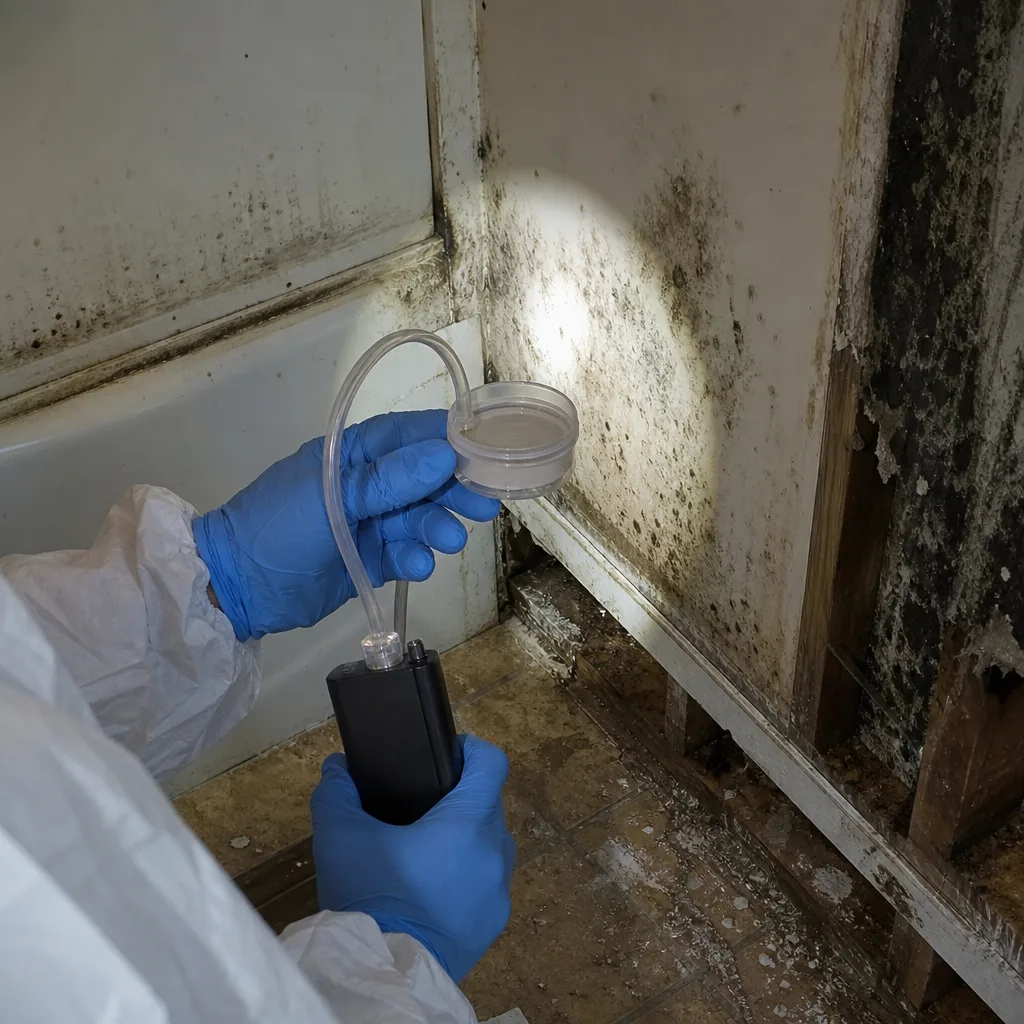
Hiring a damage restoration contractor in Boca Raton is a due-diligence process, not a reaction to whoever arrives first. For more guides & resources, see our blog. Complete five credential checks before signing anything. Demand a written scope with line-item equipment, affected materials, and projected drying goals. Reject broad Assignment of Benefits language and any contract that transfers your claim control. Verify moisture mapping documentation on the spot, and insist on coordinated communication with your insurer from day one. The contractor who welcomes this scrutiny, who documents everything, and who puts a written price before work begins - this is the contractor who protects both your property and your claim.
Written by Alicia Brennan, Owner at DryMark Restoration Boca Raton, serving Boca Raton since 2011.