
Last updated September 23, 2026
Free visual inspection and a written scope of work before any mitigation begins - photos, moisture readings, and drying logs go in your claim file
The scope we write is the scope we bill. Anything new gets shown to you, in writing, before we touch it.
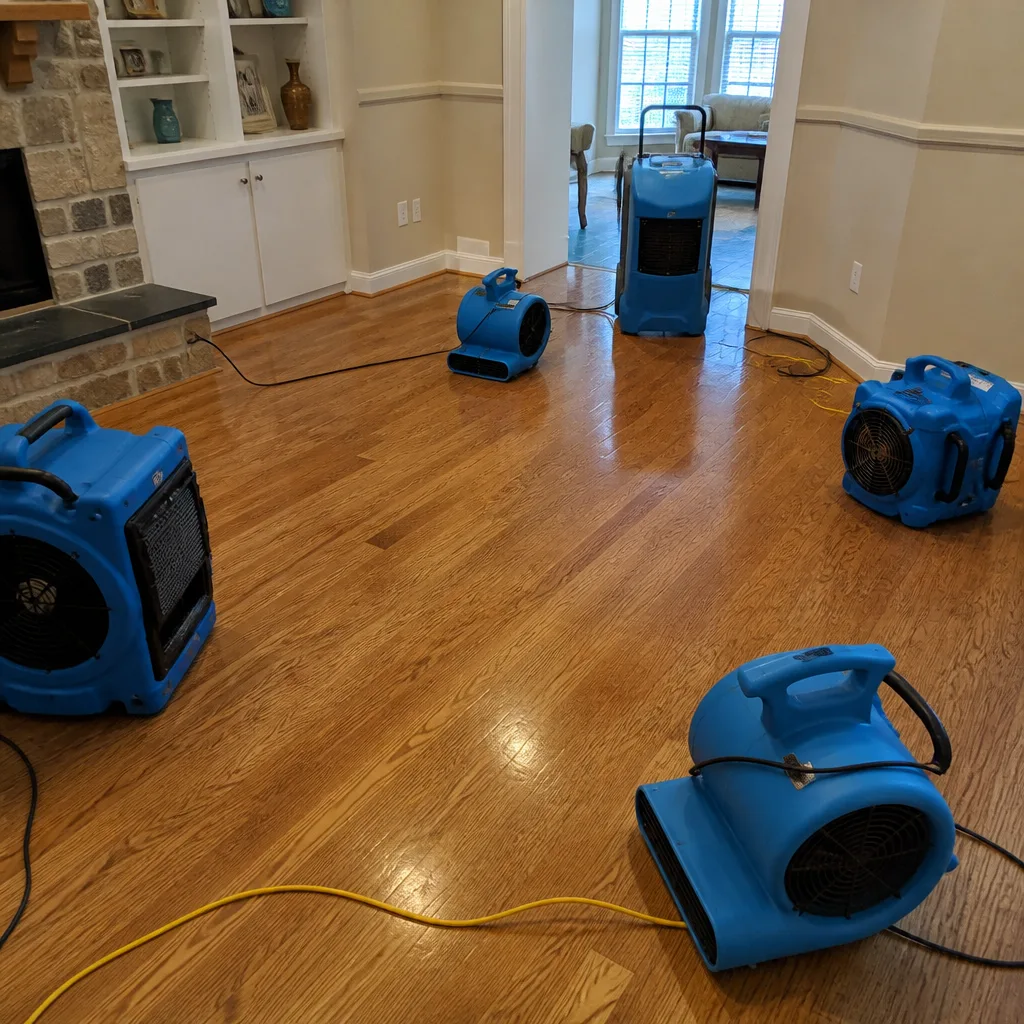
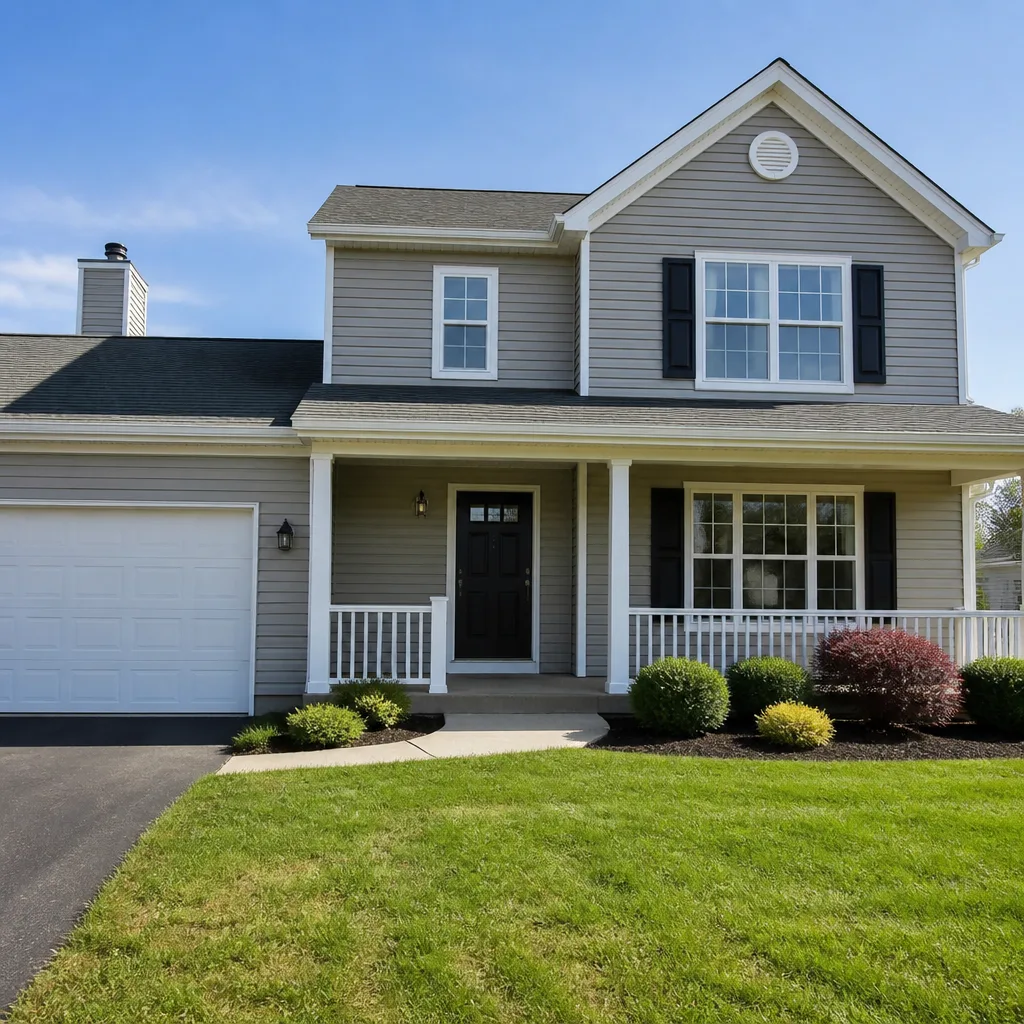
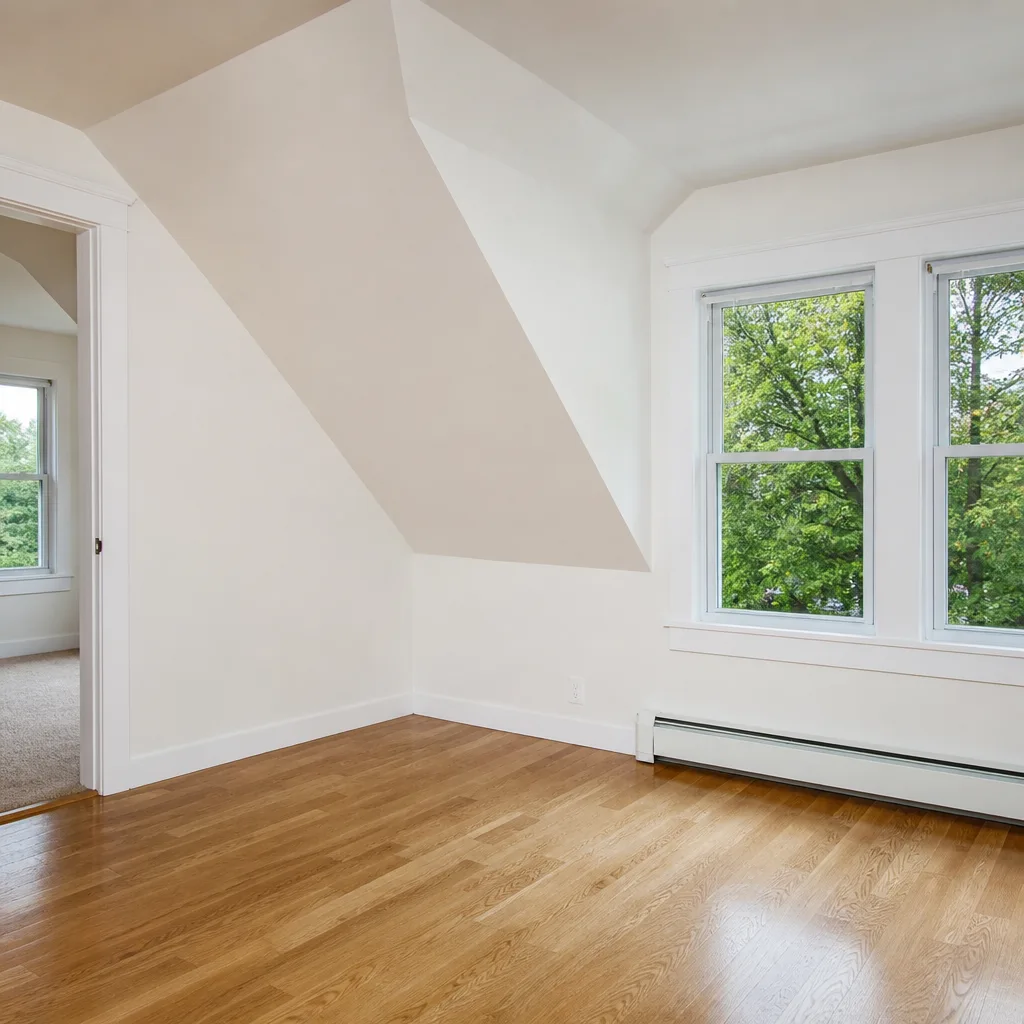

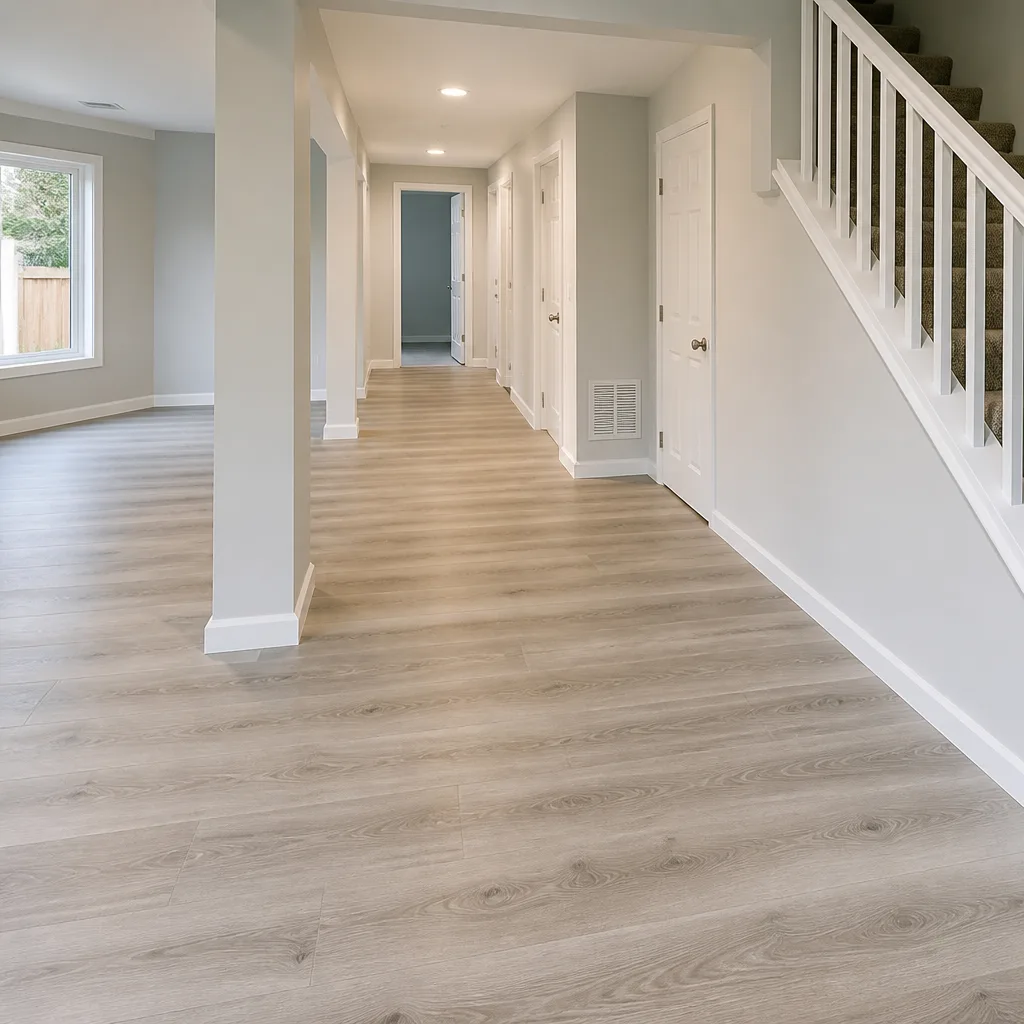

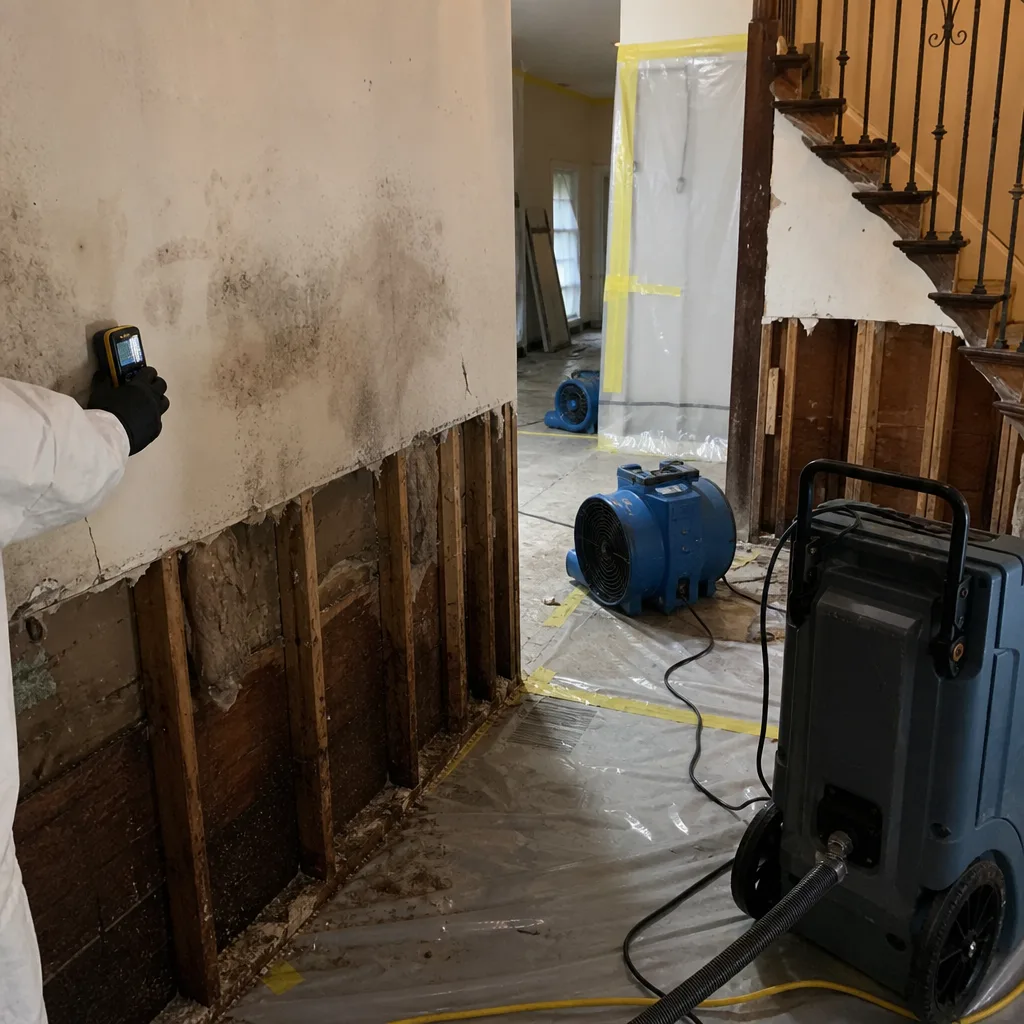 Before
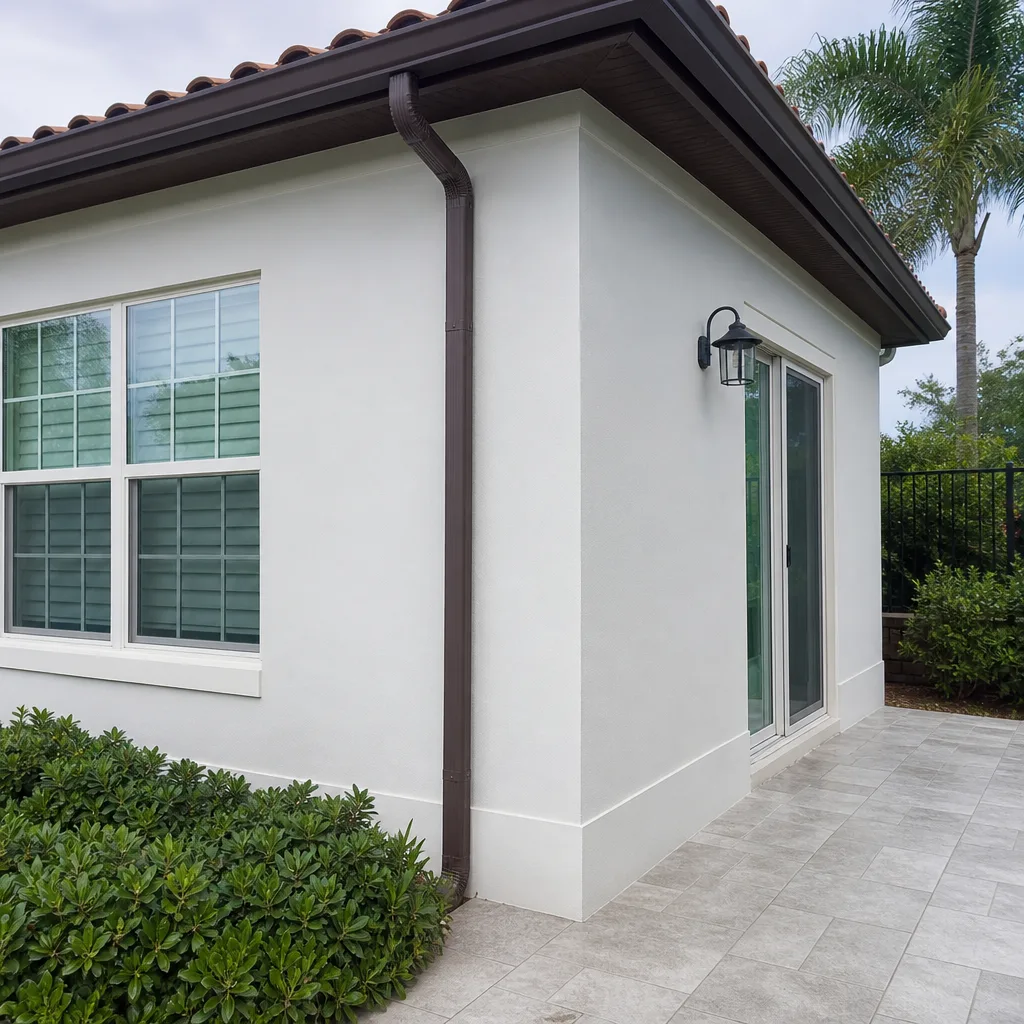 After
After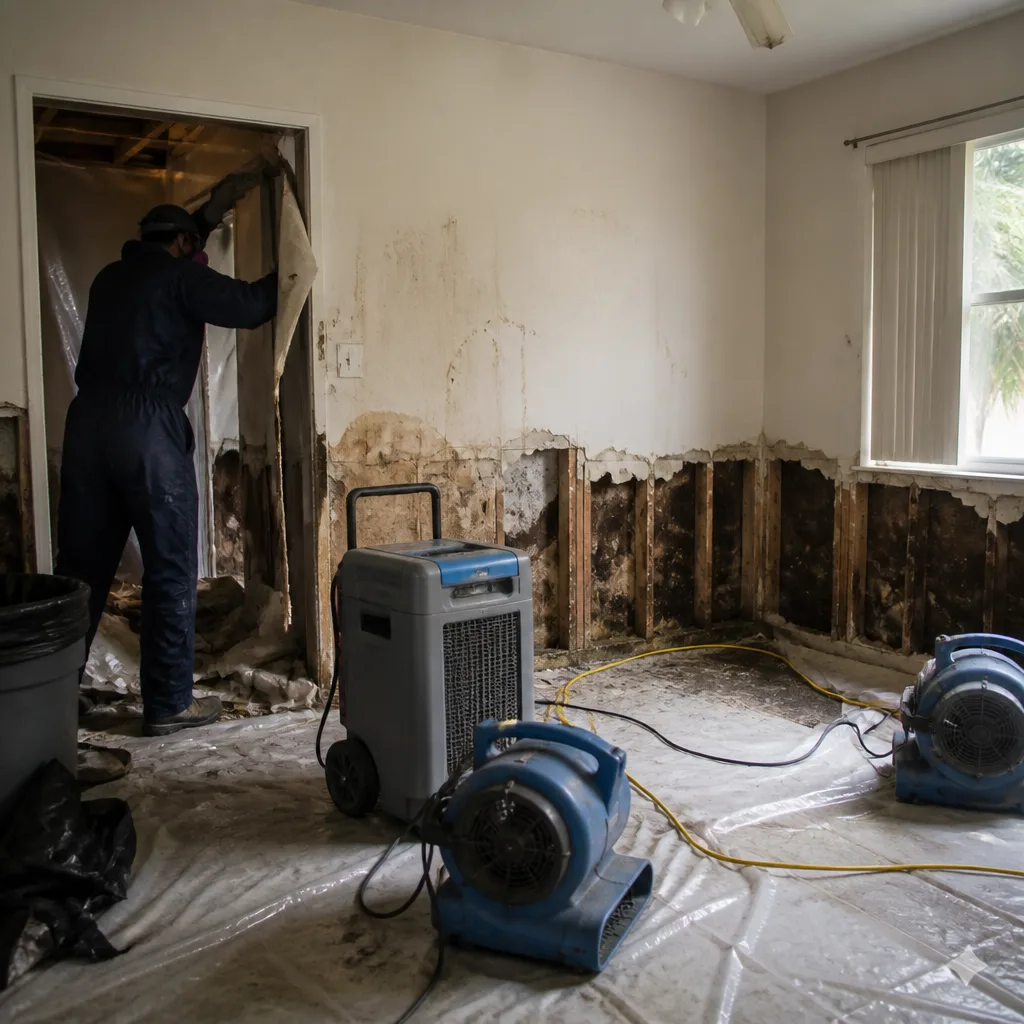 Before
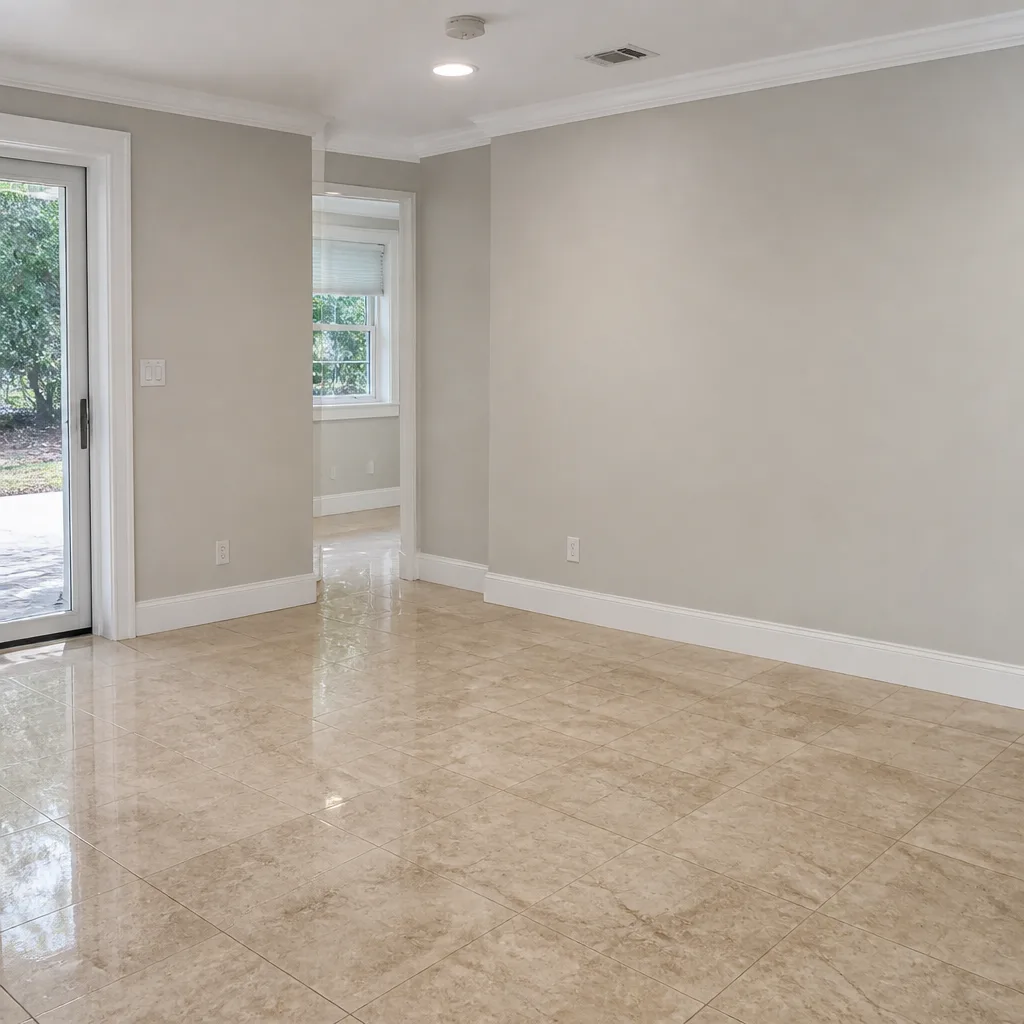 After
After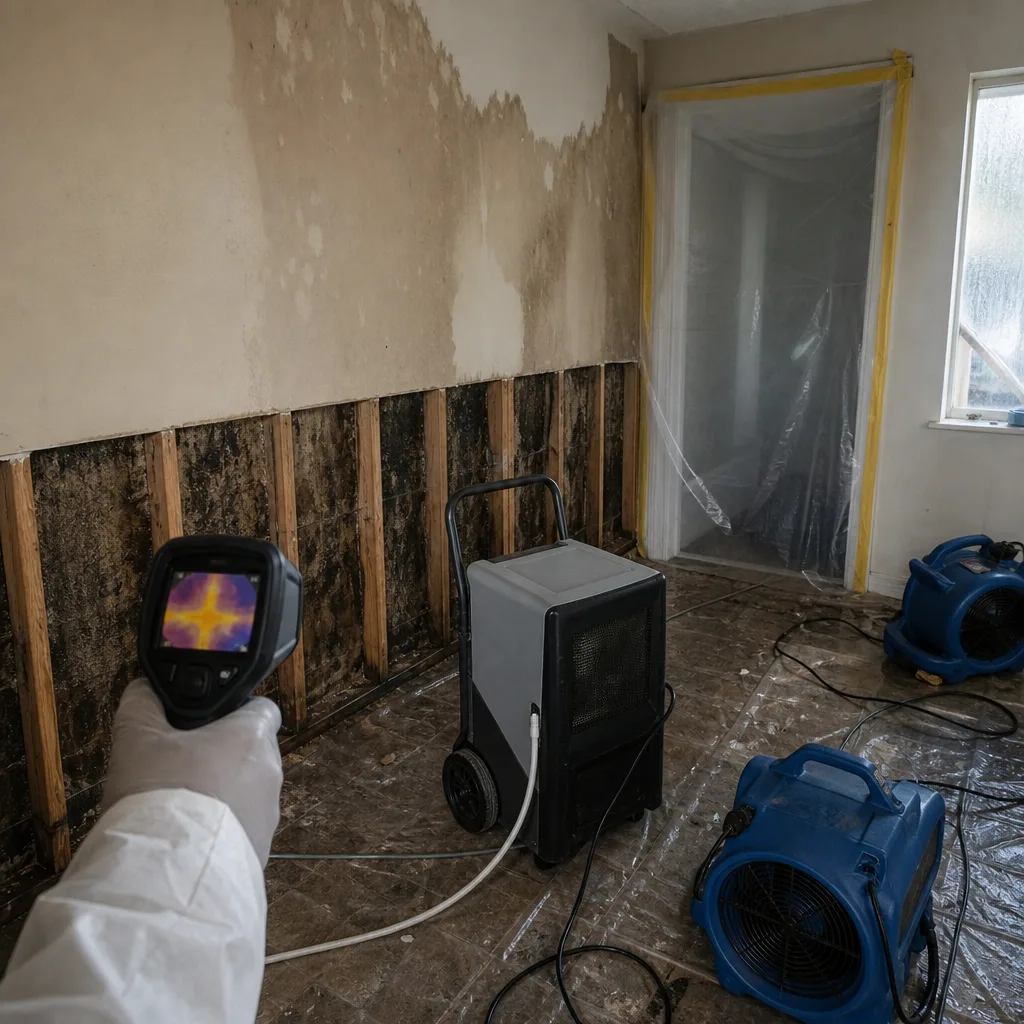 Before
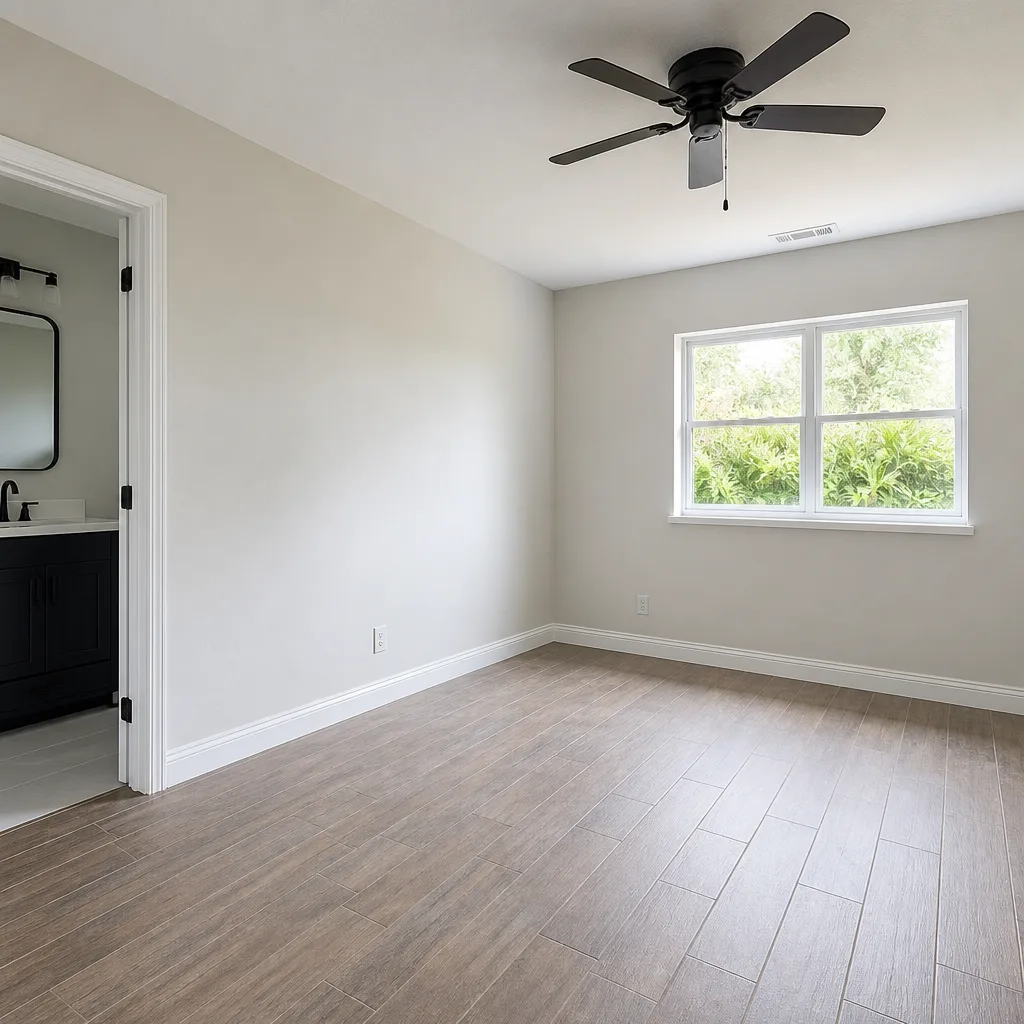 After
AfterSeasonal Damage Restoration Care for Boca Raton: Year-Round Homeowner’s Guide
Boca Raton’s dry season produces more interior water damage than most homeowners expect. From January through April, air conditioning systems run 18 to 22 hours daily in humid but rain-free conditions, and the resulting condensate line failures, coil pan overflows, and bathroom exhaust duct saturation account for roughly 40% of the water damage calls we handle annually. Most seasonal guides treat South Florida as a single risk profile: hurricane season versus everything else. That framing misses the distinct damage signatures of each quarter and leaves homeowners preparing for the wrong threat at the wrong time. For a deeper look at region-specific strategies, see our Complete Guide to Damage Restoration in Boca Raton. This guide assigns specific, measurable tasks to each quarter based on the actual climate patterns we document in Boca Raton homes.
Quick Answer
Boca Raton homeowners should treat the year as two damage seasons and two inspection windows rather than four equal quarters. January through March demands AC system moisture monitoring; April through June requires documented pre-hurricane baselines; July through September calls for careful storm response without disturbing claim evidence; and October through December needs post-season clearance inspections with moisture meter verification, not visual checks alone.
Table of Contents
- Q1 (January-March): Dry-Season AC Overcycling and Hidden Moisture
- Q2 (April-June): The Documented Pre-Hurricane Baseline
- Q3 (July-September): Active Storm Season Response Protocols
- Q4 (October-December): Post-Season Clearance Inspection
- Boca Raton’s Urban Heat Island and Drying Timelines
- Building Your Homeowner Documentation System
- Common Mistakes to Avoid
- When to Call a Professional
- Frequently Asked Questions
 Before
 After
AfterQ1 (January-March): Dry-Season AC Overcycling and Hidden Moisture
Boca Raton’s dry season is not dry in the way Phoenix or Los Angeles experience dryness. Relative humidity still averages 65 to 75%, and daytime temperatures regularly reach 75 to 80°F. The difference from summer is the absence of predictable afternoon thunderstorms, which means air conditioning systems cycle continuously without the natural humidity breaks that allow coil temperatures to stabilize.
In our experience across Boca Raton neighborhoods from Old Floresta to Boca West, this overcycling produces three distinct damage patterns that visual inspection rarely catches:
- Condensate line biofilm blockages: Continuous flow without seasonal flushing allows algae and bacterial slime to accumulate, eventually creating a complete blockage. The backup typically overflows at the air handler, which in most Boca Raton homes sits in an attic or closet above finished space. By the time staining appears on drywall below, the cavity has held water for 7 to 14 days.
- Secondary drain pan fatigue: The emergency pan beneath the coil is galvanized steel or polymer, rated for intermittent use. When it becomes the primary drainage path due to main line blockage, thermal cycling and standing water cause seam failures. We’ve replaced pans in Royal Palm Yacht & Country Club homes that failed after just three seasons of continuous dry-season operation.
- Bathroom exhaust duct condensation: In homes built between 1985 and 2005, flexible ducting runs through hot attic spaces. When humid bathroom air meets duct surfaces cooled by attic ventilation, condensation forms and runs back toward the fan housing. The result is ceiling staining that mimics roof leaks but originates entirely from interior moisture transport.
What to Measure in Q1
We recommend three specific measurements, recorded monthly from January through March:
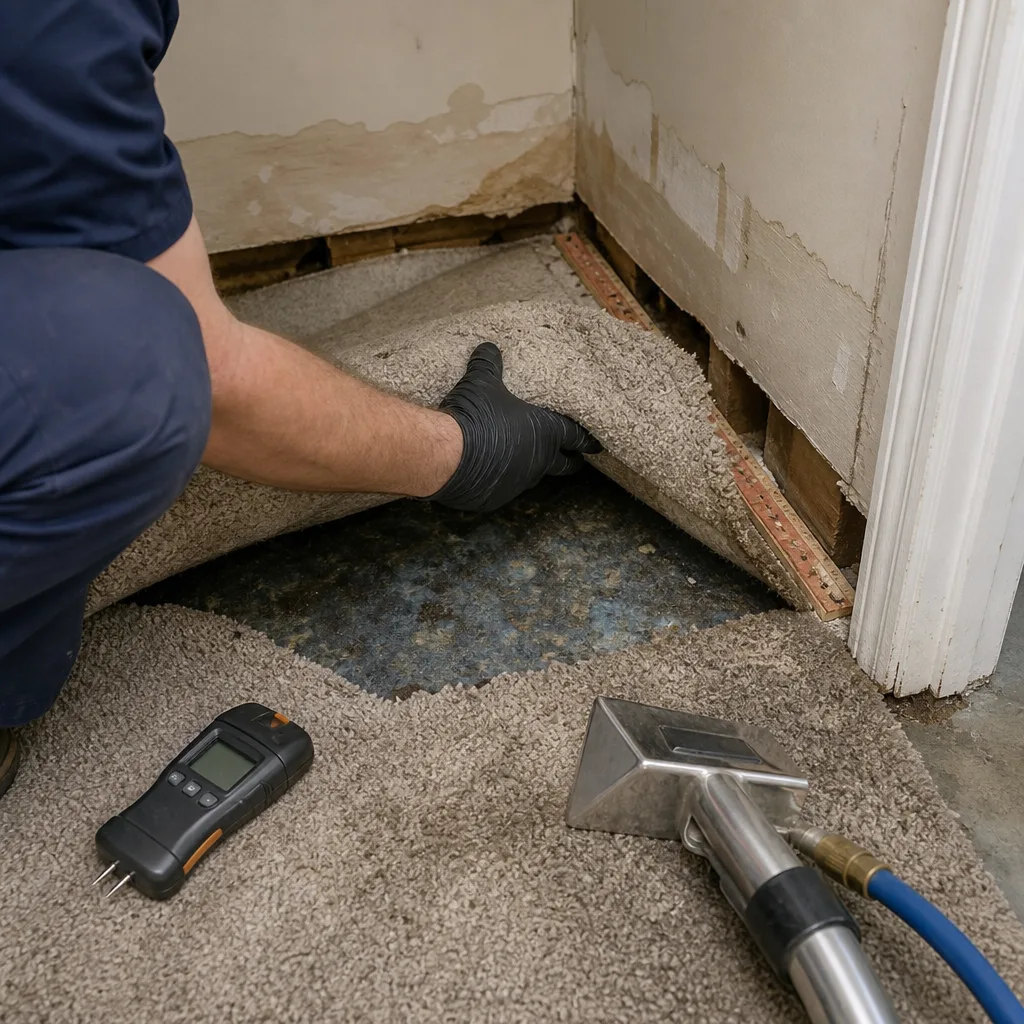
- Coil drain pan moisture level: Use a pin-type moisture meter on the pan’s edge and on the platform beneath it. Readings above 16% wood moisture content or any detectable reading on non-wood surfaces indicate standing water or chronic seepage. Record the date, location, and reading in a dedicated log.
- Condensate line flow rate: At the exterior termination, time how long it takes to fill a measured container during active cooling. A healthy residential system in Boca Raton should produce 1 to 3 quarts per hour during peak operation. Significant reduction from your baseline, or flow that stops entirely during cooling cycles, signals partial blockage.
- Indoor relative humidity at the return grille: Use a calibrated hygrometer, not the thermostat display. Target range is 45 to 55%. Readings sustained above 60% with the system running indicate inadequate dehumidification, which can mean oversized equipment, low refrigerant charge, or air bypass around the coil. Any of these conditions can produce hidden moisture accumulation in wall cavities.
If your January readings establish a baseline, February and March measurements will reveal trends before they become visible damage. In our Water Damage Restoration in Boca Raton work, the most expensive dry-season losses we see began as small anomalies that went unlogged.
Q2 (April-June): The Documented Pre-Hurricane Baseline
Hurricane season officially begins June 1, but the preparation window that matters for damage claims closes earlier. By mid-May, most South Florida homeowners have shifted to storm-mode thinking, and the contractors who produce documentation-quality assessments are already booked. The practical window for creating a defensible pre-storm record is April through early June.
The purpose of this baseline is not prevention. It is evidentiary. When a storm produces damage, the insurer’s first question is whether the condition existed before the event. A homeowner who can produce dated, detailed documentation of pre-storm condition moves through claims processing faster and with fewer disputes over scope.
The Three-Part Documentation Sequence
We structure pre-hurricane baselines around three deliverables that mirror what we produce after a loss:
- Photo record of roof condition: Date-stamped images of every roof plane, each penetration (vents, skylights, HVAC curbs), and the condition of flashing at walls and chimneys. Include close-ups of any granular loss on asphalt shingles, membrane seams on flat roofs, or fastener backout on tile. Store these in cloud storage with automatic date verification, not on a local device that could be storm-damaged.
- Written inventory of exterior penetrations: A room-by-room list of every opening in the building envelope: windows, doors, garage doors, utility penetrations, and any previous repairs. Note the age, manufacturer, and condition of each. For sliding glass doors common in Boca Raton homes from the 1980s and 1990s, specifically document track wear and weatherstrip condition, as these are common failure points in wind-driven rain events.
- Moisture readings at vulnerable wall bases: Using a pinless moisture meter, record readings at baseboard height on every exterior wall, particularly those facing prevailing winds (southeast and east in most Boca Raton homes). Readings should be 10% or below on gypsum drywall. Higher readings indicate existing moisture intrusion from irrigation overspray, grade issues, or prior minor leaks that have not yet produced visible damage.
This baseline becomes the reference point for any post-storm assessment. In our DryMark Restoration Boca Raton home consultations, we regularly see claims disputes resolved in the homeowner’s favor when they can produce this level of documentation. Without it, the adjuster’s default assumption is often pre-existing condition.
For homeowners in gated communities like Woodfield Country Club or St. Andrews Country Club, additional consideration: many HOA maintenance agreements assign roof and exterior responsibility differently than single-family ownership. Verify what the association covers and document your own obligations separately.
Q3 (July-September): Active Storm Season Response Protocols
When water enters a Boca Raton home during storm season, the homeowner faces a tension between immediate mitigation and claim preservation. Moving wet items, cutting drywall, or extracting standing water can be necessary to prevent secondary damage. It can also disturb the scene in ways that complicate adjuster evaluation.
We address this through a protocol we teach homeowners in July, before the active storm period: document first, mitigate second, but never delay mitigation for documentation.
The Storm Response Sequence
- Photograph before touching anything: Wide shots showing water extent, source point if visible, and affected materials. Close-ups of water lines on walls, saturated items, and any structural damage. Use your phone’s timestamp or a photo app that records GPS and time automatically.
- Video with narration: A 60-second walkthrough describing what you see, the time, and the storm conditions. This captures context that still images miss and establishes your contemporaneous observation.
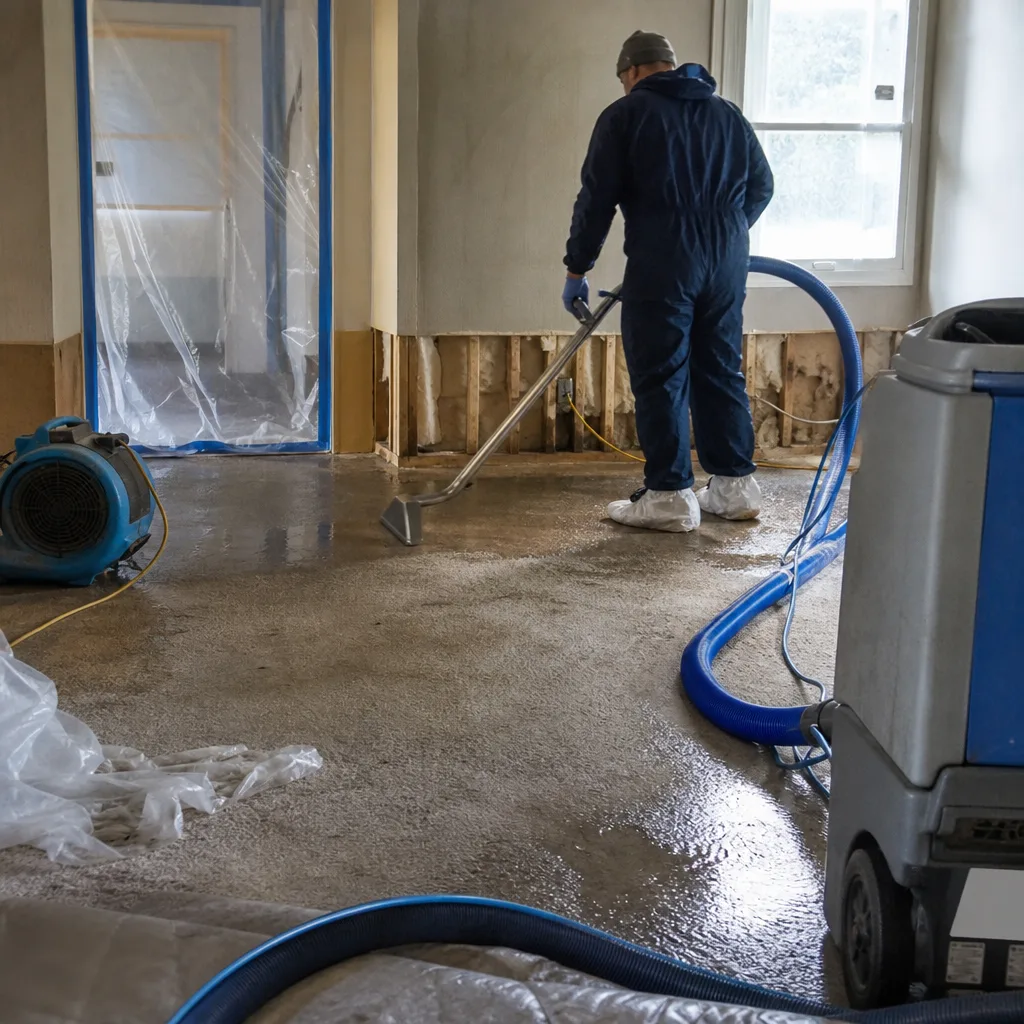
- Mitigate to prevent escalation: Remove standing water if you have a safe means to do so. Move wet textiles and furniture to dry areas. Do not cut drywall or remove baseboards unless water is actively wicking and you cannot get professional response within 24 hours. If you must cut, photograph the cut line and the cavity behind it first.
- Preserve samples: A 12-inch square of wet drywall, a piece of wet carpet and pad, and any failed sealant or flashing can be valuable for material testing if coverage disputes arise. Store in a labeled, sealed bag in your freezer.
When to Call a Restoration Professional Versus Waiting for an Adjuster
This is the most common question we receive during active storm periods. The answer depends on water category and extent:
- Category 1 (clean water), contained to one room, less than 24 hours: You may wait for adjuster contact if you have documented thoroughly and can maintain dehumidification. Most adjusters in Boca Raton aim for 48-hour response during storm events, though major hurricanes can extend this to 5 to 7 days.
- Category 2 (gray water) or any water that has crossed from one room to another: Call a restoration professional immediately. Wicking in wall cavities progresses regardless of adjuster availability, and 48 hours of delay converts a dryout job to a remediation job with material removal.
- Any water reaching electrical panels, HVAC equipment, or structural elements: Immediate professional response. These are safety hazards that your policy requires you to mitigate.
Our Storm & Disaster Restoration team documents every step to IICRC standards, producing the daily moisture logs and photo records that adjusters need for claim approval. We coordinate directly with adjusters so the homeowner is not translating between two professionals.
A critical distinction for Boca Raton homeowners: Florida law permits emergency mitigation without prior insurer approval, but the scope of that emergency work is limited to what is necessary to prevent further damage. Full reconstruction requires adjuster agreement. A restoration company that begins extensive demolition before adjuster contact is not helping your claim. We provide a written scope before any work begins, Haven Standard, Clause 1, even in emergency conditions.
Q4 (October-December): Post-Season Clearance Inspection
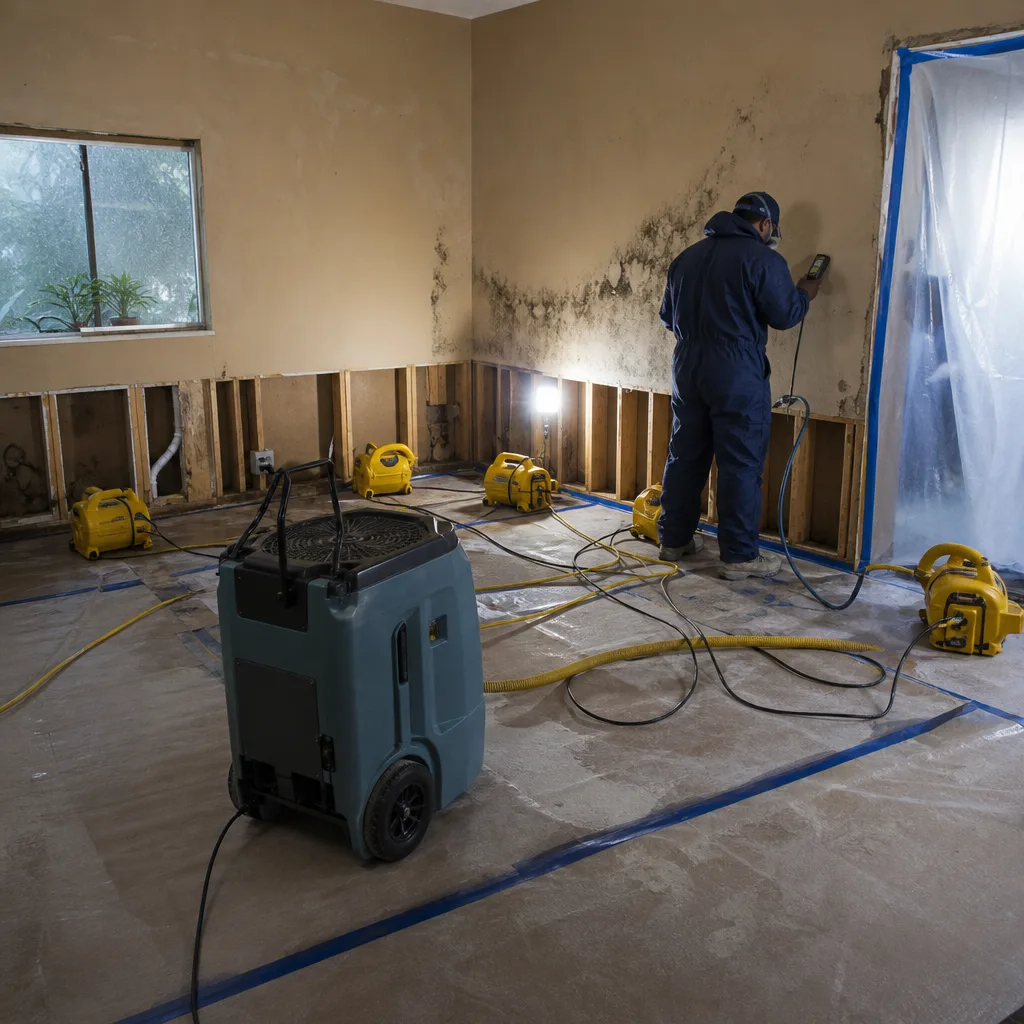
October brings the psychological shift: hurricane season is ending, temperatures moderate, and homeowners want to believe their home survived intact. This is precisely when the most insidious damage goes undetected.
A “no visible damage” walk-through misses what moisture meters catch. We conduct post-season clearance inspections in Boca Raton homes that reveal three common hidden conditions:
- Wind-driven rain intrusion at window and door perimeters: The water quantity may be small, 2 to 4 ounces per storm, but repeated events over a season saturate the wall cavity. By October, the exterior sheathing reaches moisture content levels that support mold growth, while the interior drywall shows no staining because the water never reaches that face.
- Roof membrane pinholes: Small punctures from wind-borne debris allow intermittent leakage that dries between events. The cumulative effect is degraded insulation and attic structural members with elevated moisture content. A thermal imaging scan during October’s cooler morning temperatures reveals these as cold spots in the roof deck.
- Foundation and grade drainage compromise: Saturated soils from summer rains settle and shift. By October, negative grading that directs water toward the foundation may be established, but the resulting slab moisture elevation only becomes apparent when cooler temperatures reduce evaporation and indoor humidity rises without obvious source.
The Post-Season Inspection Checklist
We recommend homeowners or their qualified inspectors complete this Water Damage Restoration Maintenance Checklist for Boca Raton Homeowners by November 15:
- Attic inspection with moisture meter: Check roof deck and structural members at six or more locations. Target below 15% wood moisture content. Higher readings indicate active or recent leakage, even if no staining is visible.
- Exterior wall base moisture survey: Pinless meter readings at baseboard height on all exterior walls, same locations as Q2 baseline. Any increase of 3 percentage points or more from the April reading warrants investigation.
- Window and door perimeter probe: Pin-type meter readings on drywall adjacent to each opening. Elevated readings at the bottom corners indicate wind-driven rain intrusion path.
- Slab perimeter and garage floor: Check for new cracking, efflorescence, or moisture sheen. These indicate hydrostatic pressure changes from seasonal soil saturation.
- HVAC duct inspection: Flexible duct in attics should be fully supported with no sagging. Low points collect condensation in October’s temperature swings and become mold reservoirs.
Document all findings with dated photos and meter readings. If any reading exceeds thresholds, a professional assessment with thermal imaging and cavity probing is warranted before the dry season begins and evaporation masks the problem.
In our Mold Remediation in Boca Raton work, the most extensive hidden mold colonies we encounter began as minor Q3 intrusion that went undetected through Q4. By January, when the homeowner notices musty odor or health symptoms, the remediation scope has tripled.
Boca Raton’s Urban Heat Island and Drying Timelines
A factor almost entirely absent from generic restoration guidance is the urban heat island effect and its impact on structural drying. Boca Raton’s dense commercial corridors along Glades Road and Federal Highway, and the tightly built neighborhoods of central Boca, experience ambient temperatures 3 to 6°F higher than surrounding undeveloped areas. This raises ambient relative humidity, particularly overnight when buildings and pavement release stored heat.
For restoration drying, this matters significantly. Published drying timelines from equipment manufacturers assume standard psychrometric conditions: 70°F, 60% RH at the start of drying. In a Boca Raton home in July, with ambient conditions of 82°F and 75% RH due to heat island effect, the vapor pressure differential between wet materials and the air is reduced. Less differential means slower evaporation.
We typically see drying timelines run 10 to 15% longer in central Boca Raton compared to homes on larger lots in western areas like Boca Raton Square or the neighborhoods near the Loxahatchee National Wildlife Refuge border. This is not equipment failure or technique deficiency. It is physics, and it requires adjusted expectations and documentation.
Our drying protocols account for this with enhanced dehumidification capacity, typically specifying one additional large-format dehumidifier per 1,000 square feet of affected area compared to standard IICRC calculations. We document the ambient conditions hourly, the equipment deployed by model and serial number, and the moisture content reduction curve. This produces the psychrometric data, the measured relationship between temperature, humidity, and evaporation rate, that insurers need to see why a Boca Raton dryout took longer than a textbook timeline suggests.
Homeowners should understand that a restoration company promising “dry in 48 hours” in mid-July in Boca Raton is either working with an unusually favorable microclimate or is not being precise about what “dry” means. We define dry by moisture content readings, not by time elapsed, and we document to that standard.
Building Your Homeowner Documentation System
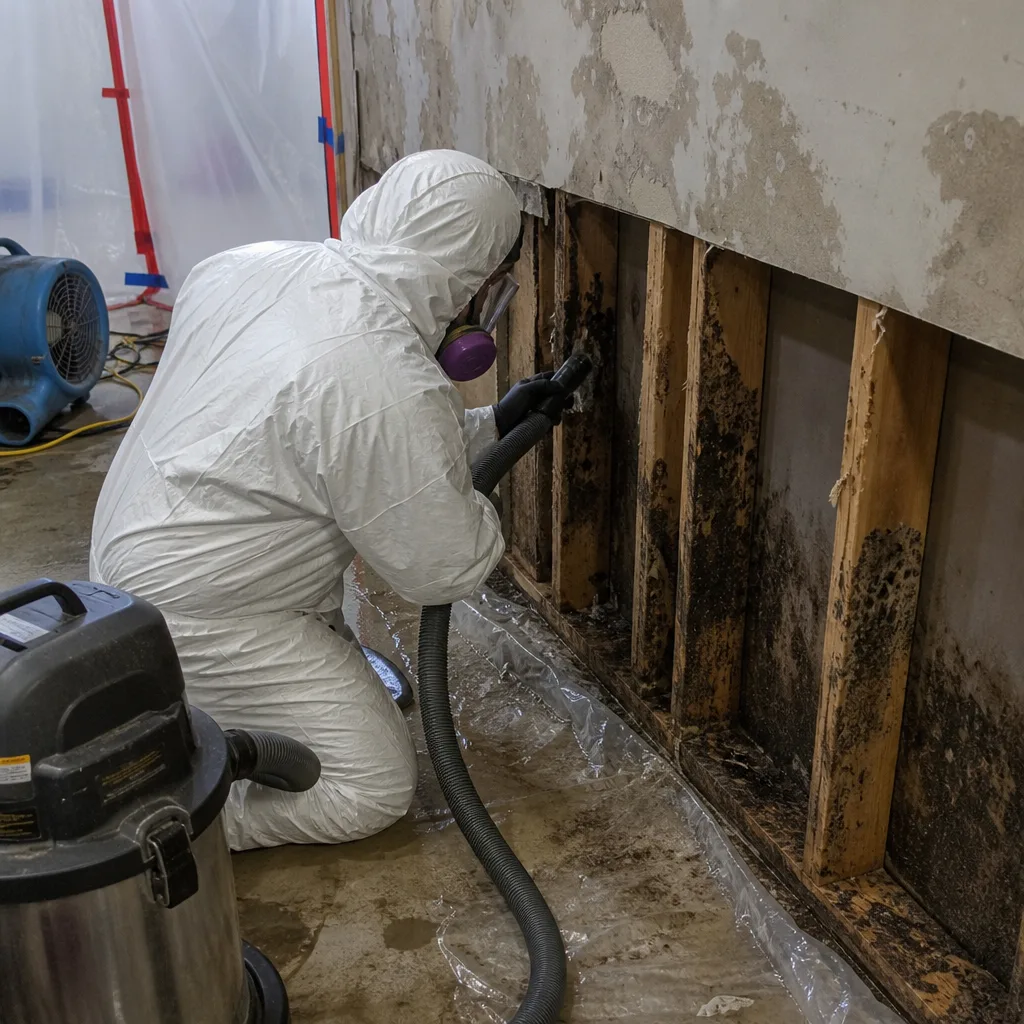
The quarterly protocols above produce substantial documentation. Without organization, this becomes clutter rather than protection. For related guidance, see our more guides & resources. We recommend a simple system that mirrors what we provide on every job:
- Digital folder structure: Year > Quarter > Location (exterior, attic, room name). Each folder contains dated photos, meter reading logs, and any professional reports. Cloud storage with automatic backup is essential; local-only storage fails when you need it most.
- Written summary sheet: A single document updated quarterly that lists the home’s key systems (roof age and type, HVAC age and capacity, water heater, electrical panel), recent maintenance dates, and any anomalies detected. This becomes the reference you provide to any professional who works on your home.
- Professional report archive: Every inspection, maintenance visit, or restoration assessment in one location. Include the company’s license number, technician name, and scope of work. This establishes chain of custody for any future claim.
The Haven Standard requires this same documentation discipline from our technicians on every job. We extend that expectation to homeowners because we have seen what incomplete records cost in claim disputes.
Common Mistakes to Avoid
- Assuming dry season means no water risk: Boca Raton’s January through April period produces more interior water damage from HVAC systems than July thunderstorms do from roof leaks. The risk shifts, it does not disappear.
- Photographing only visible damage after a storm: Adjusters need to see what was there before. A photo of a wet carpet proves nothing about when the water entered or whether the condition is storm-related versus pre-existing.
- Delaying professional assessment for “minor” water: In our experience, water that homeowners classify as minor has typically affected three times the visible area. Wicking in wall cavities and under flooring is not visible and does not stay minor.
- Using consumer-grade moisture meters without calibration verification: A $30 meter from a hardware store can read ±5% moisture content variance, which is the difference between “dry” and “requires remediation.” Professional-grade meters are calibrated annually to NIST-traceable standards.
- Discarding damaged materials before adjuster inspection: Florida insurance regulations require reasonable preservation of damaged property for inspection. Premature disposal can reduce claim payment or result in denial.
- Accepting verbal scope descriptions: Every restoration scope should be in writing, with line-item pricing, before work begins. Haven Standard, Clause 1 exists because verbal agreements produce disputes.
- Ignoring the urban heat island effect on drying expectations: A restoration company that does not adjust equipment and timeline for Boca Raton’s actual conditions is either inexperienced or planning to declare success before true dryness is achieved.
When to Call a Professional
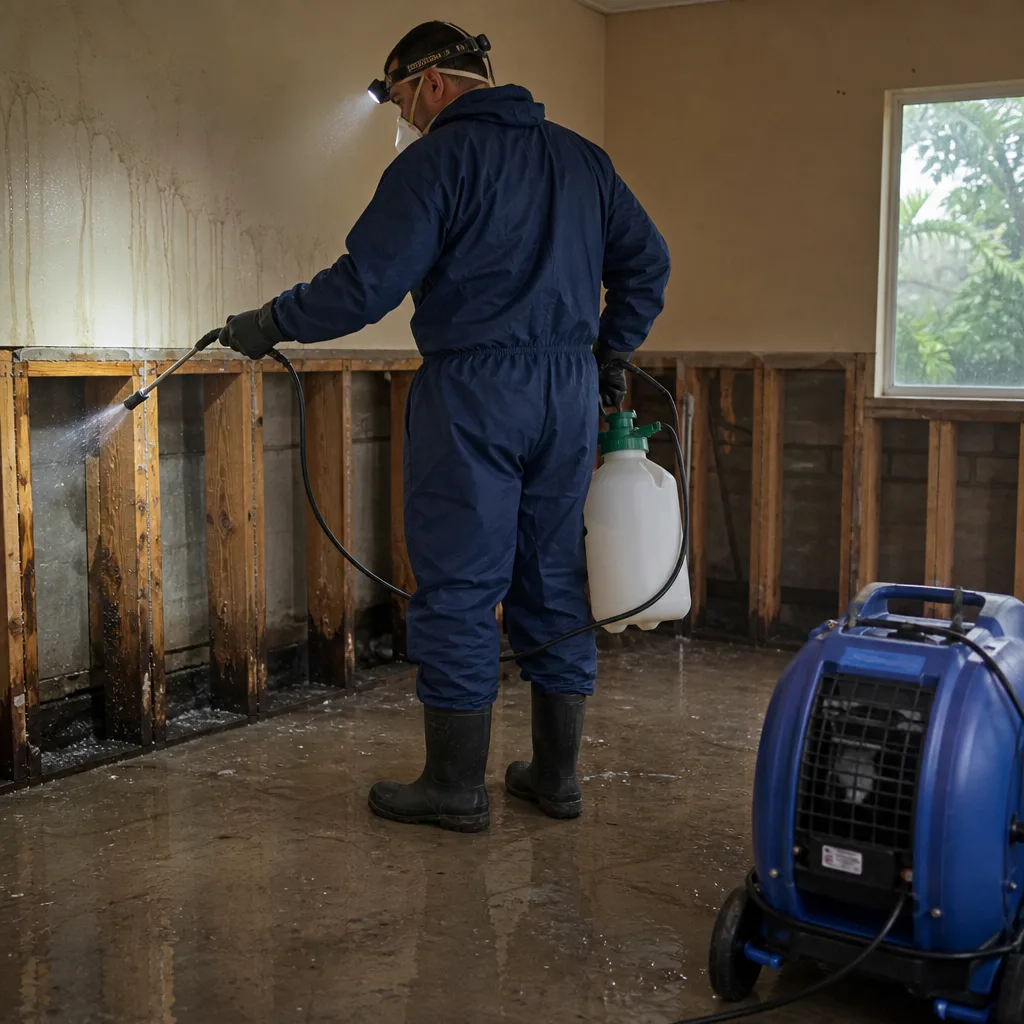
Call a restoration professional immediately when: water has crossed from one room to another or is wicking up walls; you smell musty odor without visible source; your moisture meter readings exceed 16% on wood or 1% on gypsum; or any water event involves gray water, sewage, or electrical equipment. These conditions escalate faster than homeowner mitigation can address and carry health or safety risks that warrant trained response.
DryMark Restoration Boca Raton offers free estimates in Boca Raton. Our assessments include written scope, line-item pricing, and photo documentation before any work begins, Haven Standard, Clause 1. Call (754) 247-1426 to schedule. For emergency water damage, our live dispatch answers 24 hours a day, 7 days a week with no voicemail.
Frequently Asked Questions
Professional moisture assessment and baseline documentation typically ranges from $150 to $400 for a standard single-family home, depending on square footage and accessibility. This is not a restoration service; it is diagnostic documentation that we recommend annually. The cost of this assessment is minor compared to the average water damage claim in Boca Raton, which typically runs $8,000 to $25,000 for dryout and repair. See our Damage Restoration Cost Breakdown: The Boca Raton Homeowner’s Reference for 2026 for detailed pricing factors. Call (754) 247-1426 for exact pricing on your home.
Florida homeowners policies generally cover sudden and accidental water damage regardless of maintenance history, but they exclude damage from long-term leaks, gradual deterioration, or known maintenance neglect. The seasonal documentation we describe strengthens your position by proving when damage began and that you took reasonable monitoring steps. Insurers deny claims based on maintenance failure more often than homeowners realize, and documented seasonal checks are your defense.
Response time depends on storm severity and road conditions. For non-hurricane water events in Boca Raton, DryMark Restoration Boca Raton typically dispatches within 60 to 90 minutes during normal operations. During named storms, when curfews and flooding restrict movement, we coordinate with emergency management for access and communicate realistic arrival windows. We do not promise impossible response times; we document actual dispatch and arrival times for every job.
Visible mold on a hard surface in an area smaller than 10 square feet can sometimes be addressed with appropriate cleaning and moisture source elimination. However, mold in wall cavities, on porous materials like drywall or carpet, or in HVAC systems requires professional remediation under Florida Department of Health guidelines. The critical question is not what you can see but whether the moisture source is fully eliminated and whether hidden growth exists. We provide free second opinions on any competitor’s mold assessment.
At DryMark Restoration Boca Raton, we coordinate directly with your adjuster, providing the documented photo record, daily moisture logs, and written scope that adjusters need for claim processing. You remain the policyholder and must authorize all work, but you should not be translating between technical restoration language and insurance requirements. Our documentation is structured specifically for adjuster review, a practice we established because our founder is a former claims adjuster who understood what documentation gaps cost homeowners.
Boca Raton’s combination of older housing stock in central neighborhoods, strict building codes post-2005, and pronounced urban heat island effect creates a distinct restoration profile. Homes in Old Floresta or Boca Raton Historic District often have original plaster and lath construction that responds differently to moisture than modern drywall. Newer construction in west Boca meets enhanced wind codes but may have complex HVAC zoning that complicates drying. Our protocols account for these local variables rather than applying generic South Florida assumptions.
The Bottom Line
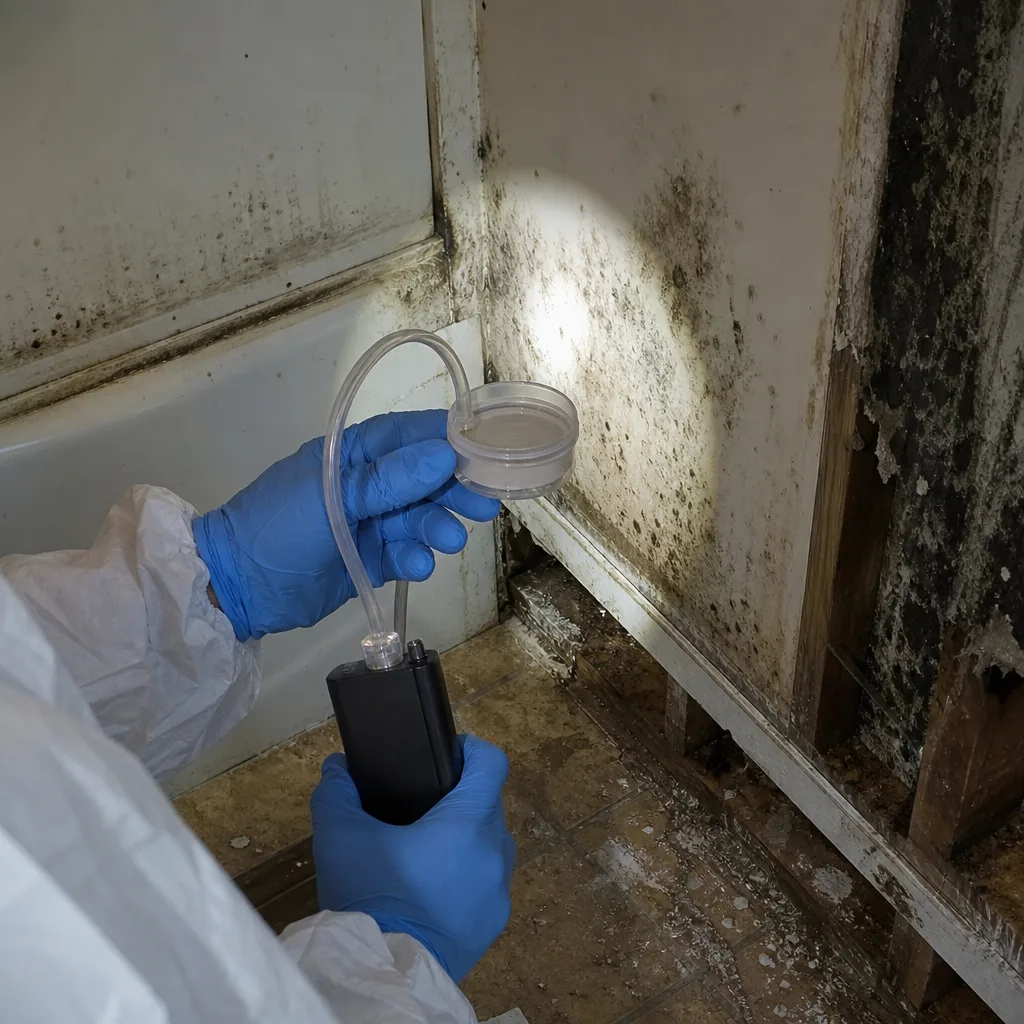
Boca Raton homeowners who treat the year as two damage seasons and two inspection windows, rather than four equal quarters, catch moisture problems before they become restoration projects. The dry season’s AC overcycling, the pre-hurricane documentation window, the careful storm response protocol, and the post-season moisture verification each address a distinct risk that generic seasonal guides overlook. Documentation is the common thread: dated photos, meter readings, written scopes, and professional reports that turn restoration invoices into payable claims. The cost of this systematic approach is measured in hours and a few hundred dollars annually. The cost of the alternative is measured in thousands of dollars and months of dispute.
Written by Alicia Brennan, Owner at DryMark Restoration Boca Raton, serving Boca Raton since 2011.