
Last updated September 23, 2026
Free visual inspection and a written scope of work before any mitigation begins - photos, moisture readings, and drying logs go in your claim file
The scope we write is the scope we bill. Anything new gets shown to you, in writing, before we touch it.
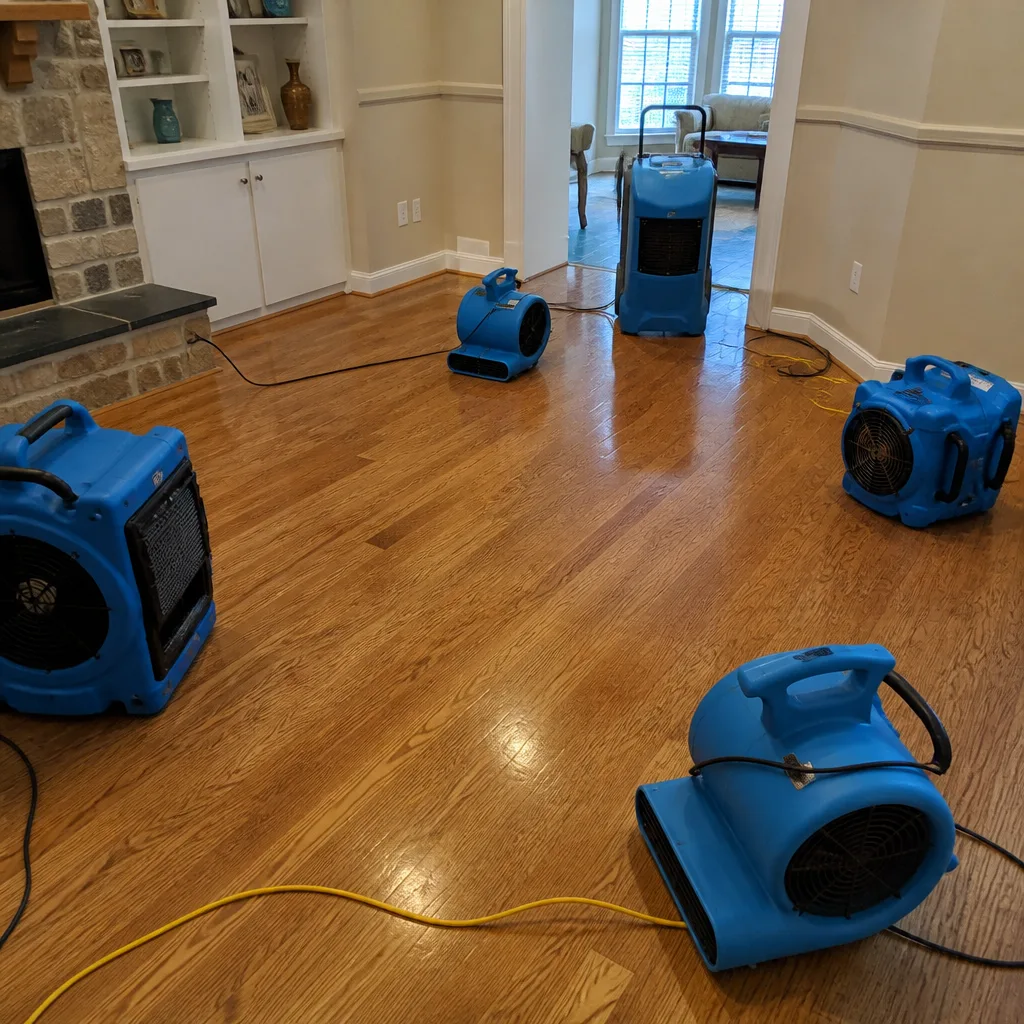
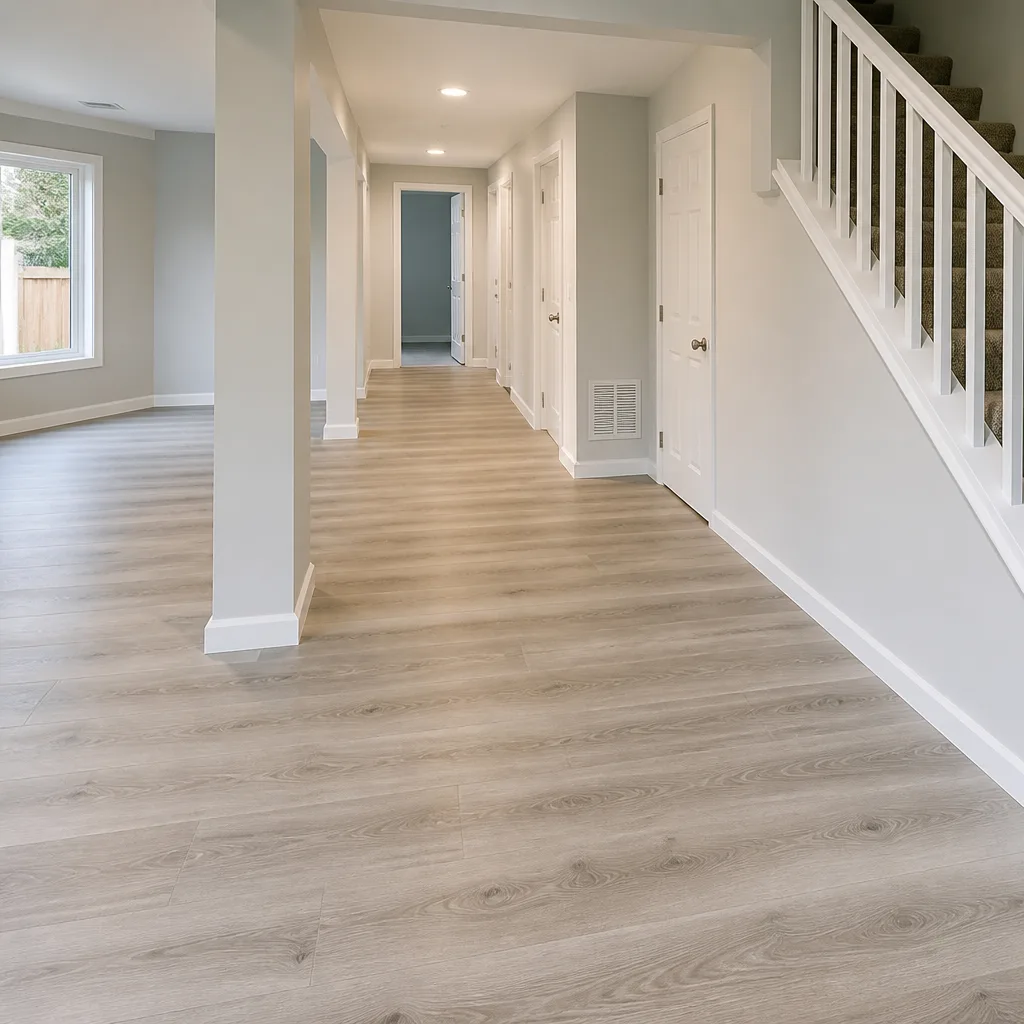
 Before
 After
After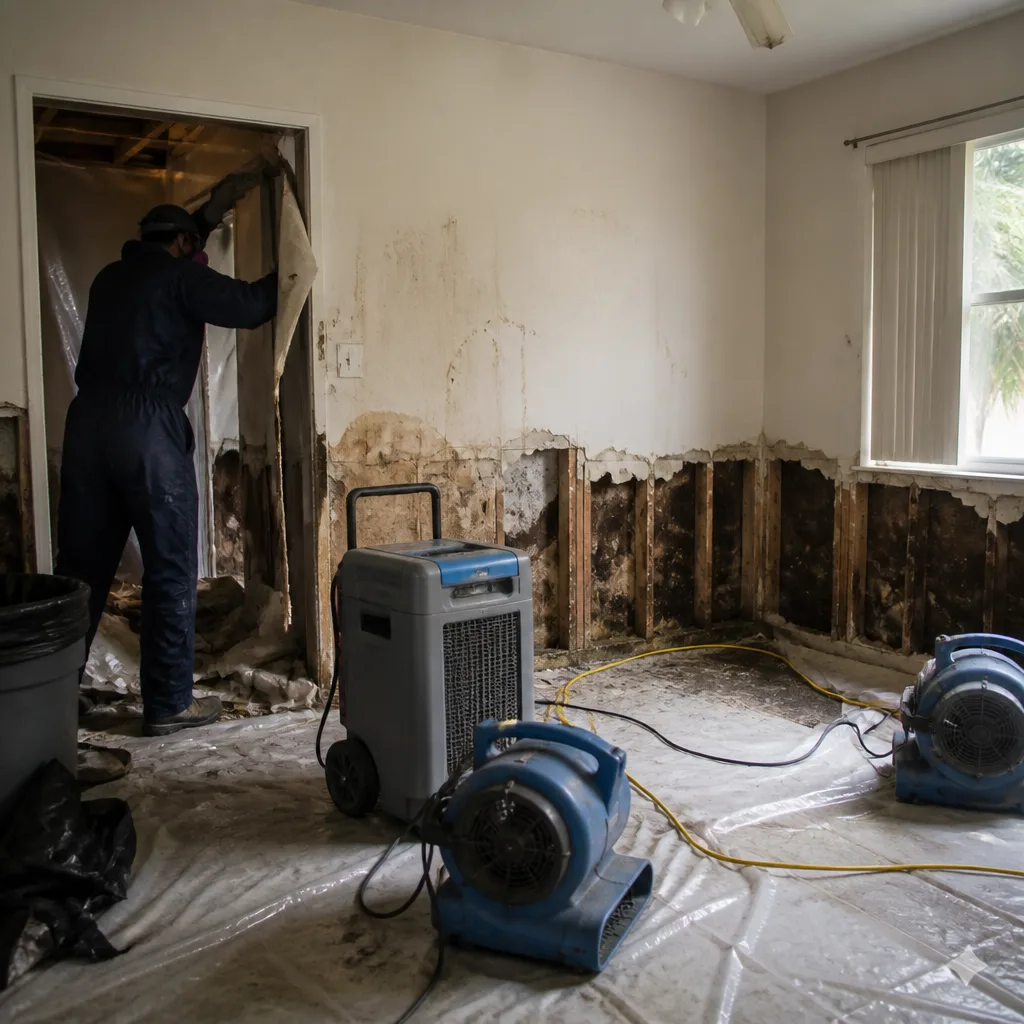 Before
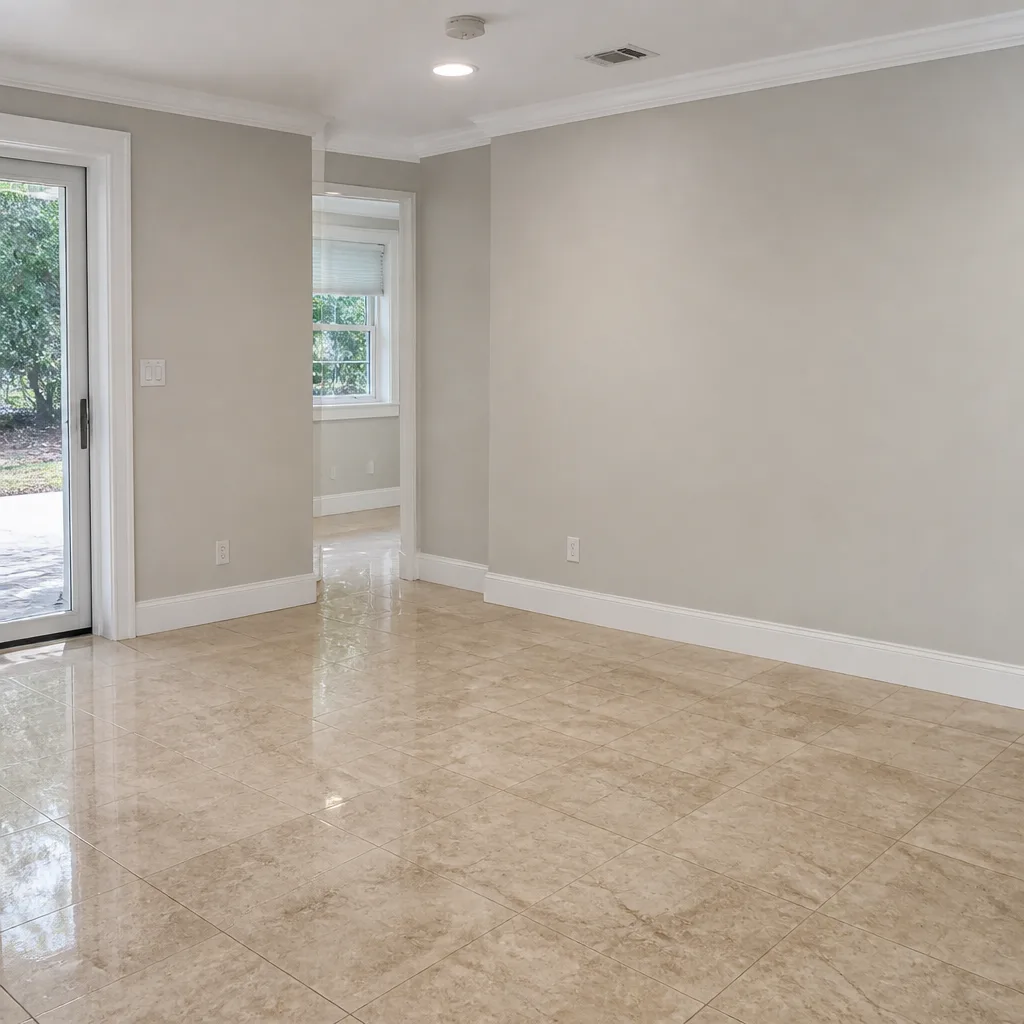 After
After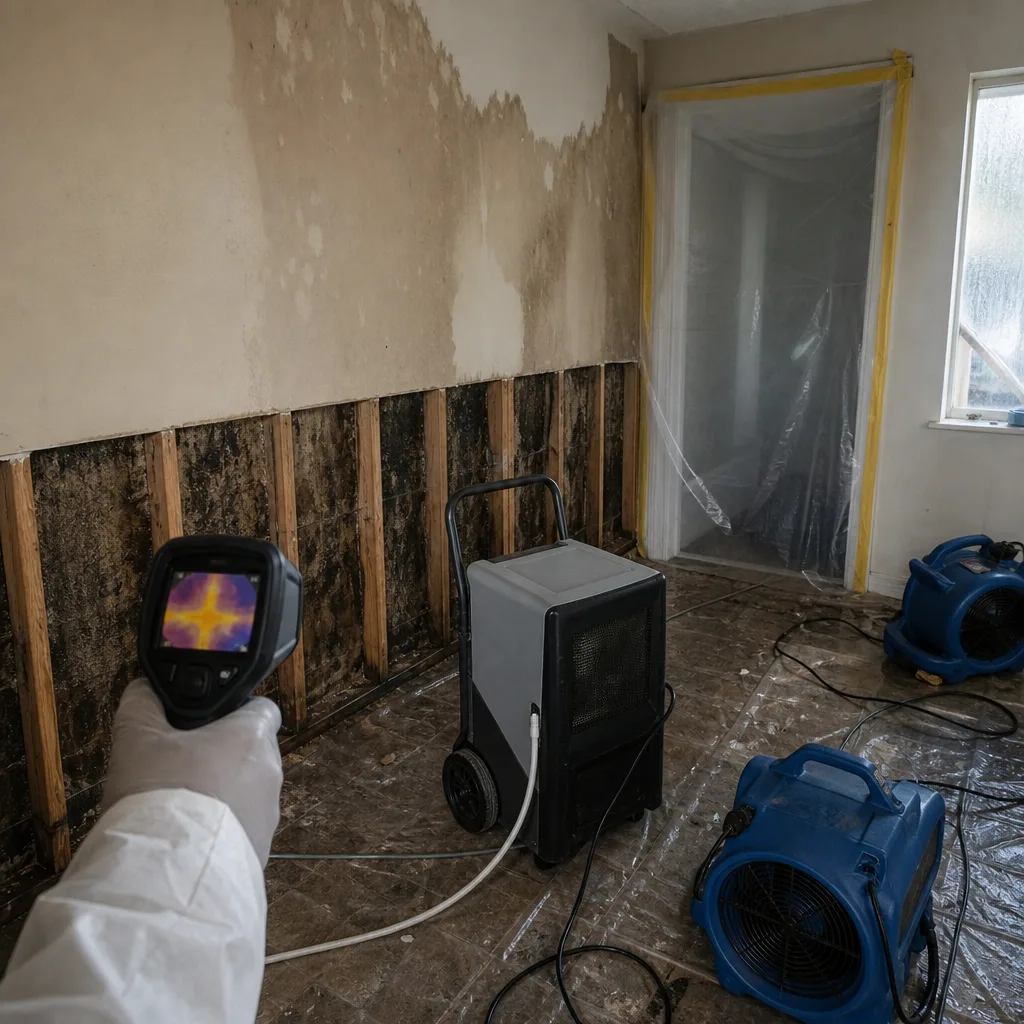 Before
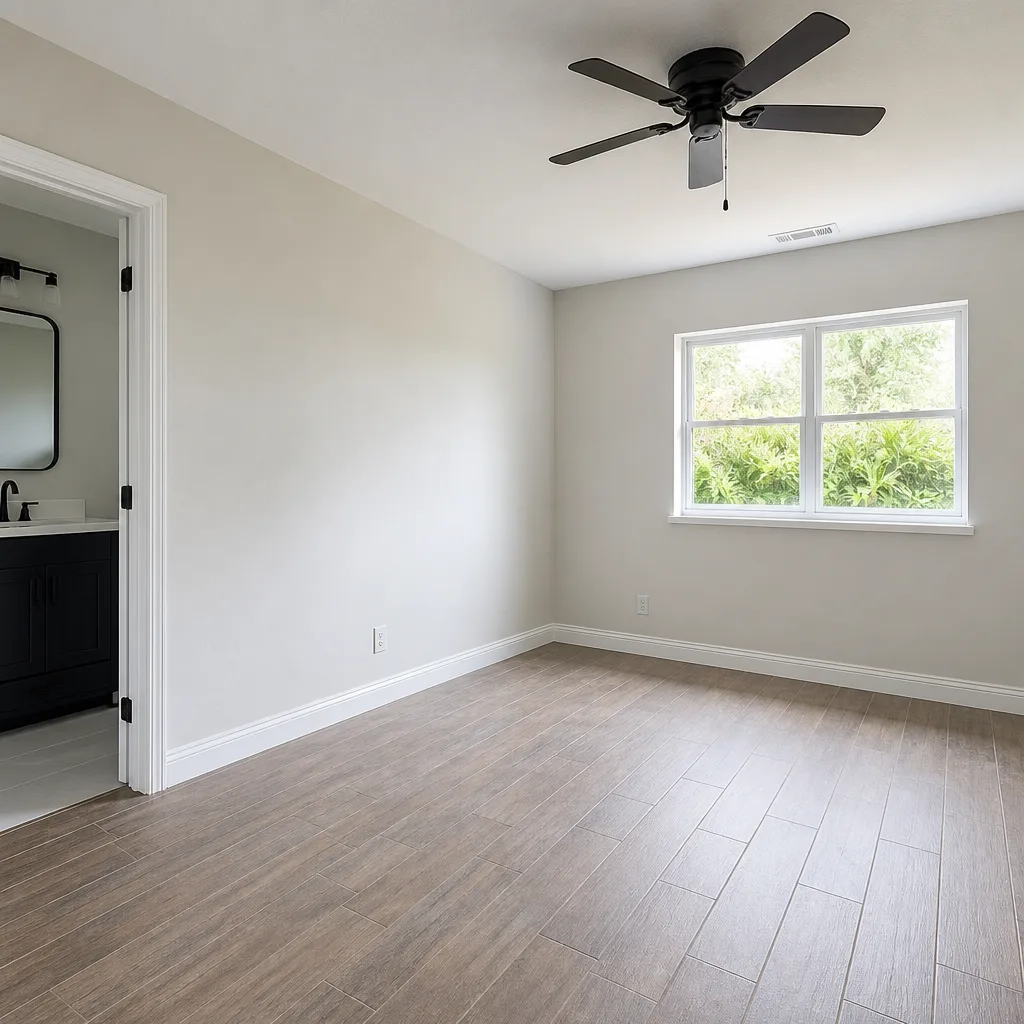 After
AfterDIY vs Professional Damage Restoration: The Boca Raton Homeowner’s Decision Guide
A Boca Raton homeowner who extracts standing water themselves and dries the space with box fans has almost certainly voided the “reasonable mitigation” requirement in their policy - not because the effort was wrong, but because there is no moisture log to prove it worked. In the 14 years since we started documenting restoration jobs across Palm Beach County, we’ve seen this scenario more than any other: a capable, well-intentioned homeowner does what seems logical, only to learn at claim time that their insurer treats undocumented mitigation the same as no mitigation at all. This guide will show you exactly where the line falls between DIY and professional response in Boca Raton, what your policy language actually requires, and how to protect your coverage regardless of which path you choose - and you can find more guides & resources on our blog.
Quick Answer
DIY damage restoration is appropriate in Boca Raton only for surface spills under 10 square feet, single-fixture overflows with no wall penetration, and exterior debris rinsing after storms. For everything else - water that has reached subflooring, mold growth of any visible size, fire or smoke damage, sewage backup, or storm intrusion - professional documentation is required to satisfy the “Duties After Loss” clause in standard Florida homeowner policies and to preserve your full reconstruction claim.
Table of Contents
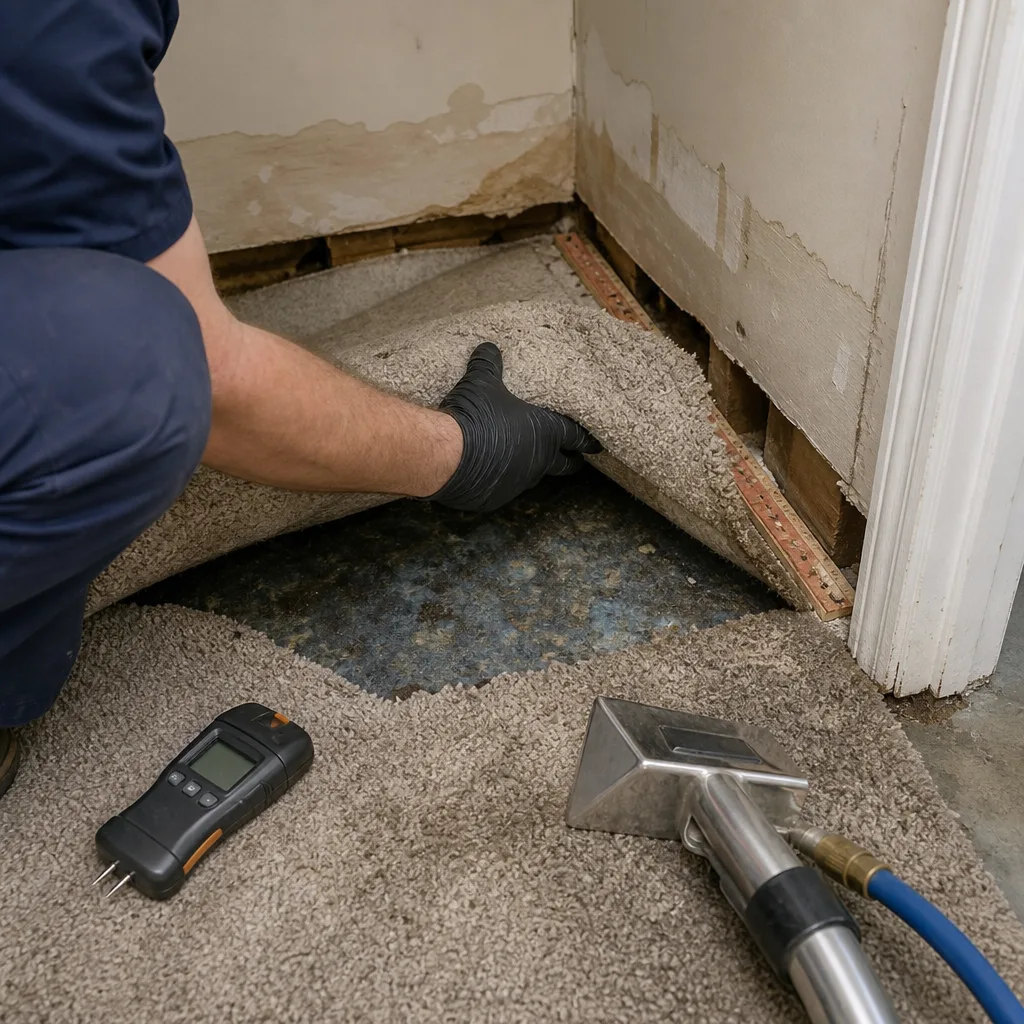
- Why Insurance Documentation, Not Skill, Decides the DIY Question
- The Three Scenarios Where DIY Is Genuinely Appropriate
- What Professional Equipment Produces That Consumer Equipment Cannot
- How to Build a DIY Mitigation Log That Supplements (Not Replaces) Professional Files
- The True Cost Comparison: Mitigation Invoice vs. Reconstruction Claim
- Boca Raton-Specific Climate and Code Factors
- Common Mistakes to Avoid
- When to Call a Professional
- Frequently Asked Questions
 Before
 After
AfterWhy Insurance Documentation, Not Skill, Decides the DIY Question
Florida homeowner policies, including those written for Boca Raton properties from Delray Beach to Highland Beach, contain a standard clause under “Duties After Loss” that reads something like this: the insured must “take all reasonable steps to protect the property from further damage and keep a record of your expenses for consideration in the claim.” The word “record” is doing heavy lifting. In our experience reviewing thousands of claim files since 2011, insurers interpret “record” to mean calibrated, dated, and methodologically consistent documentation - not photos on a phone and a mental note that the fans ran for three days.
Here’s what happens in practice. A pipe bursts in a Boca Raton home near Spanish River Boulevard. The homeowner shops vacuums the water, sets up box fans from Home Depot, and runs a dehumidifier they bought for the garage. The drywall feels dry to the touch. Three weeks later, mold appears behind the baseboard. The homeowner files a claim for mold remediation and drywall replacement. The insurer sends an adjuster who asks: what was the relative humidity at 24 hours? What was the moisture content of the studs at 72 hours? What equipment was used, and what is its rated extraction capacity at 80 degrees and 70% RH? The homeowner has no answers. The insurer denies the reconstruction portion of the claim, arguing that unverified drying allowed secondary damage to develop.
This is not an edge case. It is the standard operating procedure of property claim departments. The documentation gap that costs homeowners their claims is exactly why DryMark Restoration Boca Raton home was built around written scopes, photo records, and daily moisture logs. We produce the file that turns a restoration invoice into a payable claim. A homeowner with a wet-dry vac and good intentions cannot produce that file, regardless of how capable they are.
The key distinction: DIY mitigation is not about whether you can remove water. It is about whether you can prove, with admissible documentation, that you returned the structure to its pre-loss moisture equilibrium. Professional restoration in Boca Raton exists to create that proof.
The Three Scenarios Where DIY Is Genuinely Appropriate
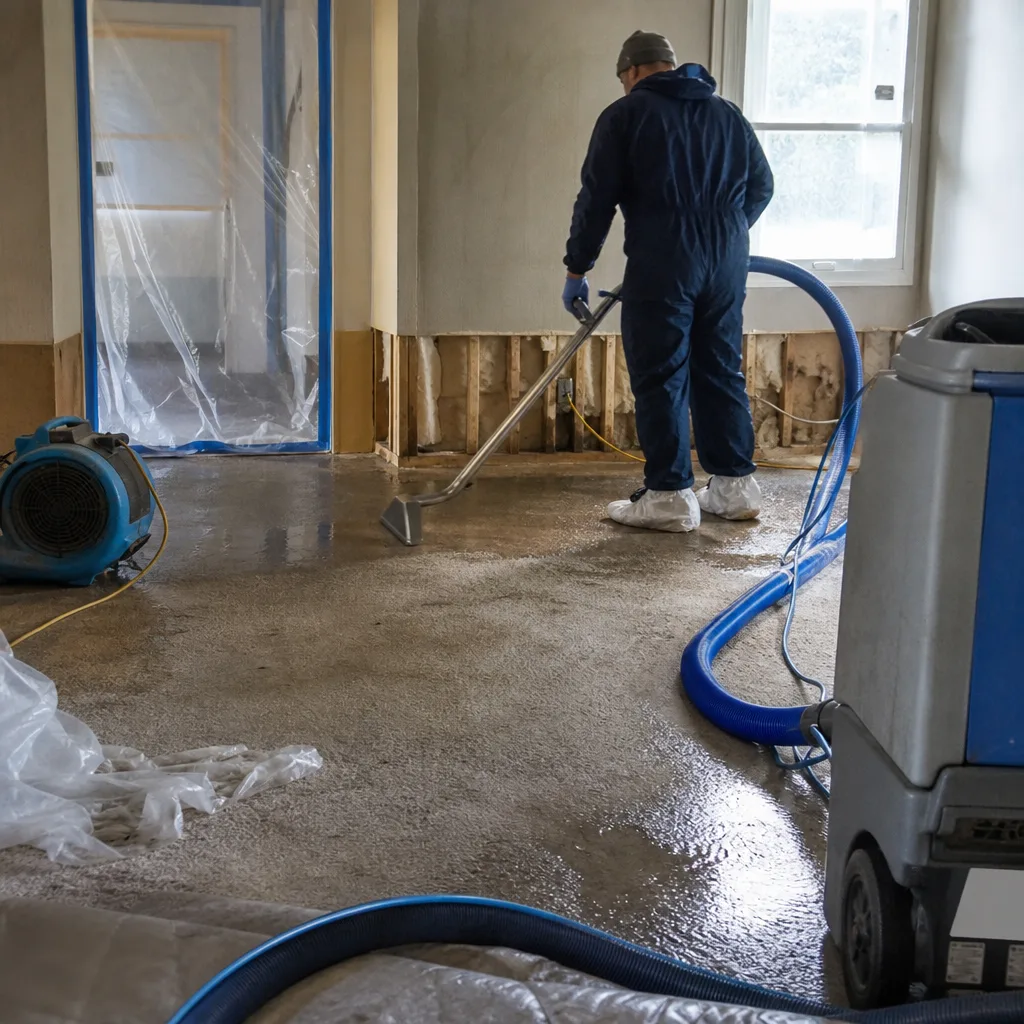
There are exactly three damage scenarios we have encountered in Boca Raton where DIY response is appropriate, does not jeopardize a claim, and requires no professional documentation to satisfy policy requirements - a topic we also cover in our Water Damage Restoration Maintenance Checklist for Boca Raton Homeowners. Each has clear boundaries. Cross them, and you enter the zone where professional documentation becomes necessary for coverage protection.
Scenario 1: Surface-Level Spills Under 10 Square Feet
A glass of water on hardwood, a small aquarium leak contained to the top surface of carpet, a spilled bucket on tile with no seepage to grout lines. The criteria: the liquid has not penetrated below the finished surface, the affected area is under 10 square feet, and the material is non-absorbent or minimally absorbent. Dry the surface with towels, increase air circulation for 24 hours, and photograph the area daily for three days. No moisture meter is required because the material does not retain moisture in a way that supports microbial growth. If the spill occurs on carpet over pad, the pad is suspect - professional assessment is warranted because pad acts as a reservoir.
Scenario 2: Single-Fixture Overflows with No Wall Penetration
A stopped-up bathroom sink overflows onto the vanity and floor. The water runs for under five minutes, is entirely clean water (Category 1), and does not contact baseboards, wall cavities, or adjacent rooms. Extract standing water, remove items from wet cabinets, and run a residential dehumidifier for 48 hours. Document with date-stamped photos of the dry floor and vanity interior. The critical boundary: if water has reached the wall cavity through the toe-kick or baseboard gap, you have wall penetration and this scenario no longer applies.
Scenario 3: Exterior Surface Rinsing After Storm Debris
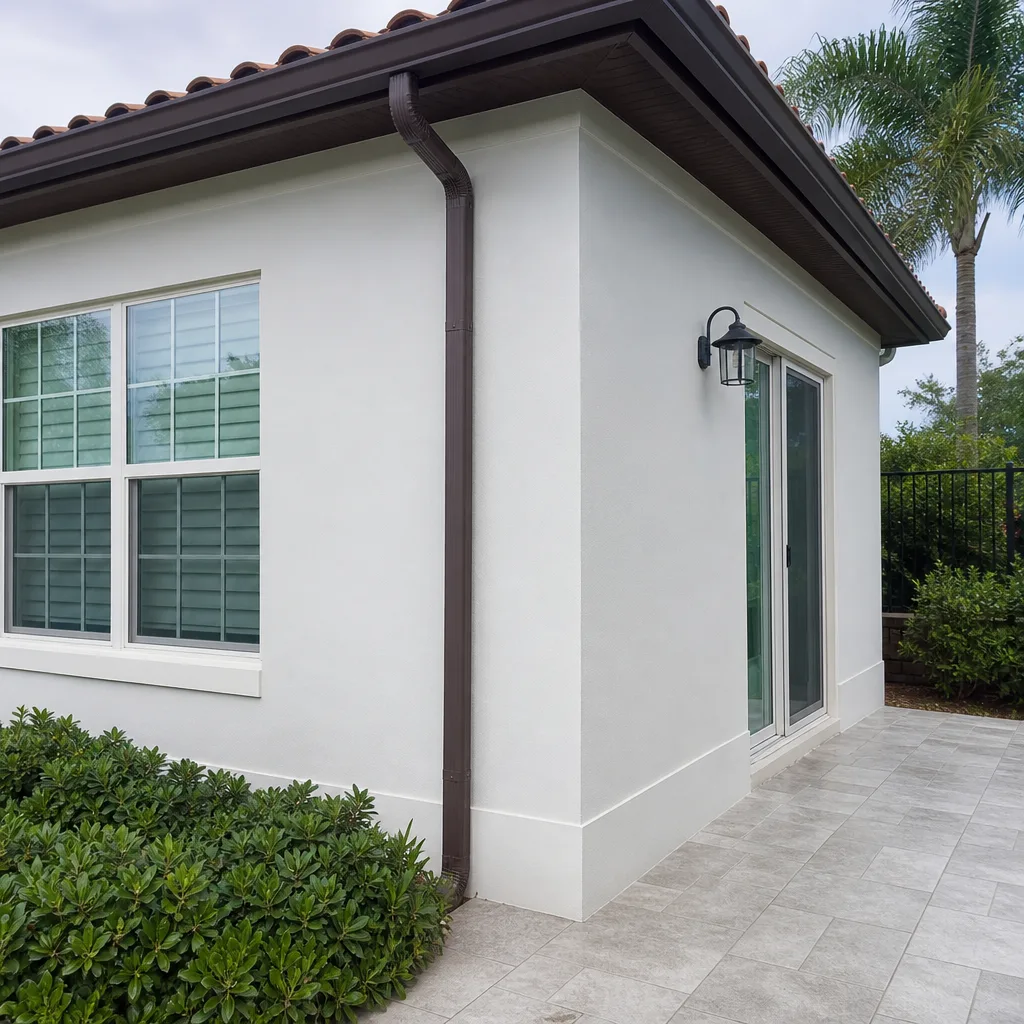
After a Boca Raton summer storm, patios, pool decks, and exterior walls may accumulate organic debris that stains or supports surface mold. Pressure washing or garden-hose rinsing of exterior concrete, pavers, or painted stucco is appropriate DIY work. The surface is designed for wetting, the area is open to air circulation, and there is no interior building assembly at risk. Document before-and-after photos. Do not apply this to soffits, fascia, or any area where water may enter the roofline or wall assembly.
Outside these three scenarios, the documentation requirement in your policy overrides the DIY option. Water in wall cavities, moisture in subflooring, smoke residues on structural surfaces, sewage contamination, or mold growth of any visible size - all require professional documentation to protect your claim.
What Professional Equipment Produces That Consumer Equipment Cannot
The equipment gap between consumer and professional restoration is not a matter of degree. It is categorical. Understanding what professional systems actually do helps explain why their output is admissible in claim disputes and consumer equipment output is not.
Low-Grain Refrigerant (LGR) Dehumidifiers
Consumer dehumidifiers, including units rated for basement use, typically extract moisture efficiently only when ambient relative humidity is below 60%. In a water-damaged Boca Raton home, where outdoor humidity regularly exceeds 75% and indoor conditions post-loss often sit at 80-90% RH, consumer units lose effectiveness precisely when you need it most. Professional LGR dehumidifiers - units from Dri-Eaz and Phoenix that we deploy on every job - use pre-cooling coils to drop air temperature before it reaches the refrigeration coil, achieving grain depression (the actual measure of moisture removal) that consumer units cannot reach. At 80 degrees and 70% RH, a Phoenix R200 might achieve 40 grains per pound; a consumer unit at the same conditions might achieve 65 grains, meaning it leaves significantly more moisture in the air and materials.
Thermal Imaging and Non-Invasive Moisture Detection
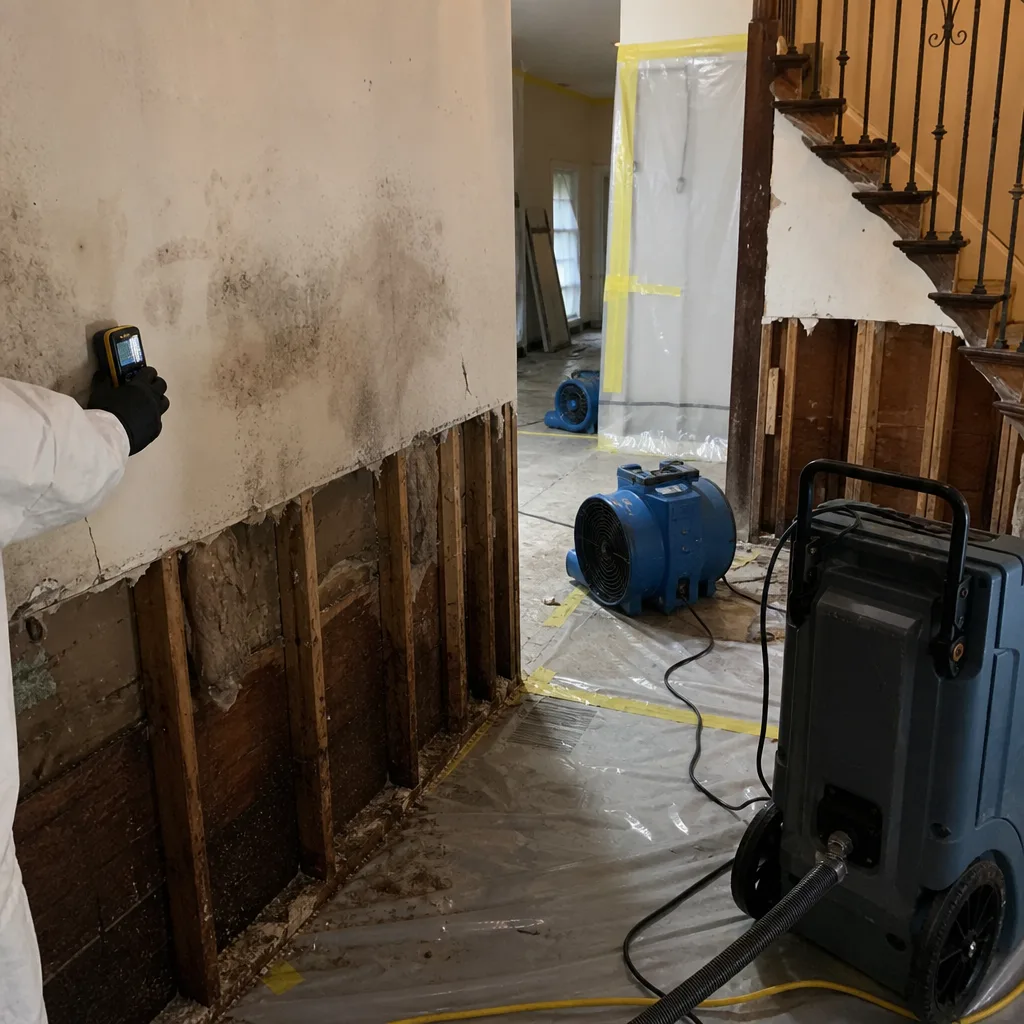
Water follows paths that are not visible. In Boca Raton’s concrete-slab construction, particularly in ranch-style homes from the 1970s and 1980s common west of Military Trail, water can migrate 20 feet from the visible damage along the slab surface. Thermal imaging cameras detect temperature differentials caused by evaporative cooling at wet surfaces, mapping moisture behind finished walls without destructive inspection. Consumer moisture meters have pins that penetrate surfaces and read only at the contact point. They cannot map a moisture field, and their readings are not calibrated to the material-specific scales (wood, drywall, concrete) that professional meters use. A pin meter reading “20” means nothing in a claim file without knowing the material scale and the reference standard for that material.
Air Movement and Vapor Pressure Differential
Professional air movers from XPOWER and B-Air are engineered to create laminar airflow across wet surfaces at velocities that accelerate evaporation without driving moisture deeper into materials. The psychrometric principle at work: evaporation rate depends on the vapor pressure differential between the wet surface and the air above it. Professional equipment is sized to the space and monitored with daily readings to maintain optimal differential. A box fan moves air but does not create the controlled conditions that produce documented drying. The daily moisture log we produce - showing relative humidity, specific humidity, temperature, and material moisture content at each reading - is what makes the drying defensible in a claim dispute. Consumer equipment cannot produce this log because it has no measurement capability and no protocol for recording.
Injectidry Systems for Hardwood and Specialty Drying
Boca Raton’s higher-end homes, particularly in neighborhoods like Royal Palm Yacht & Country Club and The Sanctuary, often feature wide-plank hardwood and custom millwork that requires specialty drying. Injectidry systems use vacuum panels and directed airflow through fluted subfloor channels to dry hardwood from below, preventing cupping and buckling that would require full replacement. No consumer equipment approximates this. The cost of replacing 2,000 square feet of stained walnut because it was dried improperly far exceeds any savings from skipping professional mitigation.
How to Build a DIY Mitigation Log That Supplements (Not Replaces) Professional Files
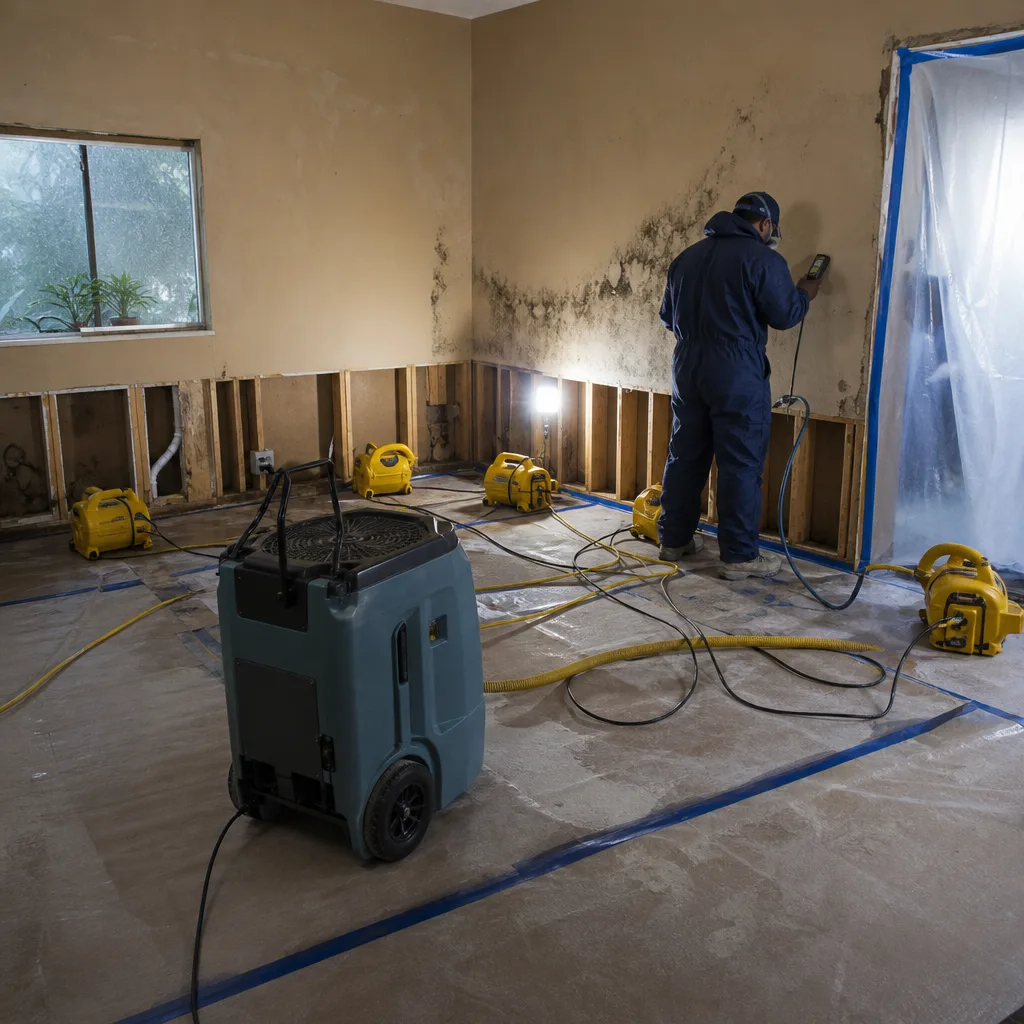
There are legitimate cases where professional response is delayed - a major storm event when all restoration companies are overwhelmed, a remote second home where discovery happens days after the loss, or a situation where a homeowner begins work before understanding the documentation requirement. In these cases, a DIY mitigation log can supplement the professional file rather than replace it, preserving some documentation value for the claim.
Here is how to build a log that an adjuster can actually use:
- Establish baseline conditions immediately. Photograph the affected area from multiple angles with a timestamp. Include a ruler or known object for scale. Note the source of water, the time you discovered it, and any steps already taken.
- Record equipment specifications. For every piece of equipment you deploy, photograph the manufacturer label showing model number and rated capacity. Note the CFM (cubic feet per minute) for air movers, the pint-per-day extraction rating for dehumidifiers, and the start/stop times for each unit.
- Take daily readings with a consumer moisture meter. Pin-type meters are available at hardware stores for $40-80. Take readings at the same locations daily, photograph the meter display with the reading visible, and note the material being tested. Understand that these readings are approximate - they establish a trend, not an absolute standard.
- Document environmental conditions. Note indoor temperature and humidity daily. A basic hygrometer costs $15. Record outdoor conditions from a weather service for context.
- Log all materials removed. Photograph every piece of carpet, pad, drywall, or insulation before it leaves the property. Note the dimensions and location of each removal. This establishes the scope of initial damage for the adjuster.
- Stop and call a professional when the situation exceeds the three scenarios above. The DIY log is a bridge, not a destination. Its purpose is to show good-faith effort during a gap in professional response, not to replace professional documentation.
When the professional arrives, provide the complete log. At Water Damage Restoration in Boca Raton, we incorporate homeowner documentation into our file when it is provided, using it to establish the timeline of loss and response. The key is that our documentation then takes over - calibrated readings, equipment logs, and the written scope that Haven Standard, Clause 1 requires before any work begins.
The True Cost Comparison: Mitigation Invoice vs. Reconstruction Claim
Most DIY vs. professional guides compare the cost of renting equipment against the cost of hiring a company. This comparison misses the actual financial risk, which is not the mitigation invoice but the reconstruction claim that follows.
Here is the structure as we have seen it play out in Boca Raton claim files since 2011:
Professional Path: Mitigation costs $3,200 for a typical kitchen water loss. Documentation is complete. The insurer pays the mitigation invoice and the $18,000 reconstruction claim without dispute. Total out-of-pocket to homeowner: deductible, typically $2,500.
DIY Path (Incomplete Documentation): Homeowner spends $400 on equipment rental and supplies. No moisture log exists. Secondary damage (mold, warped subfloor) develops. The insurer pays $0 on reconstruction, arguing that unverified drying caused the secondary damage. Homeowner pays $14,000 for mold remediation, subfloor replacement, and new cabinetry. Total out-of-pocket: $14,400 plus the deductible that was never applied to covered work.
The DIY path “saved” $2,800 on mitigation. It cost $11,900 in uncovered reconstruction. This is not a hypothetical. We have reviewed competitor estimates and insurer denials for homeowners who called us for a Free Second Opinion on Any Written Estimate - one of the services we provide at no charge - and the pattern is consistent. The documentation gap is the single largest preventable cause of claim disputes in water damage restoration.
There is a narrower cost comparison that is valid. For the three appropriate DIY scenarios above, the cost of supplies and equipment rental ($50-200) against the cost of a professional service call ($350-500 minimum) favors DIY. This is why we define those scenarios precisely. The error is applying that narrow savings to situations where documentation requirements make the true cost comparison radically different.
Haven Standard, Clause 1 - written price before work begins - exists precisely so homeowners can see the mitigation cost and make an informed comparison against their actual risk, not against a simplified rental-store price tag.
Boca Raton-Specific Climate and Code Factors
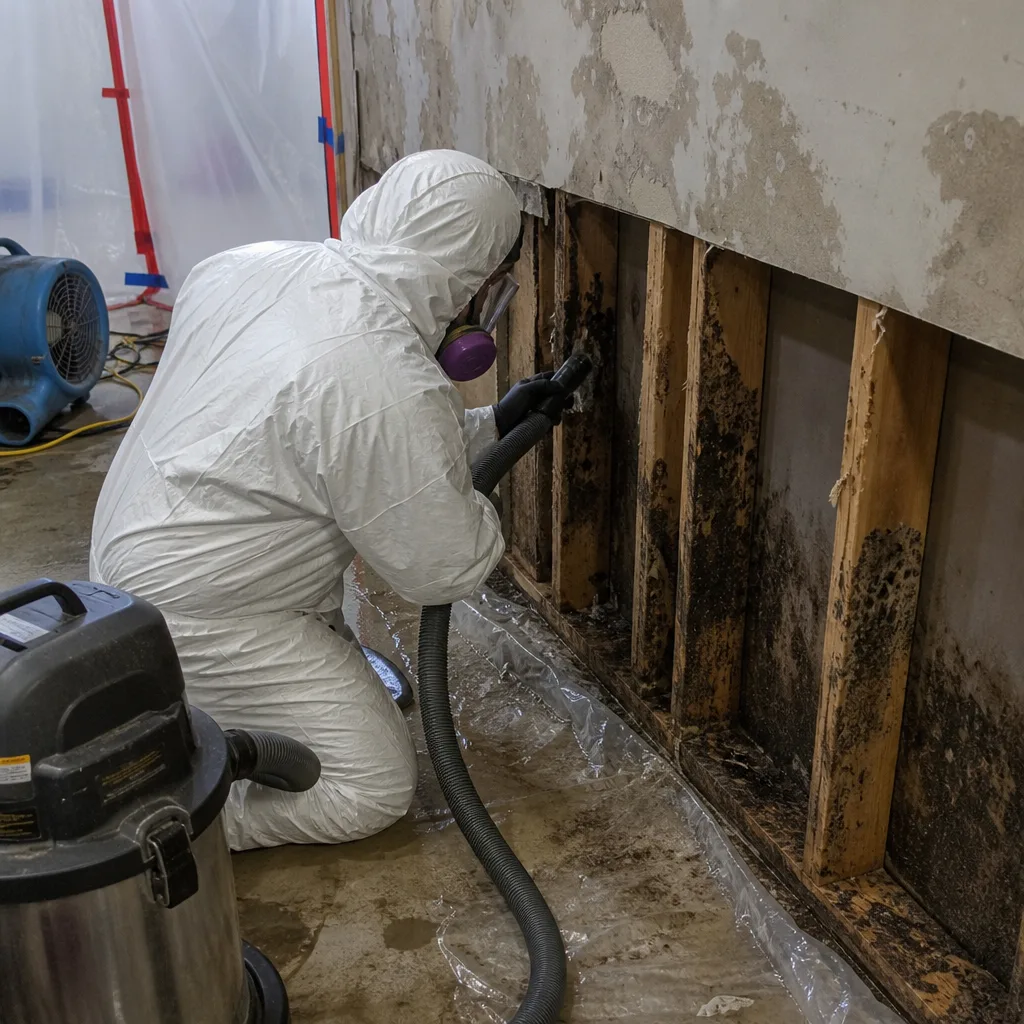
Boca Raton’s climate and building stock create conditions that push many seemingly minor water losses across the threshold where professional documentation is necessary, as detailed in our Seasonal Damage Restoration Care for Boca Raton: Year-Round Homeowner’s Guide.
Year-Round High Humidity
Boca Raton’s average annual relative humidity exceeds 72%, with summer months regularly above 80%. This means natural drying - opening windows, running household fans - often adds moisture rather than removing it. The psychrometric reality: drying requires a vapor pressure differential, and outdoor air in Boca Raton frequently has higher vapor pressure than indoor air in a water-damaged home. Professional dehumidification is not optional here; it is the only method that reliably creates drying conditions.
Concrete Slab Construction and Capillary Rise
Homes built from the 1960s through the 1990s across Boca Raton, particularly west of I-95, typically sit on concrete slabs with minimal moisture barriers. Water that reaches the slab edge - from irrigation overspray, poor grading, or interior leaks - can wick through the slab and into wall cavities via capillary action. This damage is invisible until mold appears or flooring fails. Thermal imaging and non-invasive moisture mapping are required to detect it. A homeowner with a wet-dry vac has no mechanism to identify or document this migration.
Florida Building Code and Mold Assessment Requirements
Under Florida law, mold assessment and remediation above 10 square feet must follow specific protocols, including documentation of containment and clearance testing. While homeowners can perform work on their own property, insurers increasingly require third-party documentation of mold remediation for claim payment. The Mold Remediation in Boca Raton process we follow includes written protocols, photo documentation, and clearance verification that satisfies both code and claim requirements.
Hurricane Season and Storm Surge Exposure
Boca Raton’s eastern neighborhoods, from Boca Raton Hills to the barrier island, face storm surge and wind-driven rain exposure that can compromise building envelopes in ways that are not immediately visible. Water intrusion through soffit vents, ridge vents, or compromised window flashing may travel significant distances before appearing as interior damage. Professional assessment with moisture mapping and invasive inspection (where appropriate) is necessary to define the full scope and document it for claim purposes.
Common Mistakes to Avoid
- Assuming “dry to the touch” means dry. Drywall can feel dry at 18% moisture content, well above the 12% threshold where mold growth is supported. Only calibrated meters document actual moisture content.
- Using bleach on mold. Bleach does not penetrate porous materials and can add moisture that worsens the problem. It also destroys evidence that a professional needs to assess growth extent.
- Running HVAC systems during active water damage. In Boca Raton’s humid climate, air conditioning can spread moisture and mold spores throughout the duct system. Shut down HVAC until the moisture source is controlled and the system is inspected.
- Failing to document before cleanup. Insurers need to see the original condition to validate the scope of loss. Photograph everything before moving or removing anything.
- Delaying professional assessment for “minor” water in older homes. Homes near Old Floresta or in the historic district may have plaster and lath, multiple renovation layers, or compromised waterproofing that amplifies seemingly small losses.
- Accepting a verbal estimate or scope. Haven Standard, Clause 1 exists because verbal agreements in restoration lead to disputes. If a company will not put the price and scope in writing before work starts, that is a signal, not a preference.
- Discarding damaged materials before adjuster inspection. Policy language typically requires the insurer to inspect damaged property. Set aside removed materials in a designated area for photographic documentation.
When to Call a Professional
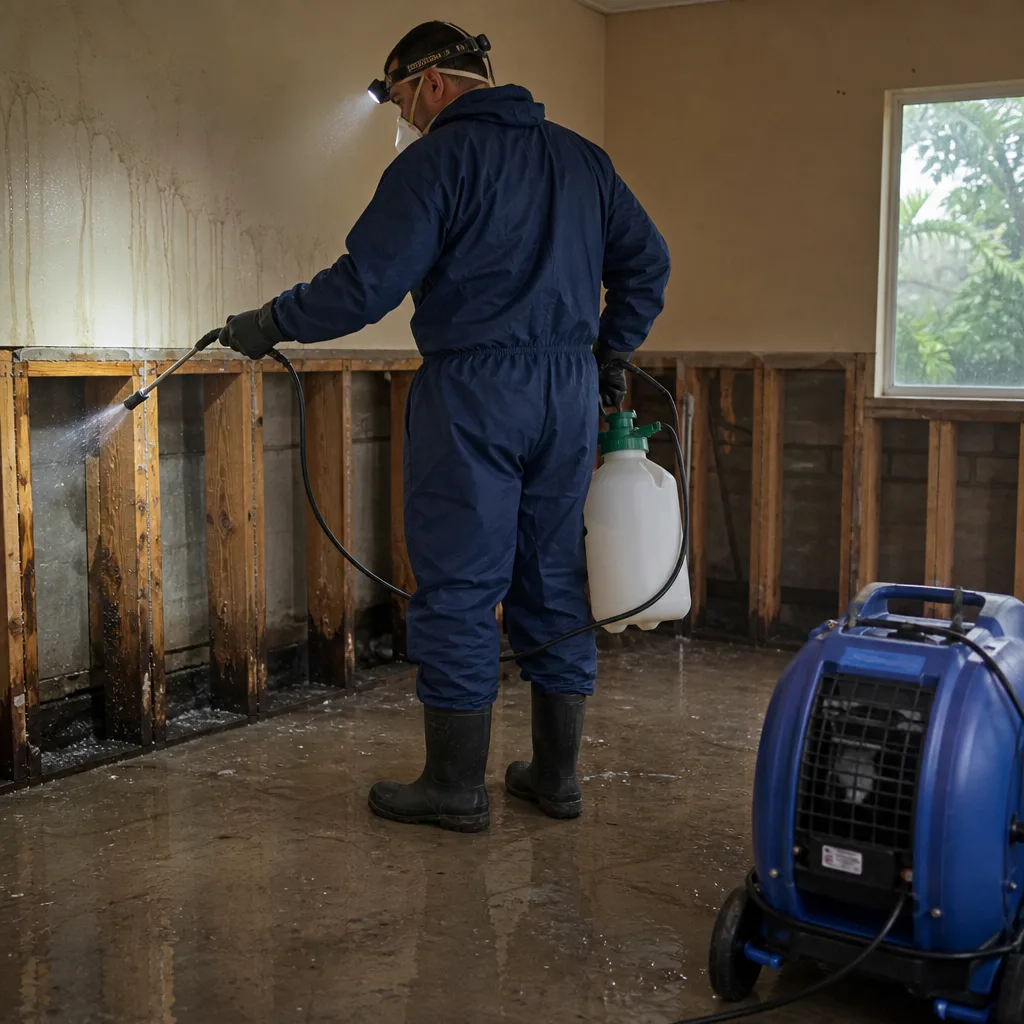
Call a professional restoration company when water has penetrated beyond the surface of finish materials, when mold is visible or suspected, when the water source is Category 2 (gray water) or Category 3 (black water/sewage), when fire or smoke has affected structural surfaces, or when any damage involves your insurance claim. In Boca Raton’s climate, the threshold for professional response is lower than in drier regions because ambient humidity works against natural drying.
DryMark Restoration Boca Raton offers free estimates in Boca Raton - call (754) 247-1426. Every estimate includes a written scope and price before any work begins, documented to IICRC, RIA, and IFA standards, with a photo record on every visit and the 365-Day Done Right Promise backed by The Haven Standard. We also provide a Free Second Opinion on any competitor’s written estimate at no charge.
Frequently Asked Questions
Your policy will likely reimburse documented expenses for appropriate DIY mitigation in the three scenarios defined above, but it will not cover secondary damage that results from incomplete drying. The larger risk is that DIY mitigation without professional documentation may void your reconstruction claim entirely if the insurer disputes whether the initial drying was adequate. Call (754) 247-1426 for a free estimate - our written scope gives you the documentation baseline your policy requires.
Live person answers every call to DryMark Restoration Boca Raton, 24 hours a day, 7 days a week - no voicemail trees, no next-business-day callbacks while water is still moving. Emergency response times in Boca Raton typically range from 45 minutes to 2 hours depending on traffic and storm conditions. For non-emergency assessments, we schedule within 24 hours. The speed of response matters because water damage compounds geometrically in the first 48 hours.
Visible mold growth of any size in a Boca Raton home warrants professional assessment because the humid climate supports rapid expansion. “Cleaning” surface mold without addressing the moisture source and verifying clearance is temporary at best and claim-jeopardizing at worst. Florida’s mold assessment requirements apply to growth above 10 square feet. We follow IICRC S520 standards for mold remediation, with containment, negative air pressure, and post-remediation verification that documents the space as restored to normal fungal ecology.
At DryMark Restoration Boca Raton, we coordinate directly with your adjuster, providing the documented photo record, daily moisture logs, and written scope that adjusters need to approve claims efficiently. You remain the policyholder and must authorize all work, but our documentation-first approach means we speak the same language as your adjuster. This coordination is included as standard service, never an upsell.
Typical residential water mitigation in Boca Raton ranges from $2,800 to $5,500 for standard losses, with reconstruction additional depending on finish materials and scope. Every job is quoted in writing before work begins under Haven Standard, Clause 1. We do not provide ballpark figures that change once the crew is inside. For an exact price on your specific situation, call (754) 247-1426 - estimates are free and include a documented assessment.
You can, but you will likely have compromised your claim by the time mold appears. The 48-72 hour window for documented drying is when coverage is won or lost. If you begin DIY and conditions worsen, call us immediately with your DIY log. We can incorporate your documentation and establish professional protocols, but the earlier we are involved, the stronger your file. The Free Second Opinion on Any Written Estimate is available even if you started with another company or your own efforts.
From DryMark Restoration Boca Raton, you receive: a written scope and price before work begins (Haven Standard, Clause 1); a photo record on every visit showing conditions and progress; daily moisture logs with psychrometric data, material moisture readings, and equipment deployment records; and a signed 365-Day Done Right Promise under The Haven Standard. This documentation package is what turns your restoration invoice into a claim your insurer pays without dispute.
The Bottom Line
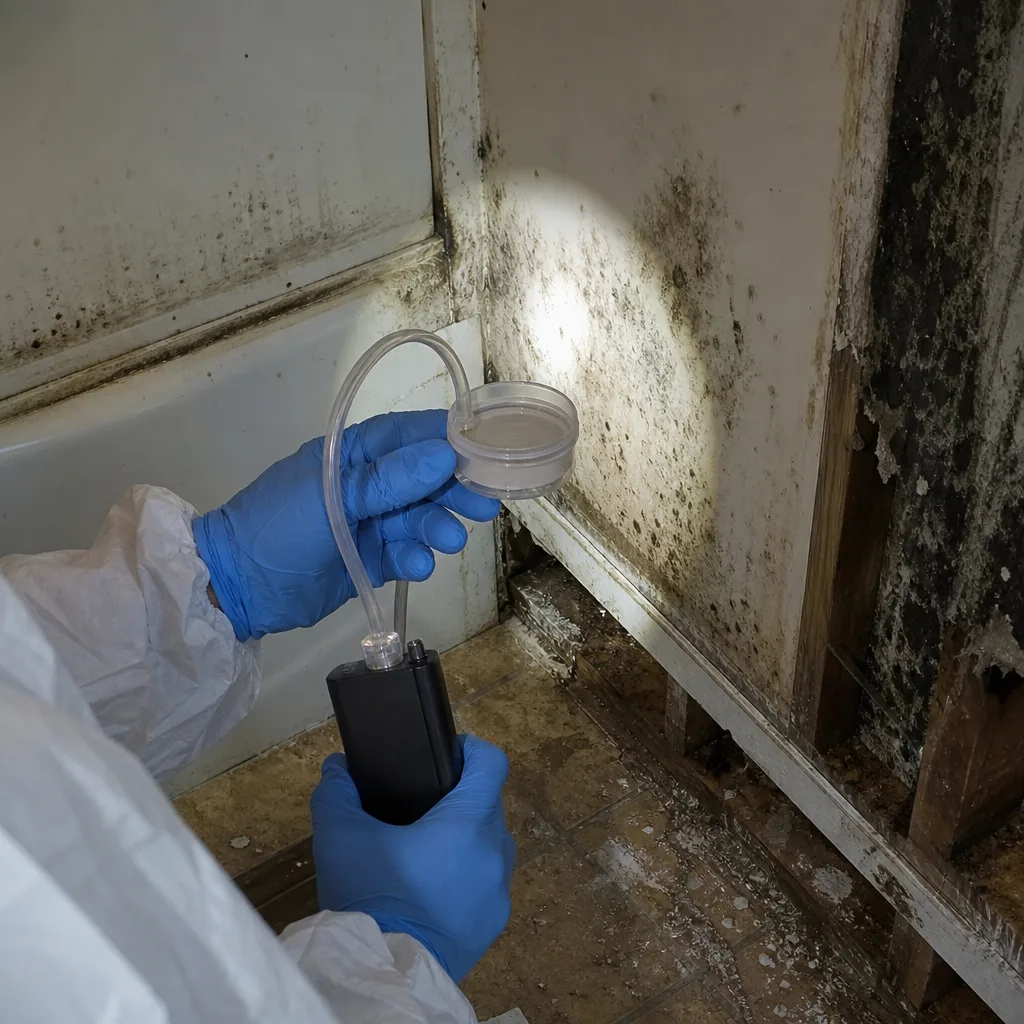
The DIY vs. professional question in Boca Raton is not about whether you are capable of removing water or running a fan. It is about whether you can produce the documentation that your insurance policy requires to pay your claim. Three scenarios - surface spills under 10 square feet, single-fixture overflows with no wall penetration, and exterior surface rinsing - are appropriate for DIY response. Everything else requires professional documentation: calibrated moisture readings, equipment logs, photo records, and written scopes that satisfy the “Duties After Loss” clause in standard Florida policies. The true cost of DIY is not the rental invoice you avoid; it is the reconstruction claim you may lose. At Fire & Smoke Damage Restoration in Boca Raton and across all our services, we build the file that protects your coverage. Call (754) 247-1426 for a free estimate with a written price before any work begins.
Written by Alicia Brennan, Owner at DryMark Restoration Boca Raton, serving Boca Raton since 2011.